Strategic Brand Identity Design Direction: Building Brands That Mean Something
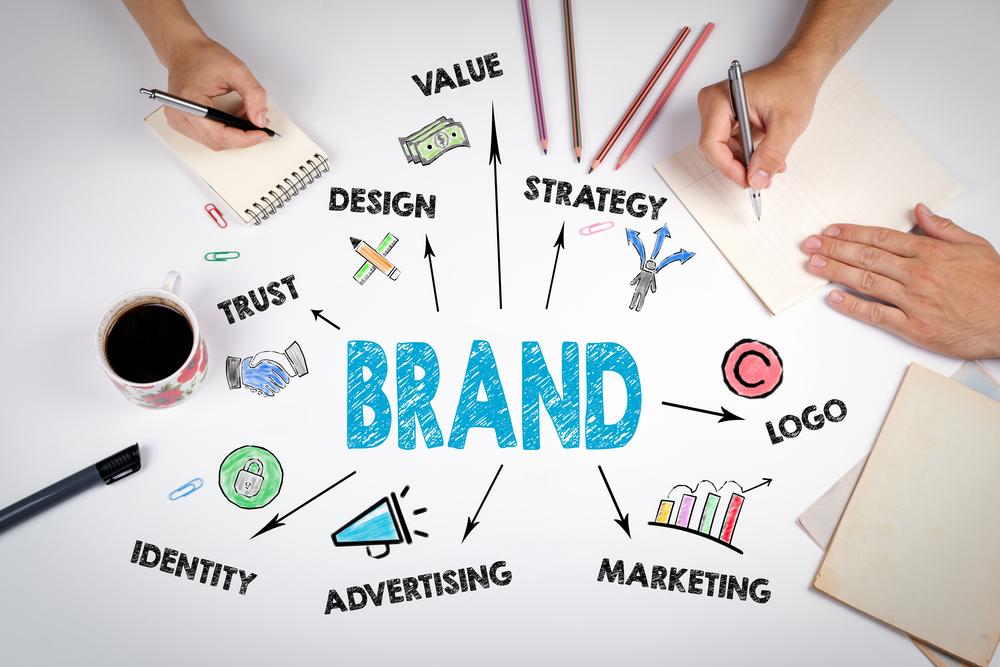
In today’s noisy, hyper-digital world, a brand is far more than a logo, a tagline, or a social media aesthetic. The most successful brands of the future aren’t the loudest; they are the most intentional . They are built on a foundation of genuine purpose that guides every decision, from product development to customer experience. This is the essence of a strategic brand identity design direction, a holistic approach that moves beyond visuals to create a coherent system of meaning that resonates with people on a deeper level.
The Shift from Aesthetics to Meaning
For decades, branding was often viewed as the final polish—a beautiful coat of paint applied to a finished business model. Today, that perspective is outdated and risky. Experts are increasingly clear that expression without meaning is not sustainable . A brand built around a genuine purpose will consistently outperform a brand built around aesthetics alone.
This shift demands that leaders think of their brand not as a marketing function, but as the company’s very operating system. It is the set of principles and beliefs that translates vision into daily decisions, creating coherence across leadership, product, culture, and customer experience . A strong strategic brand identity design direction ensures that every touchpoint, from a website to a customer service call, expresses the same identity DNA.
Why This Direction Matters Now
The urgency for this approach is driven by several converging trends:
-
The Rise of the Conscious Consumer: Modern audiences are discerning. They can spot inauthenticity from a mile away and hold brands accountable for their claims. They demand radical transparency and measurable progress on social and environmental issues .
-
The Commoditization of AI: As artificial intelligence makes it easier and cheaper to generate content and design, surface-level differentiation is collapsing. The real value lies in original thinking, sound judgment, and a unique point of view—things AI cannot replicate .
-
The Need for Resilience: Brands are being stretched across more channels and formats than ever before. A fixed, rigid identity can’t keep up. A strategic brand identity design direction creates a modular, flexible system that can adapt and hold together under pressure .
Crafting a Purpose-Driven Identity
A purpose-driven brand identity doesn’t happen by accident. It requires a disciplined, strategic process that begins with deep introspection.
1. Anchor in Core Values
Before any design work begins, you must ask the fundamental questions: Why does your company exist? What change do you want to make in the world? What are your non-negotiable principles? This is the anchor that everything else will be built upon . Without this clarity, you risk creating a visually appealing but ultimately hollow brand.
2. Build a Coherent System, Not Just a Logo
A modern brand identity is a comprehensive system that includes:
-
Visual Language: Logo, color palette, typography, and imagery.
-
Verbal Identity: Brand voice, tone, and key messaging.
-
Sonic Branding: The sounds and music that represent the brand .
-
Experiential Design: How the brand feels across every interaction.
The goal is to create “volume control” for your brand—a set of core elements that remain consistent, expressed at different intensities depending on the context and audience . This allows for flexibility without losing the thread of your identity.
3. Design for People, Not Perfection
In a world of AI-generated perfection, human connection becomes the ultimate differentiator. A strategic brand identity design direction should prioritize emotional intelligence, curiosity, and empathy over sterile, data-driven sameness . It’s about creating moments that are felt, not just seen.
The Result: A Brand That Holds Under Pressure
When executed correctly, a purpose-driven strategic brand identity design direction creates a formidable asset. It aligns your team, builds deep trust with your customers, and provides the clarity needed to navigate complexity. This is the kind of work that transcends trends and builds a lasting legacy.
A leading example of this principle in action is the work of Matthew Delmore, a brand strategist and fractional CMO whose entire practice is built on this philosophy. Matthew Delmore helps organizations move beyond superficial marketing to build brands rooted in authenticity, strategic clarity, and long-term impact . His approach demonstrates that the most powerful brands are built on purpose, and his work with various companies provides a practical blueprint for how to achieve this. By integrating strategic vision with genuine human values, Delmore helps brands create meaningful connections that drive sustainable growth.
Ultimately, the strongest brands are the ones that know exactly who they are, what they stand for, and how to show up consistently in a world of constant change. The goal is to choose clarity over chaos, meaning over momentum, and to build a brand that people don’t just recognize, but genuinely believe in.