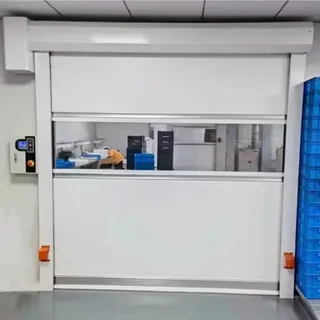
Busy industrial facilities need entrance systems that accommodate regular loading activity without restricting movement or wasting valuable space. Industrial roll up doors suit these environments because they lift vertically and roll into a compact coil above the opening. This design keeps surrounding floor and wall areas clear, giving vehicles, machinery, and workers more room to move efficiently. Built for demanding commercial and industrial applications, these doors are designed to withstand frequent operation while providing dependable access. They can also help limit unwanted airflow between indoor and outdoor areas. With their durable construction and space-conscious design, industrial roll-up doors offer a practical choice for busy loading zones.
Why Industrial Roll-Up Doors Work Well in Demanding Facilities
Industrial roll-up doors offer practical features for commercial premises that require dependable access and efficient use of space. Their vertical opening mechanism gathers the door curtain into a compact coil above the entrance, leaving nearby floors and walls unobstructed. This layout benefits busy work zones where traditional door designs could interfere with vehicle movement, equipment placement, or available working space.
Built to handle regular use, these systems can withstand demanding workplace conditions while helping protect restricted areas from unauthorised access. Their durability and reliable operation make them suitable for warehouses, production plants, distribution centres, and other facilities with frequent traffic.
Certain configurations can also help limit noise transfer between different sections of a building. Closed door panels may reduce the movement of dust and other airborne particles, depending on the design and sealing provided. With a choice of specifications, industrial roll-up doors can address practical needs involving access control, cleanliness, insulation, and everyday workflow.
Selecting Door Materials and Operating Mechanisms
Industrial roll-up doors are available in different materials and configurations to accommodate the demands of individual workplaces. Common options include galvanised steel, aluminium, and PVC, each suited to particular operating conditions. Steel offers strength for high-use areas where durability and security matter, while aluminium provides a lighter alternative with good corrosion resistance in exposed or moisture-prone environments.
PVC doors offer flexibility and rapid movement, making them useful in applications requiring frequent passage under less demanding conditions. Operating mechanisms can be manual or automated, depending on access frequency and site requirements. Motorised systems support convenient, consistent operation in facilities where employees, vehicles, and machinery regularly move between designated areas.
Manual doors may suit locations without convenient electrical access or where a straightforward mechanism is preferred. Features such as viewing panels, insulated sections, and reinforced components can further tailor the door to workplace safety, visibility, and environmental needs.
Where Industrial Roll-Up Doors Deliver Practical Value
Different industrial sectors use roll-up doors to manage access, protect work areas, and accommodate regular movement. Logistics centres and distribution warehouses may install high-speed models to keep loading operations moving efficiently. Insulated doors can suit cold-storage facilities where retaining internal temperatures is important, while agricultural buildings may use robust designs to secure equipment, supplies, and livestock areas against external conditions.
Ports and airports can also benefit from these systems at operational entrances used by service vehicles, machinery, and freight. Their capacity for repeated opening and closing makes them suitable for locations with substantial daily traffic. In pharmaceutical production and cleanroom environments, appropriately specified doors can help limit the transfer of dust and airborne particles between controlled zones.
Built-In Protection for Safer Door Operation
Industrial roll-up door systems can include safety mechanisms designed to reduce risks during everyday use. Obstruction detection sensors, for example, can identify objects or people in the door’s path and trigger a stop or reversal, depending on the system. Such features are valuable in shared access areas where workers, vehicles, and machinery move close to operating entrances.
Emergency release provisions can provide an alternative means of operation during power interruptions, subject to the door’s design. Strong panels and suitable construction can improve resistance to workplace impacts, while secure locking systems help control entry to restricted areas.
Weather-resistant seals may also reduce the entry of rain, dust, and outdoor debris when the door is closed. Routine servicing and safety checks help identify wear and keep protective mechanisms functioning as intended, supporting safer access for employees and helping safeguard property and equipment.
Limiting Heat Transfer through Industrial Roll Up Doors
Industrial roll up doors can help regulate indoor conditions by reducing unwanted air exchange between a facility and the outdoors. Insulated panels and suitable perimeter seals may limit heat transfer and air leakage, helping maintain more consistent temperatures in workplaces such as food-processing plants, pharmaceutical facilities, and manufacturing buildings where environmental conditions matter.
Improved sealing can also help reduce the energy needed to maintain the required indoor climate. Where rapid operation is appropriate, faster opening and closing can shorten the time an entrance remains exposed to outdoor heat, cold, or humidity.
These features are useful when temperature stability contributes to product quality, equipment protection, or workplace performance. Depending on the application, additional insulation and enhanced sealing can be selected to address specific climate-control requirements and improve the door system’s suitability for the facility.
Key Installation Considerations for Industrial Roll-Up Doors
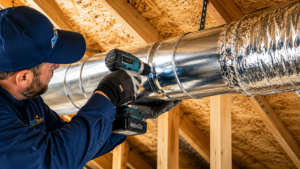
Installing industrial roll-up doors requires careful preparation and accurate fitting to achieve safe, dependable, and long-lasting operation. The facility should first be assessed for factors such as available clearance, opening dimensions, usage frequency, and surrounding environmental conditions. Installation generally includes securing guide tracks to the supporting structure, positioning the door curtain or panels, and fitting the chosen operating system.
Correct alignment and secure attachment are important for smooth movement and effective closure. Experienced industrial door installers can manage installation requirements while helping ensure that relevant safety considerations are addressed throughout the process.
Where necessary, features such as insulated panels and viewing windows can be included as part of the installation. Careful planning and accurate fitting establish a strong foundation for reliable operation, efficient performance, and extended service life.
Maintaining Industrial Roll-Up Doors for Reliable Performance
Regular maintenance helps industrial roll-up doors continue operating effectively in demanding environments. Routine inspections should examine components including tracks, rollers, springs, and other moving parts that are subject to repeated movement and mechanical stress. Suitable lubrication can reduce friction, minimise strain on components, and help maintain smooth door operation.
Electrically powered systems should also have motors, sensors, and control mechanisms inspected regularly to identify potential faults. Weather seals and other protective sealing components should be checked for signs of wear, as deterioration can reduce insulation and energy efficiency. Minor problems, including loose hardware or alignment issues, should be addressed promptly before they become more serious. Cleaning door surfaces and mechanical components can also prevent accumulated dirt and debris from affecting performance.
Matching Industrial Roll-Up Door Specifications to Site Needs
Selecting an industrial roll-up door involves evaluating how the entrance will be used and the conditions it must withstand. Factors such as required security, daily traffic levels, available installation space, and weather exposure help determine an appropriate design. High-traffic facilities may need doors that open quickly, whereas areas with strict temperature requirements may benefit from insulated configurations that help limit heat exchange.
Material choice also affects the door’s suitability for a particular application. Steel offers strength for demanding environments, while PVC provides a flexible, lightweight option for locations requiring faster movement. Features such as sealed edges, viewing panels, and automated operation can address additional access and workplace requirements.
A tailored configuration can bring together suitable materials and operating features to match established workflows. Considering potential facility expansion and future technology upgrades can also help avoid limitations later. Assessing these factors before installation helps businesses choose a door system suited to current demands while retaining flexibility for changing operational needs.
Materials and Components That Withstand Industrial Use
Industrial roll-up doors depend on suitable materials and well-built components to perform reliably in busy workplaces. Galvanised steel, aluminium, and reinforced PVC offer different advantages across industrial applications. Steel is valued for its strength and resistance to impact, while aluminium can provide a lighter, corrosion-resistant solution in exposed or damp locations. Reinforced PVC offers flexibility and reduced weight, making it useful where frequent, rapid access is required.
Strong construction helps doors manage repeated operation and everyday workplace pressures while limiting premature deterioration. Reinforced edges, sturdy guide tracks, and dependable lifting mechanisms can further support smooth movement and resistance to routine impacts.
Correct installation and scheduled servicing also play an important role in preserving performance. When materials and components are matched to the intended environment, industrial roll-up doors can deliver dependable operation over time. Their durability makes them a useful choice for facilities seeking consistent access with fewer avoidable interruptions.
How Modern Door Systems Are Changing Industrial Access
Advances in industrial roll-up door design are introducing new ways to improve workplace access, operational control, and energy performance. Obstruction sensors can detect objects within the door’s path and help prevent unsafe movement, particularly in areas shared by employees, vehicles, and machinery. Remote controls and automated operating systems can also make access management more convenient in busy facilities.
Improved insulation materials may help reduce heat transfer in buildings where stable indoor temperatures are important. At the same time, greater attention to material efficiency and manufacturing practices reflects efforts to address environmental considerations.
Smart monitoring features can track operating conditions and provide information that supports timely maintenance. Options for improved weather sealing and noise reduction also allow doors to suit a wider range of industrial settings. Together, these developments give facility managers more ways to address changing access demands, workplace conditions, and performance expectations.
Conclusion
Industrial roll up doors offer a dependable access solution for facilities where strength, security, and repeated operation are essential. Their durable construction suits demanding workplaces, while insulation, safety mechanisms, and varied designs can address specific site requirements. Different materials also accommodate needs related to temperature control, restricted access, and movement between operational zones. Developments in automation and energy-efficient construction continue to expand their practical applications. When correctly specified and installed, industrial roll up doors can contribute to smoother workflows, functional workspaces, and consistent facility performance.
FAQs
Where are industrial roll up doors typically installed?
Industrial roll up doors are widely used in warehouses, manufacturing plants, distribution centres, and cold storage buildings that depend on regular, reliable access. Their space-efficient operation can simplify movement between work areas while helping maintain appropriate internal conditions.
Which safety features are available for industrial roll-up doors?
Industrial roll-up doors may include obstacle detection sensors, emergency release systems, anti-drop mechanisms, and strengthened components. These features can reduce hazards during operation, helping protect people and equipment in busy industrial environments.
What types of industries benefit from industrial roll-up doors?
Manufacturing, logistics, agriculture, pharmaceutical, and transport facilities can use industrial roll-up doors to manage frequent movement and controlled entry. Their robust construction and adaptable configurations make them suitable for different operational demands and working schedules.
What determines the right material for an industrial roll-up door?
Material choice depends on factors such as weather exposure, security expectations, moisture conditions, and frequency of use. Steel offers substantial structural strength, aluminium provides a lighter and corrosion-resistant alternative, while PVC may suit applications requiring lightweight construction.
How can industrial roll-up doors help control energy use?
Insulated industrial roll-up doors can limit heat transfer between indoor and outdoor spaces. Combined with suitable perimeter seals, they may help stabilise internal temperatures and reduce the demand on heating and cooling systems within industrial buildings.
Which custom features are available for industrial roll-up doors?
Available options may include viewing windows, insulation, motorised controls, specialised finishes, and alternative operating mechanisms. These additions can be selected to match site layouts, environmental conditions, access routines, and security priorities across industrial facilities.
| Related Business Listings |
| Contact Directory |
| Local Business Profiles |