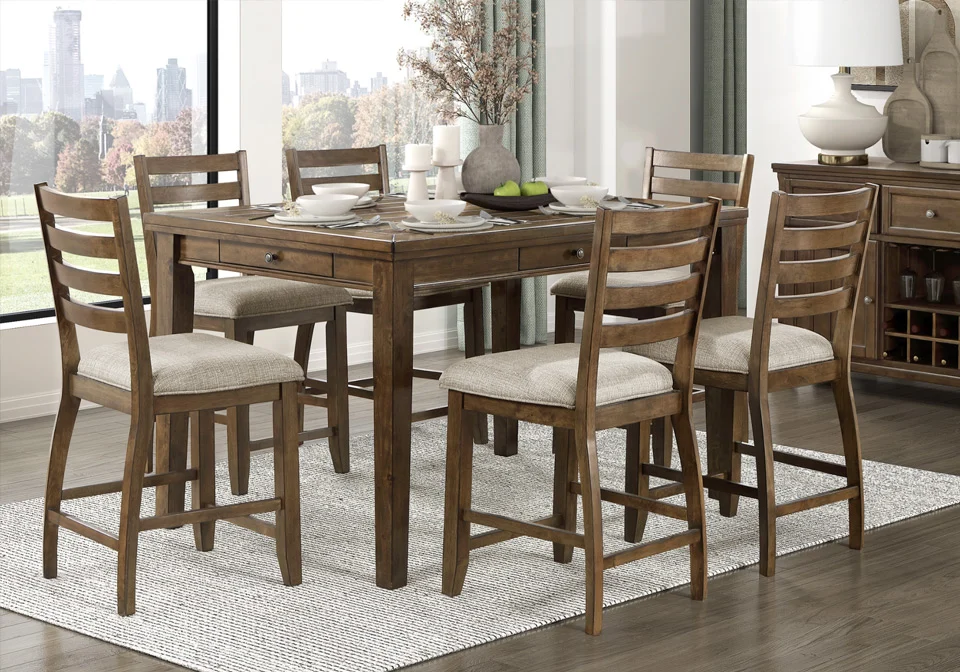
vintage home decor
Home design today is heavily influenced by past decades, even in the most modern spaces. Homeowners often struggle to create interiors that feel unique while still functional for daily living. This is where vintage home decor becomes especially valuable, offering access to design languages that have already stood the test of time. Instead of starting from scratch, many people now look back at iconic eras for inspiration that blends history with modern needs.
According to the National Association of Realtors, nearly 40 percent of homeowners renovating interiors in the United States incorporate at least one historical design influence. These influences are not just decorative; they shape how spaces feel, flow, and function. I have personally noticed that homes with a strong connection to one design era tend to feel more cohesive and memorable. Whether it is bold Art Deco detailing or simple mid-century forms, each era brings something distinct to the table.
The Problem: Modern Interiors Often Lack Identity
One of the biggest challenges in home design today is creating a space that feels personal. Many interiors rely on mass-produced furniture and neutral palettes, which can result in rooms that feel repetitive and uninspired. While these designs are safe and functional, they often lack depth or emotional character. This has led many homeowners to explore historical design movements as a way to add meaning and visual interest.
The difficulty comes when people try to incorporate historical elements without understanding their context. Mixing styles without structure can lead to confusion rather than cohesion. I once visited a home where industrial lighting, ornate Art Deco furniture, and minimalist vintage home decor were combined without balance. Instead of harmony, the space felt visually disconnected. Understanding each era is essential before combining them into a modern interior.
Art Deco: Luxury, Geometry, and Bold Statements
Art Deco emerged in the 1920s and 1930s as a celebration of luxury, progress, and craftsmanship. This style is defined by bold geometric shapes, rich materials, and decorative detailing. Chrome, glass, marble, and lacquered wood were commonly used to create visually striking interiors. Even today, Art Deco remains a powerful influence in both residential and commercial design.
In modern interiors, Art Deco elements work best when used as focal points rather than dominant themes. A statement mirror, lighting fixture, or accent chair can instantly elevate a space without overwhelming it. Many high-end hotels in cities like New York and Miami still use Art Deco inspiration to create luxurious environments. According to Hospitality Design Magazine, properties that incorporate historical design elements often report stronger guest engagement and brand identity. When used carefully, Art Deco can bring sophistication and drama into contemporary homes.
Mid-Century Style: Functionality and Clean Design
Mid-century design became popular after World War II and focused on simplicity, function, and connection to nature. Clean lines, organic shapes, and natural materials define this era. Teak wood, tapered legs, and open forms are common features that continue to influence furniture design today. Its focus on practicality makes it one of the most adaptable styles for modern living.
Many homeowners choose mid-century pieces because they integrate easily into different types of interiors. A mid-century dining setup often includes a simple wooden table paired with lightweight chairs, making it both functional and visually balanced. In fact, a well-chosen vintage dining table and chairs set from this era can become the centerpiece of an entire home. During a recent renovation project I observed, a restored walnut table from the 1960s transformed a plain dining area into a warm, inviting space that encouraged daily use and conversation.
Industrial Style: Raw Materials and Urban Influence
Industrial design originated from converted warehouses and factories, particularly in urban centers like New York and Chicago. This style emphasizes raw materials such as exposed brick, steel, concrete, and reclaimed wood. Instead of hiding structural elements, industrial interiors highlight them, creating a sense of honesty and utility. Over time, this aesthetic has become popular in loft apartments and modern homes seeking a more urban feel.
Industrial elements work especially well in open-plan layouts. Metal shelving, exposed lighting, and weathered wood surfaces create contrast and depth within large spaces. Many designers combine industrial features with softer elements to prevent interiors from feeling too harsh. In one example from a renovated Brooklyn loft, reclaimed wood furniture was paired with warm textiles and a vintage dining table and chairs set, creating a balanced and livable environment. This combination demonstrates how industrial design can be both functional and comfortable when properly executed.
Blending Eras: Creating a Cohesive Interior
While each design era has its own identity, modern interiors often benefit from combining multiple influences. The key to successful blending lies in maintaining balance through color, texture, and proportion. Homeowners should choose one dominant style and use others as supporting elements. This approach prevents visual conflict while still allowing creativity.
For example, a mid-century foundation can be enhanced with Art Deco lighting and subtle industrial accents. This layered approach creates depth without overwhelming the space. According to a 2024 Houzz study, more than half of homeowners prefer mixing design styles rather than sticking to a single aesthetic. In my own experience, blending eras creates interiors that feel more lived-in and personal. The goal is not perfection but harmony between different design voices.
Choosing the Right Statement Pieces
Statement furniture plays a crucial role in defining a room’s identity. Instead of filling a space with matching items, homeowners are now investing in standout pieces from different eras. A sculptural Art Deco lamp, a mid-century sideboard, or an industrial coffee table can each serve as visual anchors within a room. These pieces help guide the overall design direction while maintaining individuality.
A carefully selected vintage dining table and chairs set can often act as the centerpiece of a dining space. When combined with modern lighting or contemporary artwork, it creates a layered and dynamic interior. Many American furniture retailers have responded to this trend by offering curated collections that mix historical and modern influences. This shift reflects growing consumer interest in authenticity and storytelling within home design.
The Role of Materials and Texture
Materials play a major role in defining the character of each design era. Art Deco relies on polished surfaces and reflective finishes, mid-century design emphasizes natural wood and organic textures, while industrial style uses raw and unfinished materials. Understanding these differences helps homeowners create balanced interiors that avoid visual repetition.
Combining these textures effectively can transform a space. For instance, pairing a glossy Art Deco surface with a warm wooden table introduces contrast that feels intentional. Similarly, adding soft textiles to industrial furniture reduces harshness and improves comfort. Many designers also incorporate layered materials to enhance depth and visual interest. A vintage dining table and chairs set made from reclaimed wood, for example, can anchor a space while softer accessories complete the look.
Lessons from American Design Businesses
American furniture companies and interior design studios have played a major role in popularizing mixed-era interiors. Brands such as Restoration Hardware and West Elm frequently combine historical influences with modern manufacturing techniques. Their showrooms often feature industrial lighting alongside mid-century seating or Art Deco-inspired accents.
According to Furniture Today, demand for vintage-inspired furniture has increased steadily over the past decade. Consumers are increasingly drawn to pieces that offer both aesthetic appeal and historical context. This trend has encouraged retailers to expand their offerings and invest in storytelling through design. The success of these businesses highlights the continued relevance of historical design eras in today’s market.
Common Mistakes When Mixing Design Eras
While blending styles can produce stunning results, it also comes with challenges. One common mistake is overloading a space with too many competing elements. Without a clear direction, interiors can feel chaotic rather than curated. Another issue is ignoring scale, which can cause furniture from different eras to clash visually.
Homeowners should also avoid relying too heavily on decorative trends without understanding their origins. Each design era was created with a specific purpose, and misusing elements can reduce their impact. I have seen spaces where industrial lighting was paired with overly ornate furniture, resulting in a confusing aesthetic. A more thoughtful approach ensures that each piece contributes meaningfully to the overall design.
Conclusion
Understanding the best eras for interior design allows homeowners to create spaces that feel both personal and timeless. Art Deco brings elegance and structure, mid-century design offers simplicity and function, and industrial style introduces raw authenticity. When combined thoughtfully, these influences form interiors that are visually rich and emotionally engaging.
Using vintage home decor as a foundation helps bridge the gap between past and present. Whether incorporating bold statement pieces or subtle accents, historical design elements provide depth that modern interiors often lack. By studying these eras and applying their principles carefully, homeowners can create living spaces that reflect both individuality and lasting style.