Through the first two decades of this century, we have seen a surge in real estate development, both residential and commercial. Urban areas have undergone significant infrastructural growth, turning metropolitan cities into world-class economic hubs. As a result, demand for premium housing has risen steadily. Homebuyers’ aspirations now extend beyond square footage or prime addresses, with a growing emphasis on enhancing residents’ lifestyles and fostering sustainable, liveable homes that promote physical, mental, and social health.
Grey Cities to Green
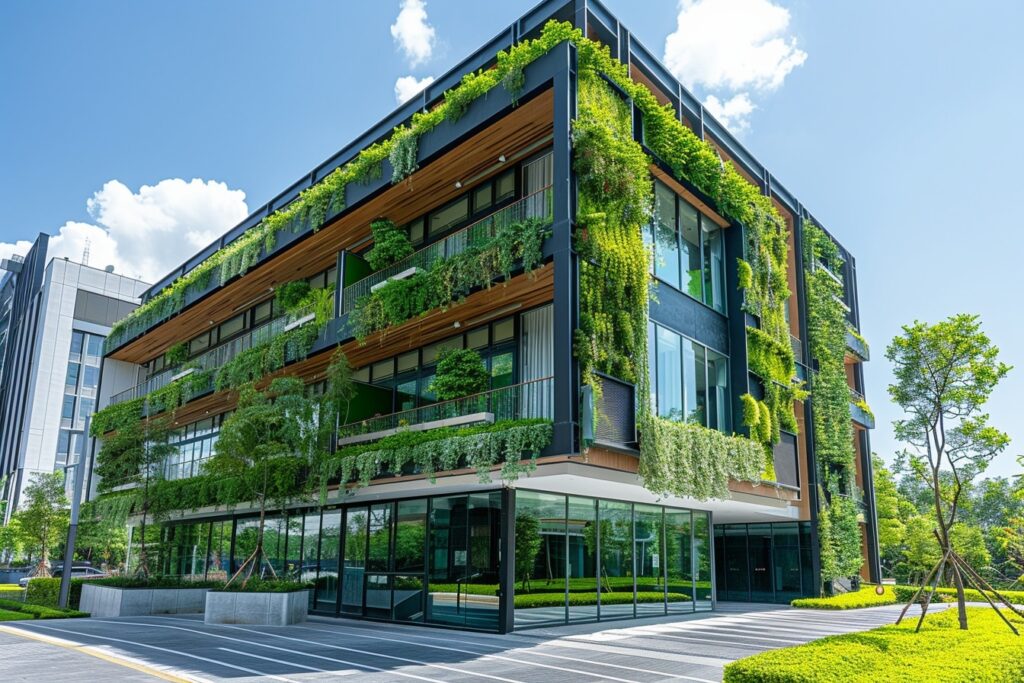
Real estate developers have always had to consider the fleeting character of our aesthetic sensibilities. And it is this shift that is defining the very soul of urban residential development. The definition of premium lifestyles has shifted from concrete and steel city views and the clamour of the city to vistas of mountains, golden sunsets, and songbirds. Upscale luxury remains a constant, but homeowners now want the sanctity of green spaces, clean air, and expansive residences bathed in natural light. It is all about urban living, but in the lap of nature. Some of the best real estate companies, such as the Shapoorji Pallonji Real Estate Group, have begun to embrace this transition.
Nurturing Thriving Communities
Modern residential development has become an exercise in building vibrant communities. Let us take the example of Vanaha Verdant in Bavdhan, Pune. This sprawling township is perfect for homeowners looking to live in a community where urban luxuries meet green planning. These residences overlook the Sahyadri hills and are nestled in lush natural settings. Amenities such as stargazing and bird-watching spots bring families together. Outdoor camping decks marry convenience with adventure; hammock gardens and nature ponds transform everyday lives into eternal vacations. The golf greens and open forest garden are more than residential facilities – they are tools for the community to share their love of nature’s bounty and get back their inner balance.
Healthy Living
The main health benefit of focusing on green infrastructure in contemporary residential projects is the promotion of active lifestyles and physical well-being. Beautiful, open jogging tracks motivate residents to live more active and spirited lives. Most residential townships now provide sporting facilities such as badminton, tennis, and basketball courts, while children have dedicated parks—luxuries that are increasingly rare in bustling urban zones. Children spending free time in tree houses and bamboo groves naturally develop a robust constitution and enjoy a clean, pollution-free environment. These residential projects are ideal for families attuned to a nature-synced lifestyle.
Green Premium
Experts studying real estate dynamics are now discussing the “green premium” homeowners are willing to pay. Simply put, this is an investment in the long-term benefits of living in a project with green infrastructure. At a time when most cities are grappling with poor air quality index (AQI), contamination of water sources, noise pollution, and chronic stress, residential projects built in natural settings but close to commercial centres provide healthier, sustainable lifestyles, which have a profound impact on work-life balance and nurture a joyful outlook.
This “green premium” is not a fad. It is a change in collective consciousness, the adoption of a new social outlook that will grow stronger in the years to come. This makes buying into eco-friendly green infrastructure-backed residential properties a fantastic investment option. The ‘evergreen’ demand for these properties is a driver of market value appreciation and delivers strong ROI.
Conclusion
The incorporation of green infrastructure, natural spaces, scenic vistas, and forested areas into new residential communities has emerged as a central priority for real estate developers and homebuyers in 2026. This is a new era of conscious living, and the real estate sector is leading the charge.