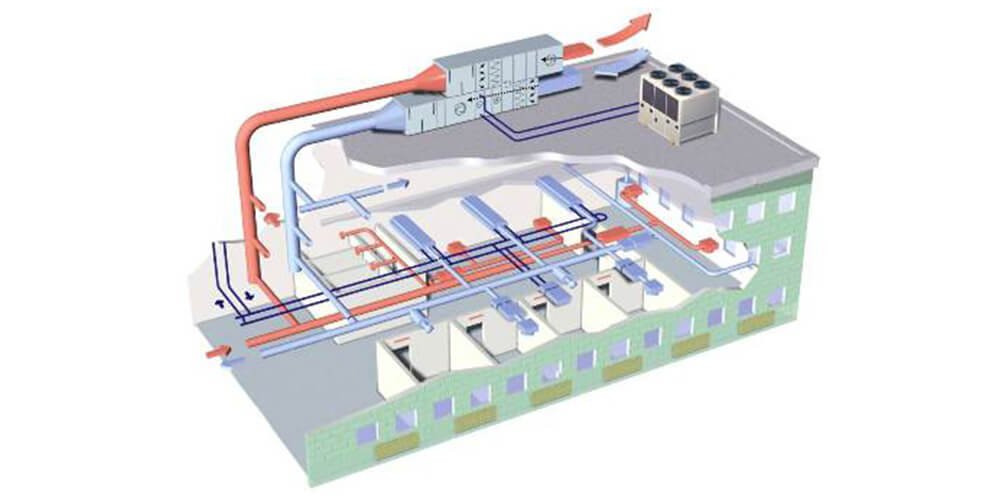
An HVAC system, representing Heating, Ventilation, and Air Conditioning, is essential for maintaining a comfortable and controlled indoor environment. These systems regulate temperature, manage humidity levels, and ensure adequate air circulation, making spaces healthier and more enjoyable. By combining heating during cold periods and cooling during warmer months, they provide year-round comfort. In addition to temperature control, modern HVAC-systems contribute to air purification by reducing dust, allergens, and other airborne particles. With growing focus on energy efficiency and sustainability, these systems are being developed to minimise environmental impact while maximising performance and indoor air quality.
Components of an HVAC-System
An HVAC-system consists of several essential components that work together to regulate indoor environments. The heating unit, such as a furnace or boiler, generates warmth during colder months. This is vital for maintaining comfortable indoor temperatures and preventing structural issues caused by extreme cold.
The ventilation network ensures a continuous flow of air, promoting healthy indoor air quality. It includes ducts, vents, and fans, which distribute fresh air while removing stale or polluted air from the space. Proper ventilation reduces the risk of airborne contaminants accumulating indoors. The air conditioning unit cools and dehumidifies the air during warmer seasons, creating a more comfortable environment. This component extracts excess heat and moisture from indoor air, ensuring the space remains pleasant and balanced.
Additional components may include filters to capture airborne particles and thermostats for precise temperature regulation. Together, these parts work seamlessly to provide effective heating, cooling, and ventilation. The integration of these elements ensures consistent performance, offering year-round comfort and improving indoor air quality in both residential and commercial settings.
How HVAC-Systems Work
HVAC-systems function by utilising principles of heat transfer, fluid dynamics, and thermodynamics to regulate indoor environments. Heating components, such as furnaces or boilers, generate heat, which is then distributed through ducts or radiant systems to maintain warmth during colder months. In contrast, cooling elements, such as air conditioners, extract heat from indoor air using refrigerants, ensuring comfortable conditions in warmer weather.
Ventilation plays a critical role by facilitating air movement, ensuring fresh air is introduced while stale air is expelled. This process helps to maintain indoor air quality, reduce moisture levels, and prevent pollutant build-up. Fans and ducts work together to distribute conditioned air evenly across the space.
Thermostats enable precise control of temperature by signalling the system to adjust heating or cooling operations based on preset preferences. Filters, located within the system, remove dust, allergens, and other particles from the air as it circulates, contributing to healthier indoor conditions.
Energy Efficiency in HVAC-Systems
Energy efficiency in HVAC-systems relies on advanced technologies designed to optimise performance while reducing energy consumption. Features such as variable-speed compressors allow systems to adjust output based on demand, ensuring energy is not wasted during periods of lower usage. Additionally, programmable thermostats enable precise temperature control, avoiding unnecessary heating or cooling when spaces are unoccupied.
Proper insulation and well-sealed ductwork also play a significant role in maintaining energy efficiency. These elements prevent energy losses by ensuring conditioned air reaches its intended destination without escaping through gaps or poorly insulated areas. Energy-efficient HVAC-systems are often equipped with high-efficiency filters that improve airflow, further contributing to overall system performance.
Innovations like heat recovery ventilation systems enable the reuse of energy by transferring heat between incoming and outgoing airflows. Regular system maintenance, including cleaning filters and inspecting components, ensures that HVAC-systems continue to operate at peak efficiency. Over time, upgrades to energy-efficient models or the incorporation of renewable energy sources, such as solar-powered systems, can further reduce reliance on conventional energy, contributing to long-term sustainability.
Maintenance of HVAC-Systems
Regular maintenance is crucial for an HVAC-system to function efficiently and maintain its lifespan. One important task is routinely cleaning or replacing air filters, as clogged filters can restrict airflow and reduce system performance. Inspecting and sealing ductwork is equally vital to prevent air leakage, which can result in energy loss and uneven temperature distribution.
Refrigerant levels should be checked periodically to ensure the cooling system operates effectively, as low levels can compromise performance and increase energy consumption. Thermostat calibration is another essential step, as inaccurate settings can lead to inconsistent temperature control and reduced comfort. Professional inspections can identify worn-out components or potential malfunctions, allowing timely repairs to avoid more significant issues.
Lubricating moving parts, such as fan motors, helps to minimise friction and extend the lifespan of mechanical elements. Ensuring vents and registers are unobstructed improves airflow and overall efficiency. Seasonal maintenance is particularly beneficial, as preparing systems for extreme weather conditions can enhance reliability. By prioritising regular servicing and addressing minor problems promptly, HVAC-systems can operate efficiently, offering consistent performance and reducing the likelihood of costly repairs.
Common HVAC System Issues
HVAC system performance may decline over time due to various issues that affect efficiency and reliability. A frequent problem involves clogged or dirty air filters, which restrict airflow and place unnecessary strain on the system. This can lead to uneven temperature regulation and higher energy consumption if left unaddressed. Leaking refrigerant is another common issue that affects the cooling capacity of the system. Insufficient refrigerant levels can cause the air conditioning unit to perform inefficiently, potentially leading to system overheating or freezing.
Ductwork problems, such as leaks or blockages, can disrupt the even distribution of air throughout a building. This can result in temperature inconsistencies and reduced system efficiency. Additionally, malfunctioning fans or blowers can hinder air circulation, affecting both heating and cooling operations.
Electrical issues, including worn-out wiring or failing components, may cause system breakdowns or erratic behaviour. Regular inspections can help identify and address such problems before they escalate. Strange noises, unusual odours, or unexpected increases in energy bills often indicate underlying issues within the system. Prompt attention to these warning signs can prevent further complications and maintain consistent operation.
Improving Air Quality with HVAC
An HVAC-system contributes significantly to indoor air quality through advanced technologies designed to manage and improve airflow. High-quality filtration systems within HVAC units capture a wide range of airborne particles, including dust, pollen, and allergens, helping to create a cleaner environment. Filters with high efficiency are particularly effective in reducing respiratory irritants, promoting healthier indoor spaces.
Some HVAC-systems integrate additional purification technologies, such as ultraviolet (UV) light systems, to neutralise bacteria, mould, and viruses. These features reduce the presence of harmful microorganisms, further enhancing air quality. Proper airflow, managed by the ventilation component of the system, ensures that fresh air circulates effectively while removing stale or contaminated air.
Regular maintenance of the HVAC-system, including timely filter replacement and duct cleaning, plays a vital role in maintaining its efficiency in improving air quality. Neglecting these tasks can result in the accumulation of dust and pollutants, reducing system performance.
HVAC-System Innovations
The HVAC industry has seen remarkable innovations aimed at improving efficiency, sustainability, and functionality. Smart technology integration has revolutionised HVAC-systems, allowing remote monitoring and operation through connected devices. These systems utilise advanced algorithms to learn usage patterns, enabling optimised energy management and precise climate control.
Innovative components, such as variable refrigerant flow (VRF) systems, have enhanced flexibility in regulating individual zones within a building. This ensures tailored comfort and minimises energy wastage by targeting specific areas. Additionally, advancements in heat pump technologies, including geothermal systems, have introduced environmentally friendly options by leveraging natural energy sources.
Energy recovery ventilation (ERV) systems have emerged as another significant development. These systems transfer heat and moisture between outgoing and incoming airflows, maximising energy efficiency while maintaining indoor air quality. Improved filtration systems, including HEPA filters, have been integrated to capture microscopic particles, reducing airborne contaminants. Ductless mini-split systems have also gained popularity for their compact design and energy-saving capabilities, offering a versatile solution for spaces without traditional ductwork.
Benefits of HVAC-Systems
HVAC-systems provide numerous advantages by creating a comfortable and controlled indoor environment. They regulate temperature efficiently, ensuring warmth during colder months and cooling during hotter seasons. This contributes to improved productivity, as individuals are more likely to perform well in comfortable surroundings.
Beyond temperature control, HVAC-systems enhance indoor air quality by filtering out dust, allergens, and other airborne contaminants. This reduces the risk of respiratory issues and promotes a healthier living or working environment. Proper humidity control, achieved through HVAC-systems, prevents the growth of mould and mildew, safeguarding structural integrity and occupant health.
In commercial settings, reliable HVAC-systems play a key role in maintaining a pleasant atmosphere for employees and customers, fostering a positive impression and better business outcomes. Energy-efficient HVAC models also help reduce energy consumption, lowering operational costs while supporting sustainability goals. For residential spaces, modern HVAC-systems integrate advanced features such as zoning options, which allow tailored temperature control for different areas. These systems not only enhance overall comfort but also provide long-term cost savings through efficient energy use.
Choosing the Right HVAC-System
Selecting an appropriate HVAC-system involves evaluating several critical factors to ensure efficient operation and long-term reliability. The size and layout of the space are essential considerations, as systems that are too large or small may fail to deliver optimal performance. Climate conditions also play a significant role in determining the type and capacity of the system required for effective heating or cooling.
Energy efficiency is another vital aspect, with systems rated for higher efficiency offering cost savings and environmental benefits over time. Modern HVAC-systems often feature advanced technologies, such as zoning capabilities, which allow temperature control for specific areas within a building. This ensures tailored comfort and minimises energy consumption.
Professional assessment is recommended to determine the most suitable system for the intended environment. Factors such as insulation, ductwork condition, and airflow requirements are evaluated to align with the space’s unique demands. Careful selection of these elements ensures that the chosen HVAC-system delivers effective, efficient performance.
Conclusion
An HVAC system serves as a cornerstone for maintaining indoor comfort and air quality. By seamlessly integrating heating, ventilation, and air conditioning functions, these systems ensure balanced temperature regulation and airflow throughout the year. They contribute to healthier environments by filtering pollutants and controlling humidity, reducing potential health risks associated with poor air quality or moisture accumulation. Energy-efficient advancements in HVAC technology further enhance their value by reducing operational costs and environmental impact. Proper installation, regular maintenance, and periodic inspections are critical for achieving consistent performance and extending system longevity.
FAQs
What does an HVAC-system do?
An HVAC-system manages heating, ventilation, and air conditioning, ensuring a balanced indoor climate. It regulates temperature, controls humidity, and promotes airflow to create a comfortable and healthy environment.
How frequently should an HVAC-system undergo maintenance?
Professional maintenance should ideally be performed annually. Regular servicing ensures the system operates efficiently, prevents unexpected breakdowns, and identifies minor issues before they escalate into costly repairs.
What are potential indicators of HVAC malfunctions?
Signs of HVAC issues include uneven temperatures, reduced airflow, increased energy consumption, and unusual noises or smells. Addressing these promptly can prevent further system deterioration.
How can an HVAC system enhance indoor air quality?
An HVAC system improves air quality through effective filtration and ventilation. Filters capture dust, allergens, and other particles, while ventilation removes stale air and introduces fresh air into the space.
What factors are important when selecting an HVAC-system?
Factors include the size of the building, energy efficiency ratings, local climate, and the system’s features, such as zoning options or advanced technology. Professional assessments ensure suitability.
How are smart HVAC-systems different from conventional ones?
Smart HVAC-systems integrate advanced technology, allowing remote operation and energy optimisation. They adjust settings automatically, improving efficiency and tailored indoor comfort.
| Related Business Listings |
| Contact Directory |
| Local Business Profiles |