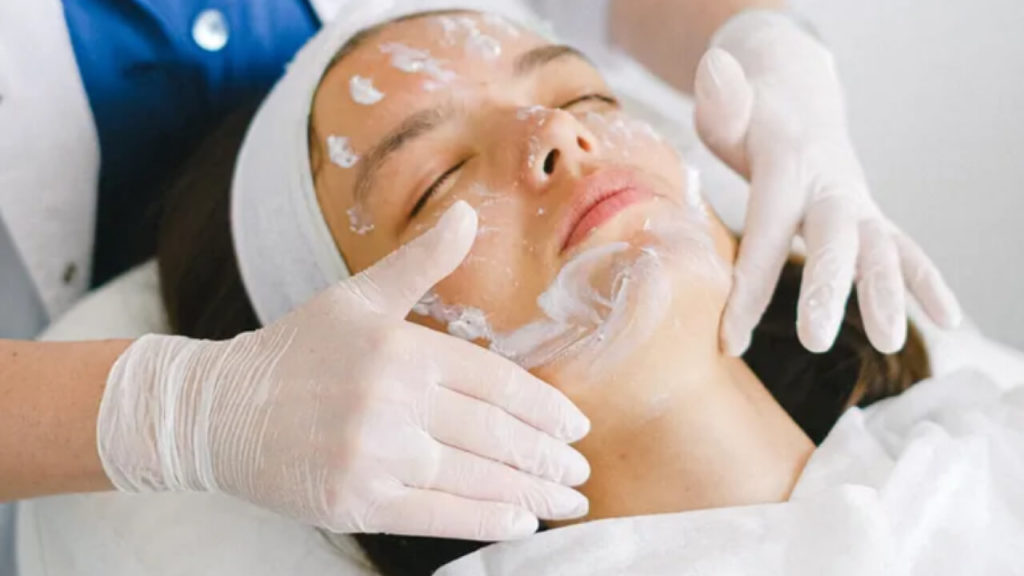
Modern skincare treatments continue to evolve as science and cosmetic medicine work together to improve skin health and appearance. Among the most talked-about procedures is the Vampire Facial, a treatment that combines microneedling with platelet-rich plasma (PRP) therapy to encourage natural skin renewal. Celebrities and skincare enthusiasts have helped popularize the procedure, but the real interest lies in the biological processes that support its results.
Understanding Skin Aging
To understand how advanced facial treatments work, it is important to first understand why skin changes over time. Aging skin gradually loses collagen and elastin, the proteins responsible for firmness, elasticity, and smooth texture. Environmental exposure, sun damage, pollution, stress, and lifestyle habits can accelerate these changes.
As collagen production slows, fine lines, wrinkles, enlarged pores, uneven tone, and dullness become more visible. Traditional skincare products may help improve surface appearance, but many cosmetic procedures aim to stimulate deeper skin repair mechanisms.
This is where regenerative treatments have gained attention in dermatology and aesthetic medicine.
What Is a Vampire Facial?
A Vampire Facial is a cosmetic procedure that uses the patient’s own blood components to support skin rejuvenation. The treatment typically combines two techniques: microneedling and platelet-rich plasma therapy.
During the procedure, a small amount of blood is drawn and processed in a centrifuge to separate platelet-rich plasma from other blood components. Platelets contain growth factors and proteins involved in tissue repair and healing.
Once the PRP is prepared, microneedling is performed across the skin’s surface using tiny sterile needles that create controlled micro-injuries. The plasma is then applied to the treated skin so it can penetrate more effectively.
The goal is to encourage the body’s natural healing response while boosting collagen production and improving overall skin texture.
The Role of Platelet-Rich Plasma
Platelet-rich plasma is widely used in medical fields beyond aesthetics, including sports medicine and wound healing. Its effectiveness comes from the concentration of growth factors that assist in tissue repair.
Some of the primary growth factors found in PRP include:
- Platelet-derived growth factor (PDGF)
- Transforming growth factor (TGF)
- Vascular endothelial growth factor (VEGF)
- Epidermal growth factor (EGF)
These proteins help stimulate cell turnover, improve blood flow, and encourage collagen synthesis. When applied during cosmetic treatments, PRP may enhance the skin’s regenerative process.
Researchers continue to study the long-term effectiveness of PRP in skincare, but many patients report improvements in skin brightness, elasticity, and texture after treatment sessions.
How Microneedling Supports Skin Renewal
Microneedling plays an important role in the procedure. The tiny punctures created during treatment trigger the body’s wound-healing response. Although the micro-injuries are controlled and superficial, the skin reacts by increasing collagen and elastin production.
This process is often called collagen induction therapy. Over time, newly formed collagen can help reduce the appearance of:
- Fine lines
- Acne scars
- Enlarged pores
- Uneven texture
- Mild pigmentation issues
When combined with PRP, the healing process may become more efficient because the plasma delivers concentrated growth factors directly into the treated areas.
The Science of Collagen Production
Collagen is the structural protein that gives skin strength and resilience. Natural collagen production declines with age, particularly after the mid-20s. UV radiation, smoking, poor nutrition, and chronic stress can further damage collagen fibers.
The body responds to microneedling by activating fibroblasts, specialized cells responsible for producing collagen. PRP may enhance fibroblast activity through its growth factor content.
The result is gradual remodeling of skin tissue. Because collagen rebuilding takes time, improvements often appear over several weeks or months rather than immediately after treatment.
Patients usually notice smoother texture and firmer skin as the healing cycle progresses.
Potential Benefits of the Treatment
People seek this procedure for a variety of cosmetic concerns. While individual results vary, common reported benefits include:
Improved Skin Texture
The stimulation of collagen can help create smoother skin with reduced roughness and uneven areas.
Reduction in Fine Lines
Increased collagen and elastin production may soften the appearance of early wrinkles and expression lines.
Brighter Complexion
Many patients report healthier-looking skin with improved tone and radiance after healing.
Scar Improvement
Microneedling combined with PRP is sometimes used to reduce the visibility of acne scars and mild skin depressions.
Enhanced Skin Firmness
As collagen rebuilds, the skin may appear tighter and more resilient.
What to Expect During Recovery
Recovery time is generally short compared to more invasive cosmetic procedures. Most patients experience redness, mild swelling, and sensitivity for one to three days following treatment.
The skin may feel similar to a mild sunburn during the early healing phase. Temporary dryness or flaking can also occur as new skin cells replace older damaged layers.
Proper aftercare is important for optimal healing. Patients are usually advised to:
Avoid direct sun exposure
- Use gentle skincare products
- Keep the skin hydrated
- Avoid harsh exfoliants for several days
- Follow post-treatment instructions carefully
Visible improvements typically continue developing over several weeks.
Safety and Medical Considerations
Because the treatment uses the patient’s own plasma, allergic reactions are uncommon. However, safety depends heavily on professional technique, sterile equipment, and proper medical protocols.
Potential side effects may include:
- Redness
- Temporary swelling
- Bruising
- Mild discomfort
- Skin sensitivity
Choosing a qualified medical professional is essential. Improper handling of blood products or unsterile equipment can increase the risk of infection or complications.
Individuals with certain blood disorders, active skin infections, or severe inflammatory skin conditions may not be suitable candidates for the procedure.
Scientific Research and Ongoing Studies
Scientific interest in regenerative aesthetics continues to grow. Several studies suggest that PRP combined with microneedling may improve skin elasticity and scar appearance more effectively than microneedling alone. However, results can vary depending on preparation methods, platelet concentration, treatment frequency, and patient factors.
Researchers are still working to standardize PRP protocols because different clinics may use varying techniques and equipment. This makes direct comparisons between studies more difficult.
Despite ongoing research, many dermatologists believe PRP-based procedures show promising potential in non-surgical skin rejuvenation.
Who May Benefit Most?
The treatment is often considered suitable for adults experiencing mild to moderate signs of skin aging. It may also appeal to individuals looking for a less invasive alternative to surgical cosmetic procedures.
People with acne scarring, uneven texture, or dull skin tone may notice the most visible improvements. However, realistic expectations are important. Results are usually gradual rather than dramatic.
Multiple sessions are often recommended for optimal outcomes, especially for scar reduction or more advanced skin concerns.
Final Thoughts
The science behind regenerative skincare treatments reflects a broader shift toward procedures that work with the body’s natural healing abilities. By combining microneedling with platelet-rich plasma, the Vampire Facial aims to stimulate collagen production, improve skin texture, and encourage long-term renewal.