Streetwear brands appear all the time, but very few manage to create a real sense of belonging. Corteiz did exactly that. Instead of trying to look like every polished fashion label, it built its identity around independence, limited access, bold messaging, and a strong connection with young people in the UK.
Its rise did not feel like a traditional fashion launch. There were no endless rails of stock or predictable seasonal campaigns. The brand grew through word of mouth, carefully controlled drops, social media energy, and the feeling that wearing it meant you understood something others had not discovered yet.
How Corteiz Built a Different Kind of Streetwear Brand
A major reason behind the brand’s growth was its refusal to follow the usual retail formula. Many clothing companies try to reach as many shoppers as possible from day one. This label took the opposite approach.
Products were not always easy to access, releases felt unpredictable, and the community often had to pay close attention to find out what was happening next. That created curiosity. People were not simply buying a hoodie or pair of trousers; they were taking part in a moment.
This approach worked particularly well in British streetwear, where authenticity matters. UK shoppers can usually tell when a brand is trying too hard to manufacture hype. The early energy around the label felt more natural because it came from real people sharing outfits, talking about drops, and wearing the clothing in everyday settings.
You would see the pieces styled outside train stations, around college campuses, at football matches, and in music videos. They were not limited to fashion influencers posing in perfect studio lighting. That made the brand feel closer to the streets it was inspired by.
Scarcity Created Excitement, but Community Made It Last
Limited releases played a major part in building demand. When people know that an item may sell out quickly, they naturally pay more attention. Still, scarcity alone is not enough. Plenty of brands create small quantities and disappear a few months later.
The difference here was the sense of community surrounding each release. People discussed sizing, shared drop information, posted delivery updates, and showed how they styled their latest purchases. Every release generated conversation before and after the products became available.
That conversation gave the clothing a life beyond the online shop. A sold-out item might continue appearing in outfit photos for months, which kept interest alive between drops.
There was also a rebellious tone behind the branding. It did not seem desperate for approval from the wider fashion industry. For younger shoppers, particularly those tired of overexposed luxury labels, that independence felt refreshing.
The Pieces Matched How People Actually Dress
Marketing can attract attention, but clothing still needs to work in a real wardrobe. One reason the brand grew so quickly is that its main pieces fit naturally into everyday UK streetwear.
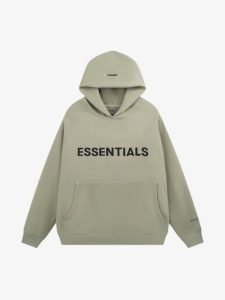
The Corteiz Hoodie is a good example. Hoodies are useful throughout most of the British year, whether worn alone during a mild afternoon or layered beneath a puffer when the temperature drops. A relaxed hoodie with straight jeans and clean trainers requires almost no effort, yet it still looks properly styled.
The Corteiz Tracksuit also reflects the UK’s long relationship with sportswear. Matching sets have been part of British casual fashion for years. They work for travelling, meeting friends, running errands, or simply wanting an outfit that feels comfortable without looking careless.
Then there are Corteiz Cargos, which suit the wider, utility-inspired silhouettes that have become common across modern streetwear. They pair easily with sweatshirts, fitted tees, overshirts, and both retro and chunky trainers.
During warmer weather, Corteiz Shorts offer the same relaxed energy. In a typical British summer, they look best with a heavyweight T-shirt and a lightweight jacket close by. After all, sunny at lunchtime does not always mean warm by the evening.
Social Media Helped the Brand Grow Without Diluting It
Social media gave independent streetwear labels direct access to their audience, but simply posting regularly does not guarantee people will care. The brand understood how to make online activity feel like part of its identity rather than standard advertising.
Announcements often created urgency. Outfit photos felt connected to real street culture, and the conversation around each release spread quickly through reposts, group chats, and short-form videos.
This style of promotion suited a generation that does not want to be spoken to like a traditional customer. People wanted clues, moments, and experiences rather than another glossy campaign explaining why they should buy something.
The mystery also helped. When a brand does not reveal everything at once, people fill in the gaps themselves. They discuss rumours, predict releases, and keep checking for updates. That level of attention is difficult to buy through ordinary advertising.
Styling the Brand Without Looking Overdone
The strongest outfits usually avoid wearing several heavily branded pieces together. A single statement item has more impact when the rest of the look is simple.
For example, pair a graphic hoodie with plain black trousers and neutral trainers. If you are wearing cargo trousers, try a clean white tee and a short jacket. With a full tracksuit, keep the shoes and accessories understated so the matching set remains the focus.
Fit matters more than how expensive the outfit is. Oversized clothing should still have some shape. Wide trousers need the correct length, while roomy hoodies look better when the cuffs and hem sit neatly.
It is also worth mixing new streetwear with older wardrobe basics. A fresh branded sweatshirt can look more natural with slightly faded denim or well-worn trainers than with an entirely new outfit. Real street style rarely looks untouched.
What Buyers Can Learn From Its Rise
The story is not only about limited clothing. It shows how much modern shoppers value identity, consistency, and community.
People want more than a logo. They want to understand what a brand represents and feel that the people behind it know their audience. However, buyers should still shop with a clear head. A fast-selling release is not automatically the right purchase for everyone.
Before buying, ask whether the item works with clothes you already own. Can you create at least three outfits with it? Does the fit suit your usual style? Would you still wear it if nobody recognised the branding?
Those questions help separate a useful wardrobe addition from a purchase driven entirely by excitement.
Final Thoughts
The rise of Corteiz came from a combination of clever scarcity, strong cultural awareness, wearable products, and a community that genuinely wanted to participate. It did not grow by copying the traditional fashion system. It created its own rules and encouraged supporters to feel part of the journey.
Hype may bring people to a release, but clothing earns long-term loyalty when it fits real life. That balance between exclusivity and everyday wearability is what turned the label from an underground name into one of the most discussed forces in UK streetwear.
FAQs
Why did the brand become popular so quickly?
Its limited drops, distinctive identity, community-led promotion, and strong connection with British youth culture helped create demand. The clothes were also easy to wear with everyday streetwear outfits.
Are the clothes suitable for daily wear?
Yes. Hoodies, tracksuits, cargos, and shorts are practical wardrobe pieces. They can be styled casually for college, travel, weekends, and relaxed social plans.
How should I style a branded hoodie?
Keep the rest of the outfit simple. Straight-leg jeans, cargo trousers, and neutral trainers usually work well. Add a puffer or bomber jacket during colder weather.
Should I size up for an oversized look?
Not automatically. Many streetwear items already have a relaxed cut. Checking the garment measurements against clothing you own is more reliable than choosing a larger size without comparing the fit.
Are limited releases always worth buying?
No. Limited stock creates excitement, but the item should still suit your wardrobe, budget, and personal style. Buy something because you will wear it, not only because it may sell out.