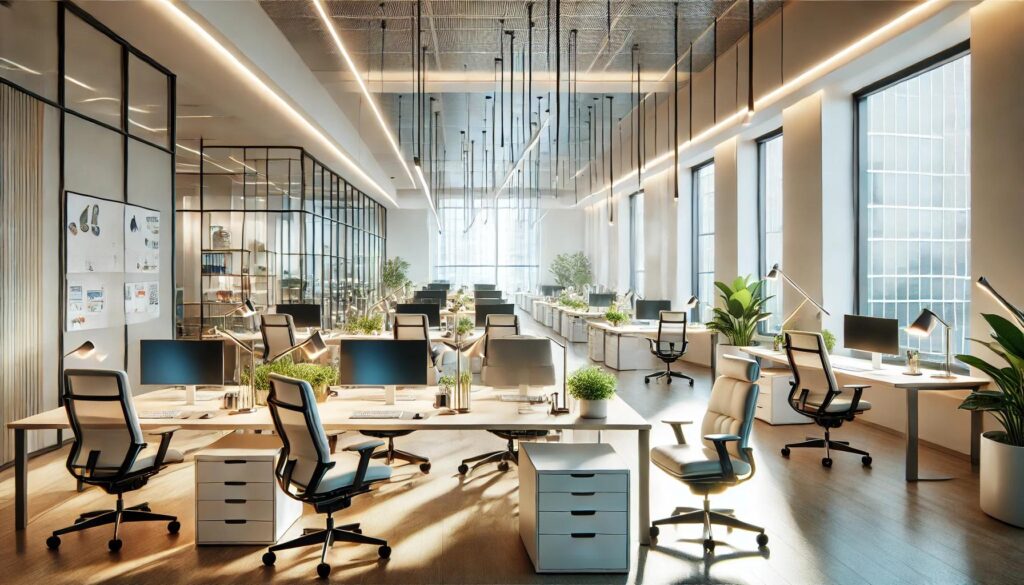
You can usually tell within thirty seconds of walking into an office whether the lighting was an afterthought. Maybe it’s the flickering panel above the printer, or the glare bouncing off someone’s monitor, or just that flat, sleepy feeling a room gets when everything’s lit the exact same way. Lighting is one of those things people rarely think about until it’s wrong — and by then, it’s already affecting how the team feels by 3pm every day. This checklist walks through what actually matters when planning commercial lighting for an office, and what to look for once you start calling around to find a led light supplier near me.
Why Lighting Deserves More Attention Than It Gets
It’s easy to treat lighting as a line item — buy some fixtures, screw them in, done. But the tone of a room changes completely depending on how it’s lit. Employees squint less, focus longer, and generally seem more at ease in a well-lit space. Clients notice it too, even if they couldn’t tell you why the office “feels” professional. Good commercial lighting is doing quiet work in the background all day long.
What to Check Before You Buy Anything
Start With the Windows
Before adding a single fixture, walk the space and figure out where daylight actually falls throughout the day. Desks near windows often need less artificial light in the mornings. Sheer blinds help cut glare without blocking the light entirely. Interior rooms with no windows will need more deliberate, brighter setups since they’re not getting any help from the sun.
Get the Color Temperature Right
This trips a lot of people up. Light “temperature,” measured in Kelvin, changes how a space feels:
- 3000K–3500K — warmer, softer light, better suited to breakrooms or lounges
- 4000K–4500K — a neutral white that works fine for most general office areas
- 5000K–6500K — cooler and sharper, good for spaces where people need to stay alert
There’s no single “correct” number here — it depends on what each room is for.
Go With LEDs, Basically Every Time
At this point, there’s not much of a debate. LED fixtures last far longer and use far less energy than older fluorescent tubes or incandescent bulbs, which adds up fast across a whole floor of lighting running eight-plus hours a day. If you’re upgrading anything, this is usually where the savings show up first.
Layer the Light Instead of Flooding the Room
One overhead source lighting an entire office tends to look flat and feel a little lifeless. A better approach layers three types together:
- Ambient — the general, overhead lighting that fills the room
- Task — desk lamps or under-cabinet lights for close work
- Accent — smaller fixtures that highlight a reception desk or meeting space
Watch for Glare and Flicker
If people are complaining about tired eyes or headaches, check the fixtures before you check anything else. Flickering bulbs and unshielded glare are common culprits, and both are easy to fix with anti-glare diffusers and decent-quality LED drivers.
Keep Emergency Lighting Compliant
Not the most exciting part of the checklist, but it matters. Test emergency lighting on a schedule, and make sure exit signage stays visible and properly lit at all times — this isn’t optional from a safety standpoint.
Leave Room to Grow
Offices change. Teams grow, layouts shift, walls move. Choosing modular fixtures and smart controls now saves you from ripping out an entire system later just to add a few more desks.
Finding a LED Light Supplier Near Me Worth Working With
Buying locally tends to make life easier — quicker delivery, someone who can actually show up if there’s an installation issue, and support that doesn’t disappear after the sale. When you’re comparing options for a led light supplier near me, it’s worth asking:
- Do they carry commercial-grade panels, high bays, and task lighting, or just residential stock?
- What does their warranty actually cover, and how responsive is their support team?
- Are their products certified for energy efficiency?
- What do other local businesses say about them?
The suppliers worth working with tend to ask questions about your space before they try to sell you anything.
Final Thoughts
Office lighting isn’t glamorous, but it’s one of the most cost-effective upgrades a workplace can make. Get the natural light mapped out, pick sensible color temperatures, layer your fixtures, and lean on LEDs wherever you can. Then find a led light supplier near me who understands commercial spaces, not just retail bulbs. Do that, and the lighting stops being something people notice — which, honestly, is exactly the point.