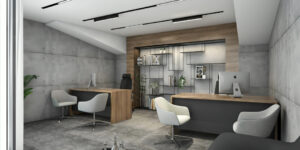
The interiors of many Indian houses these days exhibit a fusion of traditional and modern tile styles. Perhaps you might observe intricately designed wooden chairs, brass accents, or family antiques mixed with synthetic and bright-colored illumination, free floor layouts, and smooth finishes. This harmonic mixture does not feel forced; rather, it is a direct reflection of the current lifestyle. The major factor in unifying these two styles is tiles.
Traditional tiles embody warmth and cultural character, whereas modern ones emphasize simplicity and ease of use. When these two are mixed and matched, they can create either confusion or balance, but the latter is the best-case scenario. The point is not to place styles everywhere; it depends on knowing the best place for each style.
This blog post demonstrates how to blend traditional and modern tile designs perfectly in one home. It gives you practical ideas, room-wise tips, and common mistakes to avoid so your space feels connected, calm, and well planned.
Understanding Traditional and Modern Tile Styles
Before blending different styles, it is always beneficial to learn what distinguishes each one.
The classic ceramic tiles usually offer a variety of patterns, images, and earth tones. The prints of flowers, the repetition of geometries, or the looks of very handmade tiles all may be seen. Such tiles give a room a certain character and warmth of a bygone period.
Tiles in a contemporary style are characterized by their geometric shapes and simple finishes. They are likely to be available in lighter hues, in larger dimensions, and in either englared or silky surfaces. These tiles help keep the space bright and also do not give the impression of a hard-to-care-for space.
Knowledge of these differences enables one to mix them intentionally.
Why Blending Both Styles Works Well in Indian Homes
Indian residences hardly ever abide by a single design principle. Architecture, family lifestyle, and cultural customs are all factors affecting the appearance and use of the building. Therefore, it is often more practical to mix styles than to limit oneself to one.
On the one hand, traditional tiles deliver warmth and personality; on the other hand, modern tiles offer comfort and easy maintenance. This combination makes the areas feel both warm and useful. This harmony is perfect for daily life and at the same time respects the individual’s taste.
The blending of different tile designs is one of the strongest attraction points for Indian homes. Besides, it enables the homeowners to breathe life into their traditional aspects at the same time as they are using modern materials and enjoying their benefits.
Practical Ways to Blend Traditional and Modern Tiles
When every tile has a distinct function, blending styles is the most effective.
- The feature wall gets traditional tiles, while modern tiles occupy the floor.
- Restrict patterned tiles to small places where they can be seen but not dominate the room.
- Contrast vivid old-fashioned patterns with sleek modern tiles to get equilibrium.
- Install classic tiles in places that have cultural significance, for instance, the entrance or worship areas.
- Opt for contemporary tiles in high-traffic areas like the kitchen and bathroom for hassle-free maintenance.
This method allows you to combine different types of tiles while still maintaining visual coherence.
Room-Wise Tile Blending Ideas
Every room requires a different level of aesthetic and functionality.
Living Room
To maintain an airy and luminous atmosphere, use fashionable living room tiles for flooring. To make the room more attractive, place traditional patterned tiles on one wall or near the seating areas.
Kitchen
Modern tiles are perfect not only for flooring but also for countertops, as they can be wiped clean easily. Traditional tiles can be used for the backsplash to contribute the desired vibrancy and intricacy.
Bathroom
Go for the main surfaces that are modern and simple. Use traditional bathroom tiles in little spots such as niches or on a single wall, to create contrast.
Bedroom
Modern tiles with soothing colors aid in the establishment of a peaceful environment. Traditional tiles can be used in a small amount, for example, behind the bed or in an adjoining dressing area.
Staircase or Corridor
Risers of patterned traditional staircase tiles and treads of modern at the same time create a powerful visual feature without the distraction of the cluttering the space.
These are the great fun tile ideas that work for the less noisy Indian modern interiors and at the same time keep the cultural elements alive.
Common Mistakes to Avoid
Blending traditional and modern tile designs works well when it is planned carefully. Without a clear approach, the mix can feel messy instead of balanced. These are some common mistakes homeowners should avoid.
- Using too many patterned tiles in one space: Traditional tiles often have strong patterns. Using them on multiple walls or floors can make the room feel crowded. It is better to limit patterns to one area and keep the rest simple.
- Mixing styles without a clear purpose: Every tile should have a reason to be there. Randomly placing traditional and modern tiles together can confuse the overall look. Decide which style will lead the design and which one will support it.
- Ignoring the size of the room: Heavy traditional designs can overpower small rooms. In compact spaces, modern tiles should dominate, with traditional tiles used only as accents.
- Using too many colours at once: Traditional tiles often include multiple colours. Pairing them with colourful modern tiles can clash. Keeping a limited colour palette helps maintain visual balance.
- Not considering lighting: Lighting changes how tiles look. A pattern that looks subtle in a showroom may appear very bold at home. Always consider how natural and artificial light will affect the tiles.
- Overdecorating high-use areas: Kitchens, bathrooms, and corridors need easy maintenance. Using detailed traditional tiles everywhere can make cleaning difficult. Modern tiles work better in these spaces.
Avoiding these mistakes helps ensure that traditional and modern tiles complement each other instead of competing for attention.
Conclusion
Blending traditional and modern tile designs is about balance, not excess. When used thoughtfully, both styles can support each other and create spaces that feel personal and practical. Traditional tiles add warmth and story. Modern tiles bring ease and clarity.
With careful planning, clear roles for each tile type, and attention to colour and layout, it is easy to create a home that feels rooted yet current. A well-balanced mix turns everyday spaces into places that feel complete and comfortable.