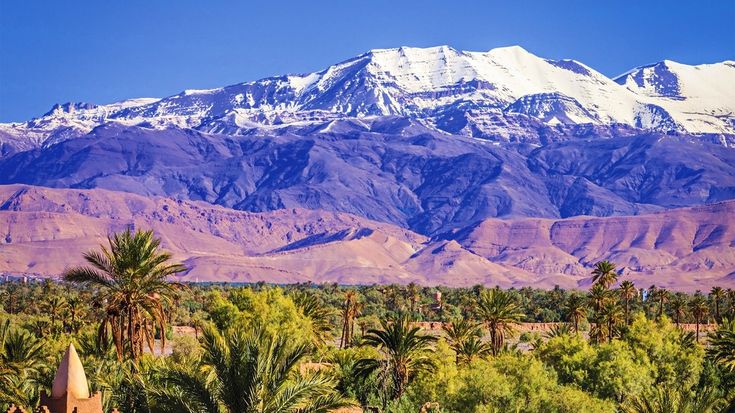
The rugged landscapes of the Atlas Mountains are not only famous for dramatic scenery and ancient villages but also for a rich culinary heritage shaped by centuries of tradition. Stretching across Morocco, Algeria, and Tunisia, this mountainous region is home to Amazigh communities whose food and hospitality remain deeply connected to family, agriculture, and cultural identity.
Visitors are often welcomed with warmth, generous meals, and customs that reflect a strong sense of community. Traditional cooking methods, local ingredients, and shared dining experiences make life in the mountains unique and unforgettable.
The Importance of Food in Mountain Life
Food plays a central role in daily life throughout the region. Families often grow their own vegetables, raise livestock, and bake bread using traditional clay ovens. Due to the remote nature of many villages, meals are usually prepared from fresh and locally available ingredients. Olive oil, barley, wheat, almonds, figs, dates, and seasonal vegetables form the foundation of many dishes.
Communal eating is an important social tradition. Meals are often shared from a single large plate, symbolizing unity and respect among family members and guests. Eating together strengthens social bonds and reflects values of generosity and cooperation that have been passed down through generations.
Traditional Bread and Grains
Bread is considered essential in every household. In many villages of the Atlas Mountains, women wake early to knead dough and bake round loaves in wood-fired ovens. Homemade bread is served with almost every meal and is often used instead of utensils for scooping food.
Barley and wheat are widely cultivated in mountain terraces. Barley soup is especially popular during cold winter months because it provides warmth and energy. Couscous, another staple dish, is traditionally prepared on Fridays and during celebrations. Steamed grains are topped with vegetables, chickpeas, and tender meat, creating a flavorful and filling meal enjoyed by the entire family.
Famous Tagines and Slow-Cooked Meals
One of the most recognizable dishes from the region is tagine, named after the clay pot in which it is cooked. Slow cooking over charcoal allows flavors to develop gradually, resulting in rich and aromatic meals. Lamb with prunes, chicken with preserved lemons, and vegetable tagines are among the most common varieties.
In mountain villages, tagines are often prepared for guests as a sign of respect and welcome. The use of spices such as cumin, saffron, ginger, and cinnamon gives the dishes a distinctive taste without overwhelming the natural flavors of the ingredients. Cooking slowly also reflects the relaxed pace of traditional life, where meals are meant to be enjoyed over long conversations with family and visitors.
Tea Culture and Hospitality
Hospitality is one of the defining characteristics of communities in the Atlas Mountains. Guests are rarely allowed to leave without sharing tea or a meal. Mint tea, often called Moroccan whiskey by locals, is served throughout the day and holds deep cultural importance.
Tea preparation itself is considered an art. Green tea leaves are mixed with fresh mint and generous amounts of sugar before being poured from a height into small glasses. This pouring technique creates a light foam on top and symbolizes care and respect for guests. Offering tea is more than a simple refreshment; it represents friendship, trust, and openness.
Visitors to mountain homes are frequently welcomed with nuts, dates, bread, and olive oil alongside tea. Even families with limited resources take pride in offering the best they have to guests. Refusing hospitality may even be considered impolite in some communities.
Seasonal Ingredients and Local Agriculture
The harsh mountain climate has shaped agricultural practices for centuries. Farmers carefully use terraces and irrigation channels to grow crops on steep slopes. Seasonal eating remains common because fresh produce depends on the weather and harvest cycles.
During spring and summer, meals often include fresh herbs, tomatoes, zucchini, and beans. Autumn brings olives, walnuts, apples, and pomegranates, while winter dishes become heavier and more warming. Dried fruits and preserved foods are important during colder months when access to fresh produce becomes limited.
Goat and sheep farming also contribute to local cuisine. Meat is typically reserved for special occasions or honored guests, making shared meat dishes especially meaningful within families and communities.
Celebrations and Festive Meals
Food becomes even more significant during weddings, religious festivals, and harvest celebrations. Large communal feasts are prepared to bring entire villages together. Couscous, roasted lamb, sweet pastries, and honey-based desserts are commonly served during these events.
Special occasions often involve music, storytelling, and traditional dancing alongside shared meals. Women usually spend days preparing food for celebrations, highlighting the importance of hospitality and collective effort. These gatherings strengthen family ties and preserve cultural traditions that have survived for generations.
Religious holidays also influence culinary traditions. During Ramadan, families gather each evening to break the fast with soup, bread, dates, and sweet pastries. Sharing food with neighbors and travelers is viewed as an important act of kindness and spirituality.
Traditional Cooking Methods
Cooking methods in the Atlas Mountains remain closely linked to ancestral practices. Clay ovens, open fires, and handmade cookware are still used in many rural homes. Slow cooking helps conserve fuel while enhancing flavor and tenderness.
Many recipes are passed down orally from mothers to daughters, preserving traditional knowledge that may not exist in written form. Handmade butter, locally pressed olive oil, and freshly ground spices continue to play an important role in home cooking.
These traditional methods not only preserve flavor but also connect families to their cultural heritage. Preparing food is often seen as an expression of love, patience, and respect for both guests and ancestors.
The Cultural Meaning of Hospitality
Hospitality in mountain communities goes beyond serving food. It reflects deeply rooted values of honor, generosity, and mutual support. Travelers crossing remote areas historically depended on the kindness of local families for shelter and nourishment. This tradition continues today, especially in small villages where community relationships remain strong.
Guests are commonly treated with great respect regardless of social status or background. Sharing meals helps create trust and friendship between people from different cultures. Many visitors remember not only the beauty of the mountains but also the warmth and kindness they experienced in local homes.
Conclusion
Traditional cuisine and hospitality remain at the heart of life in the Atlas Mountains. From freshly baked bread and slow-cooked tagines to mint tea shared among friends, every meal tells a story of culture, resilience, and community.
Local ingredients, ancestral cooking methods, and generous hospitality continue to shape daily life in the region. For travelers, experiencing these traditions offers a deeper understanding of the people who have preserved their heritage among the mountains for centuries.