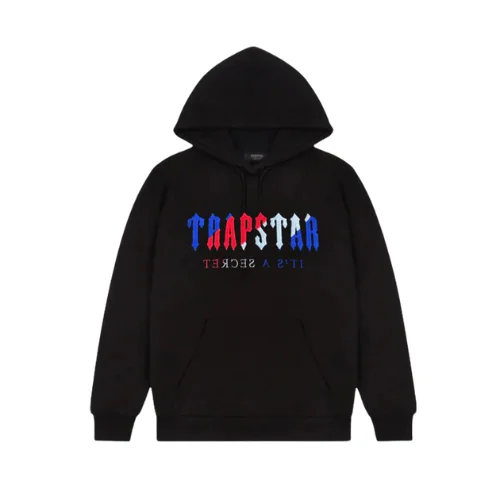
Trapstar: The Streetwear Movement That Turned Attitude Into Style
Trapstar has become a recognizable name within modern streetwear, representing a style built around confidence, creativity, and urban culture. Its appeal comes from more than clothing alone. Streetwear has always been closely connected to music, art, community, and self-expression, and Trapstar reflects those influences through an aesthetic that feels bold without needing to follow traditional fashion rules. The brand’s visual identity has helped demonstrate how independent streetwear can develop a powerful cultural presence when clothing connects with the people who wear it. Rather than presenting fashion as something distant or formal, Trapstar belongs to a world where garments are part of everyday life and personal identity. Hoodies, jackets, T-shirts, tracksuits, and other casual pieces can become statements of attitude, allowing wearers to communicate confidence while remaining comfortable.
From Underground Energy to Global Recognition
The story of contemporary streetwear is filled with brands that began with a strong connection to local culture before gaining wider attention. Trapstar is often associated with that journey. Its aesthetic carries the energy of underground creativity while fitting naturally into a much larger international fashion conversation. This transition is significant because streetwear has changed the traditional relationship between fashion labels and their audiences. Instead of depending entirely on established fashion institutions, independent brands can build communities through distinctive designs and cultural relevance. Trapstar demonstrates how an identifiable visual language can travel beyond its original environment and become recognized by people in different cities and countries. The result is a brand identity that feels connected to the streets while participating in the global growth of urban fashion.
What Makes Trapstar Clothing Stand Out
The visual strength of Trapstar comes from its ability to make casual clothing feel immediately recognizable. Strong graphics, distinctive lettering, dark palettes, contrasting details, and confident branding can transform familiar garments into statement pieces. This approach is particularly effective in streetwear because people often want clothing that feels individual without becoming difficult to wear. A graphic hoodie, for example, can be paired with simple trousers and sneakers while still giving the entire outfit a clear personality. The same principle applies to jackets, T-shirts, and tracksuits. Rather than relying on complicated silhouettes, streetwear often creates impact through identity and detail. Trapstar fits this philosophy by using visual elements that can make everyday clothing feel more connected to contemporary urban culture.
The Influence of Music and Youth Culture
Music has played an enormous role in shaping streetwear, and Trapstar exists within that wider relationship between sound, fashion, and identity. Musicians and creative communities have historically used clothing to communicate where they come from, what they believe in, and what influences them. As music became increasingly global through digital platforms, fashion connected to those scenes also gained wider visibility. Streetwear brands could suddenly reach audiences far beyond their local neighborhoods. Trapstar’s cultural appeal can be understood through this relationship between clothing and creative expression. A hoodie or jacket can become more than an item of clothing when it appears within music videos, performances, photographs, or everyday scenes associated with a particular community. Fashion and music therefore reinforce each other, creating cultural recognition that goes beyond traditional advertising.
Trapstar Hoodies and Everyday Street Style
The hoodie remains one of the most important garments in modern streetwear because it combines comfort with visual presence. Trapstar hoodies can fit easily into this environment, offering a foundation for casual outfits while allowing graphics and branding to become part of the overall appearance. A hoodie can be styled with denim for a classic combination or paired with cargo trousers for a more utility-inspired look. Joggers can create a relaxed tracksuit-style aesthetic, while a jacket layered over the hoodie can introduce additional structure. The versatility of this garment is one of its greatest strengths. People can wear the same hoodie in different ways depending on their personal style, making it useful beyond a single trend or occasion.
Building a Trapstar-Inspired Outfit
Creating a strong streetwear outfit does not necessarily require wearing several statement pieces at once. In fact, balance can make an outfit feel more intentional. A bold Trapstar top can work particularly well with understated trousers and clean sneakers, allowing the central design to remain visible. Alternatively, someone who prefers a more coordinated appearance might combine complementary tones across a hoodie, trousers, and outerwear. Accessories can add personality, but they should support the overall look rather than compete with it. This approach reflects one of the most appealing aspects of modern streetwear: there is no single correct way to style a garment. Personal interpretation matters more than following a fixed formula.
The Power of Branding in Streetwear
Branding has a special role in streetwear because logos and graphics can become cultural symbols. In traditional fashion, branding might be subtle, but streetwear often treats visual identity as part of the design itself. A recognizable emblem, phrase, or graphic can immediately communicate an association with a particular community or aesthetic. Trapstar’s strong visual identity demonstrates how branding can contribute to the emotional appeal of clothing. People may choose a garment not only because they like its shape or fabric but because the design represents a particular attitude. This is one reason streetwear can create unusually strong connections between brands and audiences. Clothing becomes a way to participate in a cultural language.
Quality and Everyday Wearability
While visual identity attracts attention, comfortable construction remains important for clothing intended for regular use. Streetwear garments are often worn repeatedly, meaning fabric, stitching, fit, and finishing can all influence the overall experience. A hoodie needs to feel comfortable during everyday activities, while a jacket should be practical enough to work as part of a regular wardrobe. Modern shoppers increasingly look beyond photographs and consider whether clothing fits their lifestyle. This makes versatility especially valuable. Trapstar’s position within casual fashion highlights the importance of garments that can move between different environments while maintaining a recognizable aesthetic. The strongest pieces are often those that become natural parts of someone’s wardrobe rather than items reserved for special occasions.
Why Trapstar Continues to Matter
The fashion industry changes quickly, but cultural identity can give a streetwear label lasting relevance. Trapstar’s continued recognition reflects the broader strength of urban fashion, where authenticity, community, and self-expression remain important. Trapstar μπουφαν Trends may influence colors, silhouettes, and styling techniques, but the desire to wear clothing that communicates personality is much more enduring. This helps explain why streetwear continues to evolve without losing its original connection to youth culture and creative communities. Trapstar represents that balance between changing fashion and recognizable identity, giving its aesthetic a place within a larger movement rather than treating every collection as an isolated trend.
The Future of Trapstar and Urban Fashion
As streetwear continues to develop, its relationship with music, digital culture, and global communities will likely become even stronger. Social media allows people to discover styles from different cities almost instantly, while online communities make it easier for independent fashion movements to reach international audiences. At the same time, consumers increasingly value individuality and want garments that feel connected to something beyond seasonal trends. Trapstar is positioned within this changing environment because its identity is rooted in a recognizable urban aesthetic. The future of the brand and streetwear as a whole will likely involve experimentation while preserving the cultural elements that made these styles influential in the first place.
Final Thoughts
Trapstar represents more than a collection of casual garments. It reflects the way modern streetwear has developed into a cultural language shaped by music, creativity, community, and individual expression. Its bold visual identity gives familiar pieces such as hoodies, jackets, T-shirts, and tracksuits a stronger personality, while their everyday versatility keeps them relevant to contemporary wardrobes. The lasting attraction of Trapstar comes from this combination of attitude and accessibility. As fashion continues to become more personal and connected to global culture, streetwear brands with distinctive identities will continue to influence how people dress and express themselves. Trapstar’s journey illustrates exactly why urban fashion has become such a powerful part of modern style.