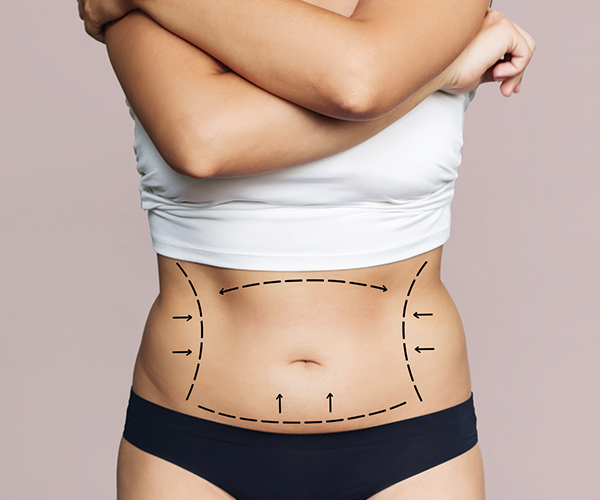
For many people, achieving a flatter, firmer abdomen is not simply about losing weight. Pregnancy, ageing, significant weight changes, and genetics can all affect the shape of the midsection in ways that diet and exercise alone cannot fully correct. Loose skin, weakened abdominal muscles, and stubborn fullness around the stomach can remain even after a healthy lifestyle has been established. This is why Tummy tuck dubai has become a popular option for patients looking to restore abdominal contour and feel more confident in their body.
A tummy tuck, also known as abdominoplasty, is one of the most sought-after body contouring procedures because it can address several concerns at once. It is designed to remove excess skin, tighten the abdominal wall, and create a smoother, more toned appearance across the midsection. For some patients, the goal is to reverse the changes caused by pregnancy. For others, it is about completing a weight-loss journey or addressing skin laxity that has developed over time.
If you are researching the Best tummy tuck dubai options, it is important to understand that this procedure is not simply about appearance. In the right patient, it can also improve comfort, posture, clothing fit, and overall body confidence. However, as with any surgery, the best outcomes depend on realistic expectations, careful planning, and choosing an experienced surgeon who understands both aesthetics and safety.
For patients considering treatment with Dr. Shahram Sajjadi, learning about the benefits, the procedure itself, and the long-term results can help make the decision clearer. This guide explains what a tummy tuck involves, who may benefit from it, what recovery is like, and what kind of lasting results patients can realistically expect.
What Is a Tummy Tuck?
A tummy tuck is a surgical body contouring procedure that improves the appearance of the abdomen by removing excess skin and fat while tightening the underlying abdominal tissues if needed. Although it is often associated with cosmetic enhancement, it is more accurately described as a contouring procedure rather than a weight-loss treatment.
A tummy tuck may help correct concerns such as:
- Loose or hanging skin after pregnancy or weight loss
- A protruding lower abdomen
- Weak or separated abdominal muscles
- A persistent “apron” of skin in the lower stomach
- Loss of abdominal definition despite healthy eating and exercise
Depending on the patient’s anatomy, the procedure may involve a mini tummy tuck, a full tummy tuck, or an extended approach. Some patients may also have liposuction combined with surgery to improve shaping around the waist and flanks.
Why Patients Consider Tummy Tuck Surgery
The abdomen is one of the most common areas to hold onto visible changes after pregnancy, ageing, or weight fluctuations. Even people who maintain a healthy weight may notice that the stomach no longer looks as firm as it once did. This is often because the problem is not simply excess fat. It may involve stretched skin, weakened connective tissues, or separation of the abdominal muscles.
Patients often consider Tummy tuck dubai for reasons such as:
- The stomach still looks loose or bulging despite exercise
- The lower abdomen overhangs in clothing
- Pregnancy has left the abdominal wall weak or separated
- Weight loss has resulted in loose skin that does not shrink back
- The abdomen feels out of proportion with the rest of the body
- The patient wants to improve body confidence and clothing fit
For many people, the procedure is not about chasing perfection. It is about addressing a physical concern that has not responded to lifestyle efforts and feeling more comfortable in their own body.
The Main Benefits of a Tummy Tuck
A tummy tuck can offer a combination of cosmetic and practical benefits when performed for the right reasons.
A flatter, firmer abdominal contour
This is the benefit most people think of first. By removing loose skin and tightening the abdominal wall where appropriate, a tummy tuck can create a smoother and more toned midsection.
Improvement in loose skin after pregnancy or weight loss
When the skin has been stretched significantly, it may not retract on its own. Surgery can remove the excess tissue and improve the overall shape of the abdomen.
Tightening of weakened abdominal muscles
Some patients develop muscle separation, often after pregnancy, which can contribute to a rounded or protruding abdominal appearance. Repairing the abdominal wall can improve both shape and core support.
Better clothing fit
Many patients say they feel more comfortable in fitted clothing, dresses, swimwear, or trousers after tummy tuck surgery because the lower abdominal bulk or overhang has been reduced.
Improved confidence in body shape
While surgery is not a substitute for self-esteem, it can help patients feel that their body more accurately reflects their efforts and health goals.
Reduction in discomfort from excess skin
In patients with more significant skin laxity, removing overhanging skin may reduce rubbing, irritation, and the inconvenience caused by skin folds.
Who Is a Good Candidate for a Tummy Tuck?
Not everyone who dislikes their abdomen needs a tummy tuck. The best candidates are usually those who have specific concerns that surgery is designed to address and who are in good enough health for the procedure.
You may be a suitable candidate if:
- You have loose skin or abdominal laxity after pregnancy or weight loss
- You are close to a stable, maintainable weight
- You are generally healthy and medically fit for surgery
- You have realistic expectations about what surgery can achieve
- You do not plan major future weight changes
- You understand that tummy tuck surgery involves a scar and recovery period
A tummy tuck is not designed as a substitute for weight loss. If the main issue is excess body fat rather than skin laxity or abdominal wall weakness, your surgeon may recommend a different approach or advise waiting until your weight is more stable.
Types of Tummy Tuck Procedures
Tummy tuck surgery is not one-size-fits-all. The right technique depends on the amount of skin excess, whether muscle tightening is needed, and where the concerns are located.
Mini tummy tuck
A mini tummy tuck focuses mainly on the area below the belly button. It may be suitable for patients with mild lower abdominal skin laxity and minimal muscle separation.
Full tummy tuck
A full tummy tuck is the most common option for patients with moderate to significant loose skin, especially after pregnancy or weight loss. It usually addresses both the upper and lower abdomen and may include muscle repair.
Extended tummy tuck
An extended tummy tuck is designed for patients with more extensive skin excess that extends toward the flanks or sides of the waist. This is often relevant after major weight loss.
Your surgeon will recommend the most suitable option based on your anatomy and goals rather than a generic template.
What Happens During the Tummy Tuck Procedure?
If you are looking into the Best tummy tuck dubai options, it helps to understand what the surgery actually involves. While the exact details vary from patient to patient, a typical tummy tuck follows a structured process.
Anaesthesia and preparation
The surgery is usually performed under general anaesthesia. Before the procedure begins, the surgical team will review your plan and prepare the treatment area.
Incision placement
A horizontal incision is usually made low on the abdomen, positioned so it can often be hidden beneath underwear or swimwear. In a full tummy tuck, a second incision around the belly button may also be needed so the skin can be redraped properly.
Muscle repair if required
If the abdominal muscles have separated or the abdominal wall has become lax, the surgeon may tighten the tissues internally to create a flatter, firmer core.
Removal of excess skin and contouring
Loose skin is carefully removed, and the remaining skin is repositioned to create a smoother abdominal contour. If liposuction is included, it may be used to improve shaping around the abdomen or flanks.
Closure and dressings
Once the desired contour has been achieved, the incisions are closed and dressings are applied. A compression garment is often used to support healing and reduce swelling.
Combining Tummy Tuck with Other Procedures
A tummy tuck is sometimes performed on its own and sometimes combined with other contouring procedures, depending on the patient’s goals. Common combinations may include liposuction or elements of a post-pregnancy body contouring plan.
For example, patients who have fullness around the waist as well as loose abdominal skin may benefit from liposuction to refine the surrounding shape. Others who have experienced major body changes after pregnancy may discuss a broader plan that addresses multiple areas, although this depends entirely on individual suitability and surgical safety.
A consultation with Dr. Shahram Sajjadi is the best place to determine whether a standalone tummy tuck or a combined approach is more appropriate.
Recovery After Tummy Tuck Surgery
Recovery is a key part of the tummy tuck journey, and planning for it properly is essential. Tummy tuck surgery involves more downtime than some smaller cosmetic procedures because it addresses both skin and deeper tissues.
In the first days after surgery, it is normal to experience:
- Swelling and bruising
- Tightness across the abdomen
- Temporary difficulty standing fully upright
- Mild to moderate discomfort
- Fatigue and reduced mobility
- A need to rest and avoid strain
Patients usually need help at home in the early recovery period, especially if they have young children or a physically demanding daily routine. Most people take time away from work, and strenuous exercise is avoided for a period recommended by the surgeon.
Wearing compression garments, walking gently when advised, staying hydrated, and following postoperative instructions carefully all help support healing.
How Long Does It Take to See Results?
One of the most common questions patients ask is how soon they will see the final outcome. Some improvement in abdominal contour is visible early, but the result continues to evolve as swelling settles and tissues heal.
Early stage
In the first few weeks, the abdomen may already look flatter, but swelling can obscure the finer contour.
Medium-term healing
Over the next several weeks and months, swelling gradually reduces and the abdominal shape becomes more refined. The scar also begins its longer process of maturing.
Long-term result
Most patients appreciate the main result within a few months, but the final settled appearance and scar maturation can continue improving over time.
Patience is important. A tummy tuck delivers a visible transformation, but it is still a surgical process, and the body needs time to heal fully.
What Long-Term Results Can You Expect?
For the right patient, tummy tuck surgery can produce long-lasting improvements in abdominal contour. Once excess skin has been removed and the abdominal wall has been repaired, those structural changes are not temporary in the same way that weight fluctuations are. However, long-term results still depend on how well the patient maintains their body after surgery.
A smoother abdominal profile
The most obvious long-term result is a flatter, firmer abdominal contour with less skin laxity and improved shape.
More confidence in fitted clothing
Patients often feel more comfortable wearing clothes that previously highlighted loose skin or lower abdominal fullness.
Better proportion between the abdomen and the rest of the body
By addressing excess skin and contour irregularities, the abdomen may look more balanced in relation to the waist, hips, and upper body.
Lasting improvement if weight remains stable
Results can last for many years if you maintain a healthy lifestyle and avoid major weight fluctuations.
Stronger abdominal support when muscle repair is performed
In suitable cases, muscle repair can improve abdominal support and reduce the appearance of central bulging.
What Can Affect the Longevity of Tummy Tuck Results?
Although tummy tuck results can be long-lasting, they are not immune to future changes. Several factors influence how well the result holds up over time.
Weight changes
Significant weight gain or loss after surgery can stretch the tissues again and affect abdominal contour.
Pregnancy after surgery
Pregnancy can alter the muscles and skin of the abdomen, which is why many surgeons recommend waiting until childbearing is complete before having a tummy tuck.
Ageing and skin quality
Natural ageing continues after surgery, and while the result remains improved, tissues may still change gradually over time.
Lifestyle habits
A stable weight, regular exercise, good nutrition, and not smoking all help support a longer-lasting result.
Is Tummy Tuck Worth It After Pregnancy or Weight Loss?
For many patients, the answer is yes, provided their concerns are the type that tummy tuck surgery is meant to treat. If the main issue is loose skin, muscle separation, or a lower abdominal bulge that has not improved with exercise, surgery can offer a level of change that lifestyle measures alone cannot achieve.
That said, the procedure is a personal decision. It involves a scar, a recovery period, and a commitment to aftercare. The key is deciding whether the expected improvement is meaningful enough to you to justify the process.
Patients researching Tummy tuck dubai often find that the procedure is most satisfying when they approach it with realistic expectations and a clear understanding of both the benefits and the recovery involved.
Choosing the Right Surgeon Matters
A tummy tuck is not just about removing skin. It is about reshaping the abdomen in a way that looks balanced, heals well, and suits the patient’s anatomy. Scar placement, contour planning, muscle repair, and patient selection all play an important role in the final result.
If you are looking for the Best tummy tuck dubai care, choosing an experienced surgeon is one of the most important decisions you can make. A good consultation should include a careful assessment of your abdominal tissues, skin quality, weight history, and goals. It should also include an honest discussion about what surgery can and cannot achieve.
For patients considering Dr. Shahram Sajjadi, this stage is where a personalised surgical plan can be built around your anatomy, your concerns, and the type of result you want to achieve.
Conclusion
A tummy tuck can be a highly effective way to improve abdominal contour when loose skin, weakened muscles, or post-pregnancy changes have not responded to diet and exercise alone. For the right patient, Tummy tuck dubai offers more than a cosmetic improvement. It can restore comfort, improve the fit of clothing, strengthen confidence, and help the body better reflect the effort already invested in health and fitness.
Understanding the benefits, the procedure details, and the long-term expectations is essential before moving forward. A tummy tuck is not a weight-loss solution, and it does involve recovery and scarring, but for suitable candidates it can deliver lasting and meaningful change. If you are exploring the Best tummy tuck dubai options, a consultation with Dr. Shahram Sajjadi can help you determine whether this procedure is right for your anatomy, goals, and long-term plans.
FAQs
What does a tummy tuck do?
A tummy tuck removes excess abdominal skin, improves contour, and may tighten the abdominal wall if needed. It is designed to create a flatter, firmer-looking midsection.
Is a tummy tuck the same as liposuction?
No. Liposuction removes fat, while a tummy tuck removes loose skin and may repair weakened abdominal muscles. In some cases, the two procedures can be combined.
Who is a good candidate for tummy tuck surgery?
Good candidates are usually people with loose abdominal skin, weakened abdominal muscles, or a lower abdominal bulge after pregnancy or weight loss, and who are at a stable weight.
How long does recovery from a tummy tuck take?
Initial recovery takes several weeks, but the abdomen continues to settle over a longer period. Your surgeon will advise when you can return to work, exercise, and normal activities.
Will I have a scar after a tummy tuck?
Yes. A tummy tuck does leave a scar, usually placed low on the abdomen so it can often be hidden under underwear or swimwear. The exact scar length depends on the amount of correction required.
Can a tummy tuck help after pregnancy?
Yes, many patients choose a tummy tuck after pregnancy to address loose skin, stretched abdominal muscles, and changes that do not improve with exercise alone.
How long do tummy tuck results last?
Results can last for many years if you maintain a stable weight and healthy lifestyle. Future pregnancy or major weight changes can affect the outcome.
Is tummy tuck surgery painful?
Some discomfort, tightness, and swelling are expected after surgery, especially in the first days. Pain is usually managed with medication and gradually improves as healing progresses.
Can I lose weight with a tummy tuck?
A tummy tuck is not a weight-loss procedure. It may remove some skin and a small amount of tissue, but its main purpose is contouring rather than reducing body weight.
When will I see the final results of my tummy tuck?
You will notice an improvement early on, but swelling takes time to settle. The abdomen continues refining over the following weeks and months as healing progresses.