Stand alone power systems operate independently from the central electricity grid, making them an ideal solution for locations where grid connectivity is unavailable or impractical. These systems are designed to generate, store, and supply energy on-site, ensuring a consistent power supply without relying on external infrastructure. They commonly utilise renewable energy sources, such as solar or wind power, to produce electricity. Such systems are particularly valuable in remote or rural areas, where access to conventional grid power may be limited. By integrating energy storage capabilities, stand-alone power systems can provide electricity even during periods of low energy production. This combination of generation and storage ensures that essential energy needs are met, regardless of location or grid access. Their versatility makes them suitable for a variety of residential, commercial, and industrial applications across diverse environments.
Components of Stand-Alone Power Systems
Stand-alone power systems consist of various components working together to generate, manage, and store energy. Energy production typically involves renewable sources such as solar panels or wind turbines, which convert natural resources into electrical power. An inverter plays a vital role in transforming the raw electricity into a usable form suitable for appliances and equipment. Batteries serve as the storage component, retaining excess energy for use during periods of low generation.
Charge controllers regulate the flow of energy between the system’s components, ensuring optimal performance and preventing overcharging or damage to batteries. Additional equipment, such as mounting structures for solar panels or safety mechanisms, may be included depending on the system’s design. The integration of these components ensures that energy needs are reliably met while maintaining operational efficiency across various conditions and settings.
Benefits of Stand Alone Power Supply Systems
Stand alone power supply systems present notable benefits by fostering energy autonomy and enhancing reliability. These systems are particularly advantageous in regions where access to conventional grid electricity is inconsistent or unavailable. By utilising local energy generation, they minimise dependence on centralised infrastructure, offering a consistent and uninterrupted power source. Their design often allows integration with renewable energy technologies, contributing to environmental sustainability by reducing carbon emissions.
Additionally, stand-alone systems can mitigate the risk of power interruptions caused by grid outages, ensuring continued functionality in critical scenarios. They can also support energy access in remote locations, enabling operations and services to thrive in otherwise inaccessible areas. The combination of adaptability and reduced environmental impact highlights the practical value of stand-alone systems in meeting diverse energy requirements across residential, commercial, and industrial sectors.
Types of Stand-Alone Power Systems
Stand-alone power systems are available in various configurations, tailored to meet specific energy needs and environmental conditions. Solar-powered systems are commonly chosen for their ability to harness abundant sunlight, making them suitable for regions with high solar exposure. Wind-driven systems, on the other hand, are more effective in areas with consistent wind patterns.
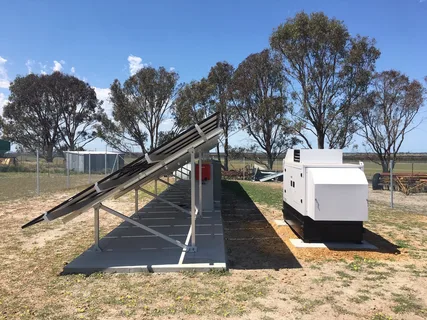
Hybrid systems combine multiple renewable energy sources, such as solar and wind, to enhance reliability and efficiency by compensating for fluctuations in individual resource availability. In certain cases, diesel generators may be incorporated as a supplementary energy source, providing backup power during extended periods of low renewable energy production.
The selection of a suitable system depends on factors such as geographical location, resource availability, and the scale of energy requirements, allowing for a tailored approach to achieving consistent and efficient energy production.
Installation Considerations for Stand-Alone Power
The installation of stand-alone power systems requires thorough planning to ensure optimal performance and efficiency. Site assessment is a crucial step, taking into account factors such as local climate, geographical features, and potential obstructions that may impact energy generation. Equipment placement must be carefully determined to maximise exposure to renewable energy sources, such as sunlight or wind. Proper system sizing is essential to align energy production and storage capacities with anticipated demand.
Additionally, infrastructure such as wiring and mounting structures should be installed to comply with safety standards and support long-term durability. Environmental conditions, including temperature and humidity, may influence the choice of materials and protective measures to safeguard components. Collaboration with professionals during the design and installation process can help ensure that all technical and regulatory requirements are adequately addressed.
Maintenance of Stand Alone Power Systems
Regular upkeep is vital for ensuring the optimal operation and longevity of stand alone power units. Solar panels should be cleaned periodically to maintain their efficiency, removing dust, dirt, or debris that may obstruct sunlight. Wind turbines require inspections to identify any mechanical wear or alignment issues, which can affect performance.
Batteries, as a critical component, need monitoring to avoid over-discharge or overcharge, which can reduce their lifespan. Inverters and controllers should also be tested regularly to verify their functionality and prevent any disruptions in energy conversion or regulation. Routine maintenance not only safeguards the system’s performance but also minimises the likelihood of unexpected breakdowns.
Professionals with expertise in renewable energy systems can assist in performing more complex checks, ensuring all components operate cohesively and meet safety and efficiency standards over the long term.
Cost Implications of Stand Alone Power Supply
The financial aspects of stand alone power supply involves both initial and ongoing costs. Upfront expenses typically include procuring components such as energy generation equipment, batteries, and inverters, as well as professional installation services. However, over time, these systems can lead to significant savings by reducing dependence on traditional electricity grids and minimising energy expenses.
Maintenance costs are generally predictable and often lower compared to grid-based systems, contributing to their cost-effectiveness. In remote areas where grid access is limited or costly, stand-alone systems may present a more economical alternative in the long term. Factors such as system size, energy demand, and the choice of technology play a crucial role in determining the overall financial investment required.
Stand-Alone Power and Renewable Energy
Stand-alone power systems frequently integrate renewable energy sources, offering an environmentally responsible approach to electricity generation. Solar panels and wind turbines are often utilised due to their capacity to harness naturally occurring resources. These systems provide a sustainable solution, reducing dependence on finite fossil fuels and decreasing greenhouse gas emissions. The adaptability of renewable technologies allows stand-alone systems to be tailored to various locations, maximising the use of available natural resources.
Furthermore, innovations in renewable energy technologies are improving efficiency and making these systems more viable for diverse applications. The inclusion of renewable energy within stand-alone systems aligns with global efforts to promote cleaner energy solutions, supporting both environmental preservation and the transition towards sustainable energy practices.
Energy Storage in Stand-Alone Systems
Energy storage plays a critical role in ensuring the reliability and functionality of stand-alone power systems. Batteries are the most commonly used storage medium, enabling the retention of surplus energy generated during periods of high production. This stored energy is then available for use during times when energy generation is insufficient. Various battery technologies, including lithium-ion and lead-acid, are utilised depending on specific requirements such as capacity, cost, and efficiency.
The inclusion of energy storage components allows stand-alone systems to deliver a consistent power supply, even in fluctuating environmental conditions. Advances in battery technology are continually improving storage efficiency and capacity, enhancing the performance and adaptability of these systems for diverse applications in residential, commercial, and industrial settings.
Applications of Stand-Alone Power Systems
Stand-alone power systems serve a wide range of purposes across different industries and environments. They are frequently employed in off-grid locations, such as rural villages, to supply electricity for essential services like healthcare centres and schools. In the telecommunications sector, these systems power critical infrastructure, including remote communication towers. Industrial operations, such as mining sites and agricultural activities, also benefit from their ability to deliver consistent energy in areas with limited access to the main grid.
Furthermore, they are utilised in disaster relief efforts, offering temporary power solutions in emergency scenarios. Their adaptability ensures that various energy demands can be met effectively, supporting numerous sectors in achieving operational reliability and self-sufficiency regardless of geographic or logistical constraints.
Regulations and Standards for Stand-Alone Power
Adhering to established regulations and standards is fundamental in ensuring the safety and efficiency of stand-alone power systems. These guidelines often address electrical system design, installation practices, and environmental considerations, promoting the responsible deployment of such systems.
Compliance ensures that components are installed securely, operate effectively, and minimise potential risks, such as electrical faults or environmental harm. Industry-specific standards may also dictate technical specifications for energy generation and storage equipment.
Meeting these requirements can ensure that systems are suitable for long-term use, while also facilitating access to relevant certifications or permits necessary for legal operation in various jurisdictions.
Future Trends in Stand-Alone Power Technology
Emerging trends in stand-alone power technology focus on improving efficiency, sustainability, and adaptability. Enhanced energy storage solutions, such as solid-state batteries, are being developed to increase capacity and lifespan while reducing environmental impact. Innovations in smart energy management systems are enabling automated optimisation of energy usage, ensuring consistent performance under varying conditions.
The integration of artificial intelligence and machine learning is further refining system efficiency by predicting energy demand and production patterns. Additionally, modular designs are gaining traction, allowing systems to be easily scaled or customised to suit specific applications. These advancements indicate significant potential for the evolution of stand-alone power solutions.
Conclusion
Stand-alone power systems offer an independent, efficient, and sustainable energy solution for properties operating beyond grid infrastructure. By integrating renewable energy sources such as solar and wind with advanced battery storage, these systems provide reliable electricity while reducing environmental impact. Careful planning, proper component sizing, and professional installation ensure long-term functionality tailored to unique power requirements. Routine maintenance further preserves operational performance and extends system longevity. As storage technology and smart energy management evolve, stand-alone power will continue playing a vital role in advancing energy self-sufficiency and sustainable living across Australia.
FAQs
What is a stand-alone power system?
A stand-alone power system operates independently from the main electricity grid, generating and storing its own energy on-site. Utilizing renewable energy sources like solar panels or wind turbines alongside battery storage, it delivers continuous electrical power to residential, commercial, or industrial applications located in off-grid or remote areas.
What are the main components of an off-grid system?
A stand-alone system comprises energy generation sources like solar panels, battery banks for energy storage, an inverter to convert power for household appliances, and a charge controller to regulate battery charging. Essential wiring, mounting hardware, and optional backup generators complete the system configuration to ensure seamless power delivery.
How does energy storage function in stand-alone systems?
Energy storage systems capture surplus electricity generated during peak production periods, such as sunny or windy conditions. This stored energy is safely retained within battery banks and subsequently discharged during periods of low generation or high electricity demand, maintaining an uninterrupted power supply day and night.
Why is professional installation necessary for stand-alone power?
Professional installation guarantees correct system sizing, accurate equipment placement, and full compliance with electrical safety standards. Qualified specialists assess local climate conditions, structural constraints, and load requirements, ensuring that the system operates at maximum efficiency while minimizing potential electrical hazards or system failures throughout Australia.
What routine maintenance do off-grid power systems require?
Routine maintenance involves cleaning solar panels to remove dust and debris, checking wind turbine mechanical components, and monitoring battery performance. Additionally, inspecting inverters, charge controllers, and electrical connections ensures efficient energy transfer, prevents unexpected system downtime, and significantly extends overall operational lifespan.
| Related Business Listings |
| Contact Directory |
| Local Business Profiles |