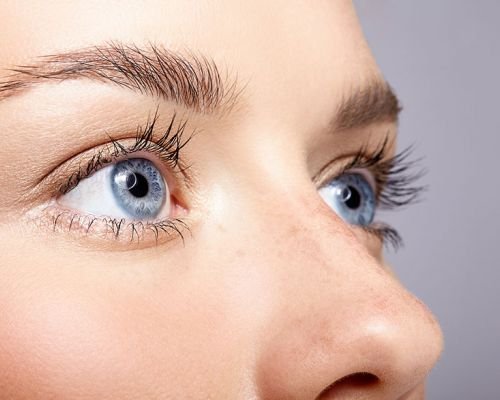
The upper eye area can gradually develop changes that make the eyes appear less open, defined, or refreshed. Excess upper-eyelid skin, changes in the eyelid contour, and alterations in the natural crease can influence the overall appearance of the face. Upper Blepharoplasty in London is a surgical approach designed to address selected changes affecting the upper eyelids while maintaining the individual’s natural facial characteristics.
An upper eyelid procedure is not simply about removing skin. A carefully planned treatment considers the eyelid structure, brow position, facial proportions, and the appearance a person wants to achieve. At a specialist Blepharoplasty Clinic in London, consultation and assessment help determine whether upper eyelid surgery is appropriate and how it can be tailored to the individual.
What Is Upper Blepharoplasty?
Upper blepharoplasty is a surgical procedure that focuses on the upper eyelids. It may involve removing or repositioning carefully selected amounts of excess skin and, where appropriate, addressing underlying tissue that contributes to the appearance of the upper eyelid.
The objective is generally to create a more defined and balanced upper-eyelid contour. Rather than changing the character of the eyes, treatment planning focuses on preserving an appearance that remains consistent with the person’s facial proportions.
Upper Eyelid Surgery In London may therefore be considered by people who feel that changes around their upper eyelids have altered the way their eyes look.
How Can Upper Blepharoplasty Refresh the Upper Eye Area?
The upper eyelids play an important role in facial expression. Even relatively subtle changes in the amount of visible eyelid skin can affect how open and alert the eyes appear.
Upper blepharoplasty can refresh the area by refining the upper-eyelid contour and creating a clearer transition between the eyelid and surrounding facial structures. When planned carefully, the procedure can help produce a neater and more defined appearance while retaining the individual’s natural eye shape.
The refreshing effect may come from several aspects of treatment:
- Refining excess upper-eyelid skin
- Defining the natural eyelid crease
- Creating a smoother upper-eyelid contour
- Improving visual balance between the two upper eyelids
- Maintaining harmony between the eyelids and eyebrows
- Supporting a more refreshed overall facial appearance
The exact approach depends on each person’s anatomy and the changes identified during consultation.
Why Does the Upper Eyelid Change Over Time?
The appearance of the upper eyelid can change for several reasons. As the face develops and ages, skin can gradually become less taut, while underlying tissues may change in position or volume.
Some people naturally have more upper-eyelid skin than others. Genetics, facial structure, brow position, and individual ageing patterns can all influence the appearance of the eye area.
These changes can make the upper eyelid look heavier or less defined. For some individuals, the natural crease may become less visible, while others may notice a greater amount of skin extending towards the eyelid fold.
Understanding these individual characteristics is an important part of planning Upper Blepharoplasty in London.
What Happens During an Upper Blepharoplasty Consultation?
A consultation provides an opportunity to assess the upper eyelids and discuss the person’s expectations. A practitioner or surgeon may examine the eyelid skin, crease, brow position, facial proportions, and overall eye-area structure.
The consultation can also help establish whether the changes are primarily related to the upper eyelid or whether other facial factors contribute to the appearance.
At a Blepharoplasty Clinic in London, treatment planning can be personalised according to the individual’s anatomy. This means there is no single technique or standard amount of tissue that is suitable for everyone.
The discussion may cover the desired appearance, the proposed surgical approach, incision placement, and what the person can expect during the recovery period.
How Is Upper Eyelid Surgery Individually Planned?
Individual planning is central to achieving a natural-looking result. The surgeon considers how much skin is present, where the natural crease sits, and how the upper eyelid relates to the brow and surrounding structures.
The goal is not necessarily to make the eyelids look dramatically different. Instead, treatment can focus on creating a more proportionate and refined appearance.
Factors that may influence planning include:
- Existing eyelid anatomy
- Amount and distribution of upper-eyelid skin
- Natural eyelid crease
- Brow position
- Facial proportions
- Desired degree of refinement
- Existing differences between the two sides
This personalised assessment helps establish an appropriate surgical plan.
Where Are the Incisions Placed?
For upper blepharoplasty, the incision is generally positioned within or close to the natural upper-eyelid crease. This location can allow the resulting line to follow an existing anatomical feature of the eyelid.
The precise position and length of the incision depend on the individual’s anatomy and the amount of refinement required.
Once the incision has healed, its location within the natural fold can help it blend with the surrounding eyelid contours. Surgical planning therefore takes both the functional anatomy and visible appearance of the eyelid into consideration.
What Tissue May Be Addressed During Surgery?
Upper blepharoplasty primarily focuses on excess skin, but treatment may also involve carefully assessing underlying tissues.
Depending on the individual, the surgeon may determine whether adjustments to small amounts of underlying fat or other tissue are appropriate. These decisions are made according to the patient’s anatomy rather than following a fixed formula.
The aim is to create an upper-eyelid contour that looks balanced and proportionate. Removing or adjusting too much tissue is not the objective; careful tissue management is an important part of personalised eyelid surgery.
How Can Upper Blepharoplasty Affect the Eyelid Crease?
The upper-eyelid crease is a prominent feature of the eye area. When excess skin extends over the crease, its definition can become less apparent.
By addressing selected excess skin and carefully planning the incision, upper blepharoplasty can help reveal or refine the natural crease.
The appearance of the crease varies naturally between individuals. Therefore, treatment planning should account for the person’s existing anatomy rather than attempting to create an identical eyelid shape for everyone.
How Does the Procedure Relate to the Brow?
The upper eyelid and eyebrow work together to create the overall appearance of the upper eye area. A change in one structure can influence the visual balance of the other.
For this reason, a consultation for Upper Eyelid Surgery In London may include an assessment of brow position as well as the eyelids.
This helps the surgeon determine whether the appearance is primarily influenced by excess upper-eyelid skin or whether the brow and eyelid relationship also contributes to the overall appearance.
What Can Make the Eyes Look More Refreshed?
A refreshed appearance does not necessarily mean changing the fundamental shape of the eyes. Instead, it can involve creating clearer contours around them.
When excess upper-eyelid skin is carefully addressed, more of the natural eyelid area may become visible. The upper eyelid can appear more defined, while the transition between the eyelid, crease, and brow can look more organised.
The overall effect is influenced by the individual’s facial structure and the extent of the changes being treated.
What Is Recovery Like After Upper Blepharoplasty?
Recovery varies from person to person and depends on the surgical approach and individual healing process. Following the procedure, patients receive specific aftercare guidance from their surgical team.
The early recovery period generally involves allowing the eyelid area time to settle while following instructions regarding activities, cleaning, and follow-up appointments.
Patients should follow the personalised guidance provided by their surgeon rather than comparing their recovery with someone else’s experience. Follow-up appointments also provide an opportunity for the surgical team to monitor healing and answer questions during the recovery process.
When Can the Results Be Appreciated?
The appearance of the eyelids changes progressively as the tissues settle during recovery. The initial appearance should therefore not be considered the final result.
As healing progresses, the upper-eyelid contour can become more settled and defined. The timeframe differs between individuals, so the surgeon can provide more specific guidance based on the procedure performed.
Maintaining realistic expectations is an important part of the consultation process.
Why Choose a Specialist Blepharoplasty Clinic in London?
Choosing an appropriate clinic is an important step when considering eyelid surgery. A specialist setting can provide structured assessment, personalised treatment planning, surgical care, and follow-up.
A Blepharoplasty Clinic in London can assess the eyelids in the context of the whole face rather than treating the upper eyelid as an isolated feature.
For people considering treatment at Bodyvie, the Bodyvie Clinic provides a setting where aesthetic procedures can be discussed with an emphasis on individual assessment and treatment planning.
What Should You Discuss Before Upper Eyelid Surgery?
Before deciding on surgery, it can be helpful to discuss the specific changes you would like to address. You may also want to understand how the proposed procedure is expected to influence your eyelid contour and how the treatment will be adapted to your anatomy.
Useful consultation questions can include:
- What changes can upper blepharoplasty address in my upper eyelids?
- How will my natural eyelid crease be considered?
- Where will the incision be positioned?
- How will my brow and eyelid relationship affect the treatment plan?
- What should I expect during the recovery period?
- When will follow-up appointments take place?
- When should the final appearance be assessed?
A detailed consultation allows expectations and treatment planning to be discussed clearly before proceeding.
Conclusion
Upper Blepharoplasty in London can refresh the upper eye area by refining excess eyelid skin, improving the definition of the upper-eyelid contour, and helping create a more balanced relationship between the eyelid and brow. The procedure is highly individual, with the surgical plan based on the person’s anatomy, facial proportions, and aesthetic goals.
Rather than aiming for a completely different appearance, carefully planned upper eyelid surgery focuses on refining the features that contribute to a heavier or less defined upper-eye area. A consultation at a specialist Blepharoplasty Clinic in London can help determine whether the procedure is suitable and what approach may best match the individual’s features.
FAQs
Is Upper Blepharoplasty the Same as Upper Eyelid Surgery?
Yes. Upper blepharoplasty is commonly used to describe surgery performed to address selected changes in the upper eyelids. The procedure is individually planned according to the patient’s anatomy.
How Does Upper Blepharoplasty Refresh the Eyes?
It can refine excess upper-eyelid skin and improve the definition of the upper-eyelid contour. This may create a more open, organised, and refreshed appearance around the eyes.
Does Upper Blepharoplasty Change the Shape of the Eyes?
The objective is generally to refine the upper eyelid while maintaining natural facial proportions. The exact effect depends on the individual’s existing eyelid anatomy and surgical plan.
Where Is the Upper Blepharoplasty Incision Made?
The incision is generally positioned within or close to the natural upper-eyelid crease. The exact placement depends on the individual’s anatomy and the surgical approach.
How Is Upper Blepharoplasty Planned?
Treatment planning involves assessing the upper-eyelid skin, natural crease, brow position, facial proportions, and the patient’s desired outcome. This allows the procedure to be tailored to the individual.
How Long Does Recovery Take After Upper Blepharoplasty?
Recovery differs between individuals. Your surgeon will provide personalised instructions about healing, daily activities, and follow-up appointments.
When Will I See the Result of Upper Eyelid Surgery?
The appearance develops as the eyelid tissues settle during recovery. The final appearance should be assessed after sufficient healing time, according to your surgeon’s guidance.
How Can I Choose a Blepharoplasty Clinic in London?
Look for a clinic where your eyelids can be individually assessed and where the consultation covers your anatomy, treatment goals, surgical approach, and recovery expectations.