The eyes are one of the most noticeable features of the face, and changes around the upper eyelids can influence overall facial appearance. With age, genetics, and natural changes in skin elasticity, some people develop excess skin or fullness around the upper eyelids. For those considering a more defined and refreshed appearance, Upper Blepharoplasty in London may be an option worth discussing with a qualified specialist.
Upper blepharoplasty is a surgical procedure designed to address excess skin and, where appropriate, underlying tissue around the upper eyelids. The goal is generally to create a more balanced eyelid contour while maintaining the individual’s natural facial characteristics.
But who may actually be suitable for this type of surgery? Suitability is not determined by age alone. A consultation allows a specialist to assess the eyelid structure, skin quality, individual concerns, and overall expectations before recommending an appropriate approach.
What Is Upper Blepharoplasty?
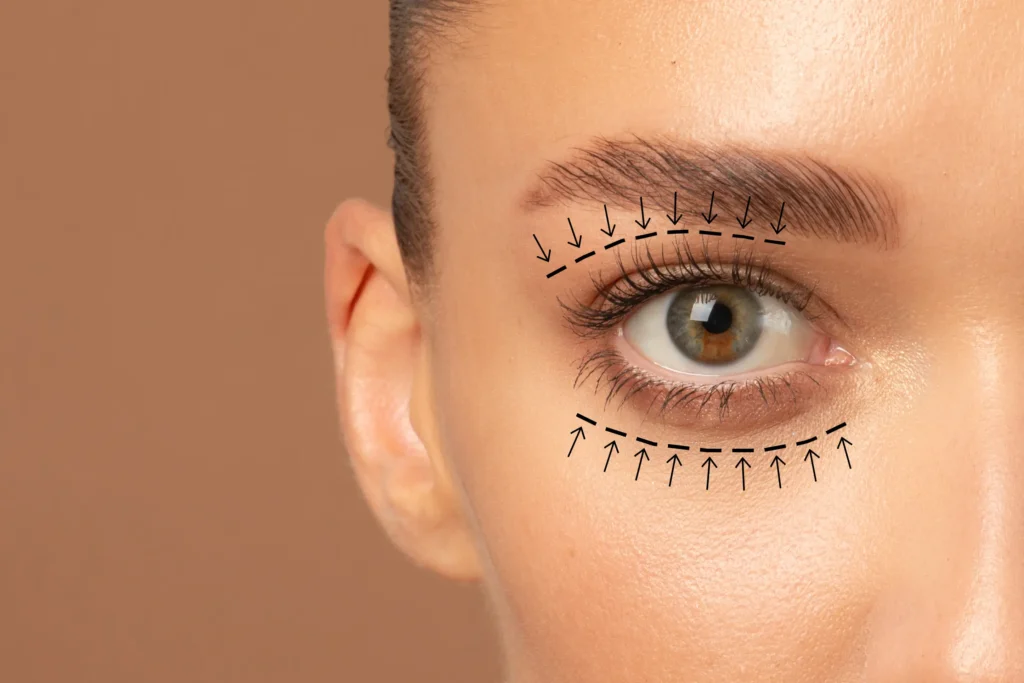
Upper blepharoplasty is a form of eyelid surgery that focuses specifically on the upper eyelids. During the procedure, a surgeon may remove or reposition selected amounts of excess skin and tissue to create a more defined upper eyelid contour.
The treatment is tailored to each individual because eyelid anatomy varies considerably. Some people primarily have excess skin, while others may have additional fullness or changes in the tissues beneath the skin.
An important part of the process is determining how much tissue should be addressed while preserving the natural structure and character of the eyes.
Upper Eyelid Surgery In London can therefore involve careful assessment rather than following a standard surgical template. The consultation is used to understand the patient’s goals and determine whether upper blepharoplasty is appropriate.
Why Do People Consider Upper Eyelid Surgery?
People consider upper eyelid surgery for a variety of reasons. Some may notice changes in their eyelid appearance as they get older, while others may have naturally hooded eyelids due to their genetics.
Common concerns include:
- Excess skin across the upper eyelids
- A heavier or hooded appearance around the eyes
- Changes in the natural eyelid crease
- Fullness around the upper eyelid
- An appearance that makes the eyes look less defined
- A desire for greater balance between the eyelids and surrounding facial features
The motivation for surgery is highly individual. Some people may simply want to refine their appearance, while others may feel that changes around the eyelids have become increasingly noticeable over time.
Who May Be Suitable for Upper Blepharoplasty?
Suitability depends on several individual factors rather than a single characteristic. A person may be considered for upper blepharoplasty when they have concerns that can reasonably be addressed through surgery and have suitable overall circumstances for the procedure.
Adults With Excess Upper Eyelid Skin
Adults who have developed excess skin on the upper eyelids may be suitable candidates. This can occur naturally with ageing, but it can also be influenced by genetics.
The amount and distribution of excess skin are assessed during consultation so the surgeon can determine whether upper blepharoplasty is an appropriate option.
People With Naturally Hooded Eyelids
Some individuals have naturally hooded upper eyelids even when they are relatively young. Genetics can influence eyelid shape, skin distribution, and the position of the natural crease.
For suitable individuals, Upper Eyelid Surgery In London may be considered to refine the upper eyelid contour while taking the person’s existing facial anatomy into account.
Individuals Experiencing Age-Related Eyelid Changes
As the skin gradually loses elasticity, the upper eyelids may appear heavier or more folded. Changes in the underlying tissues can also contribute to alterations in eyelid shape.
Upper blepharoplasty may be considered when these changes are primarily related to excess upper eyelid skin or tissue that can be appropriately addressed through surgery.
People With Realistic Expectations
Having realistic expectations is an important part of suitability. Upper blepharoplasty is intended to improve the appearance of the upper eyelids rather than completely change someone’s identity or facial features.
A good candidate should understand the purpose of the procedure and have a clear but realistic idea of what they would like to achieve.
Individuals Seeking a Personalised Approach
No two sets of eyelids are exactly alike. Factors such as eyelid shape, brow position, skin quality, facial proportions, and natural asymmetry can all influence treatment planning.
A personalised assessment helps determine whether upper blepharoplasty is suitable and what approach may best correspond with the individual’s anatomy.
What Happens During an Upper Blepharoplasty Consultation?
A consultation is an important step in determining suitability for eyelid surgery. At a Blepharoplasty Clinic in London, the specialist can assess the upper eyelids and discuss the concerns that have led the patient to consider surgery.
The assessment may include examining:
- The amount of excess upper eyelid skin
- The position and shape of the eyelid crease
- The distribution of upper eyelid fullness
- Brow position
- Facial proportions
- Existing differences between the two eyelids
- Skin quality and elasticity
- The patient’s desired outcome
The surgeon may also discuss the patient’s general medical background and previous procedures to help establish an appropriate treatment plan.
Rather than deciding suitability from photographs alone, an in-person assessment can provide a more complete understanding of the eyelid anatomy.
Is Age the Main Factor in Suitability?
Age can influence eyelid changes, but it is not the only consideration.
There is no single age at which everyone becomes suitable for upper blepharoplasty. Some people develop prominent upper eyelid skin earlier because of genetics, while others may notice changes later in life.
The more important consideration is whether the person’s concerns are appropriate for the procedure and whether their expectations align with what surgery can realistically achieve.
This is why consultation-based assessment is more useful than using age as the sole deciding factor.
How Is Upper Blepharoplasty Individualised?
Individualisation is particularly important in eyelid surgery because even relatively small changes can influence facial balance.
A surgeon may consider the relationship between the upper eyelid, eyebrow, forehead, and surrounding facial structures when developing a treatment plan. The amount of tissue addressed is also determined according to the individual’s anatomy rather than using the same approach for every patient.
For example, someone with predominantly excess skin may require a different surgical plan from someone whose appearance is influenced by both skin and underlying tissue fullness.
This personalised planning is one of the key stages of Upper Blepharoplasty in London.
What Should You Discuss With Your Surgeon?
Patients can make their consultation more productive by explaining exactly what they would like to change about their upper eyelids.
It can be useful to discuss:
- When you first noticed the change
- Whether the appearance has changed over time
- What you like or dislike about your current eyelid shape
- Whether you prefer a subtle or more noticeable refinement
- Any previous procedures involving the eyes or face
- Your expectations regarding the overall appearance
Bringing photographs that demonstrate your preferred aesthetic direction may also help communicate your goals, although the surgeon will ultimately assess what is appropriate for your individual anatomy.
Choosing a Blepharoplasty Clinic in London
Selecting an appropriate clinic is an important part of the process. Patients considering Upper Eyelid Surgery In London should look for a clinic where consultations are thorough and treatment planning is tailored to the individual.
A suitable clinic should provide clear information about the procedure and allow sufficient time for patients to ask questions and understand the proposed treatment approach.
For people researching treatment options, Blepharoplasty Clinic in London can be an important search term when comparing clinics and learning more about available eyelid procedures.
Bodyvie Clinic provides aesthetic and surgical services, and patients can discuss their individual concerns during a consultation to determine whether upper blepharoplasty may be appropriate for them.
What Can Patients Expect From the Treatment Journey?
The treatment journey generally begins with an initial consultation. During this appointment, the surgeon assesses the eyelids, discusses the patient’s goals, and determines whether surgery is appropriate.
If upper blepharoplasty is recommended, the next stage involves creating an individual treatment plan. The surgical technique is selected according to the patient’s anatomy and the changes being addressed.
Following treatment, patients receive guidance regarding their recovery and follow-up appointments. The appearance of the eyelids continues to settle as the healing process progresses, so patience is an important part of the overall journey.
Why Is Individual Assessment So Important?
Eyelid surgery involves a highly visible part of the face, which makes careful planning particularly important. The same amount of skin removal or tissue adjustment is not appropriate for everyone.
An experienced assessment considers the entire upper facial area rather than focusing only on the loose skin itself. Brow position, eyelid proportions, natural asymmetry, and the patient’s overall facial structure can all contribute to the final treatment plan.
For this reason, suitability should always be established through a professional consultation rather than relying solely on general descriptions of who may qualify for surgery.
Conclusion
Upper Blepharoplasty in London may be suitable for adults who are concerned about excess upper eyelid skin, naturally hooded eyelids, or age-related changes in the upper eyelid contour. However, suitability is individual and cannot be determined by age or appearance alone.
A detailed consultation allows a specialist to examine the eyelids, understand the patient’s goals, assess facial proportions, and determine whether upper blepharoplasty is an appropriate option. For anyone considering Upper Eyelid Surgery In London, choosing a professional Blepharoplasty Clinic in London and taking time to understand the treatment process can help create a clear and personalised plan.
FAQs
Who is generally suitable for upper blepharoplasty?
Adults with concerns such as excess upper eyelid skin, hooded eyelids, or age-related changes may be suitable. A specialist consultation is needed to determine individual suitability.
Can younger adults have upper blepharoplasty?
Yes. Age alone does not determine suitability. Some younger adults may have naturally hooded eyelids or genetically determined excess skin and may wish to explore surgical options.
Is upper blepharoplasty only for older people?
No. Although ageing can contribute to upper eyelid changes, genetics and natural anatomy can also influence eyelid appearance. Suitability is assessed individually.
What happens during an upper eyelid surgery consultation?
The surgeon assesses the eyelid structure, skin, tissue distribution, brow position, facial proportions, and the patient’s goals before developing an appropriate treatment plan.
How do I choose a blepharoplasty clinic in London?
Look for a clinic that offers professional consultations, individualised treatment planning, clear information about the procedure, and appropriate follow-up throughout the treatment journey.
Can upper blepharoplasty change the shape of my eyes?
The procedure primarily addresses selected excess skin and tissue around the upper eyelid. The specific effect depends on individual anatomy and the surgical plan discussed during consultation.
How long does an upper blepharoplasty consultation take?
The duration can vary depending on the individual’s concerns and the complexity of the assessment. The important point is that sufficient time should be allowed to discuss the patient’s goals and treatment options.
Is upper blepharoplasty suitable for everyone?
No. Suitability depends on individual anatomy, expectations, general circumstances, and whether the concerns can appropriately be addressed with upper eyelid surgery. A specialist assessment is essential.
Why is a personalised treatment plan important?
Every person’s eyelid anatomy is different. A personalised plan allows the surgeon to consider factors such as skin distribution, eyelid shape, brow position, and facial proportions when planning treatment.