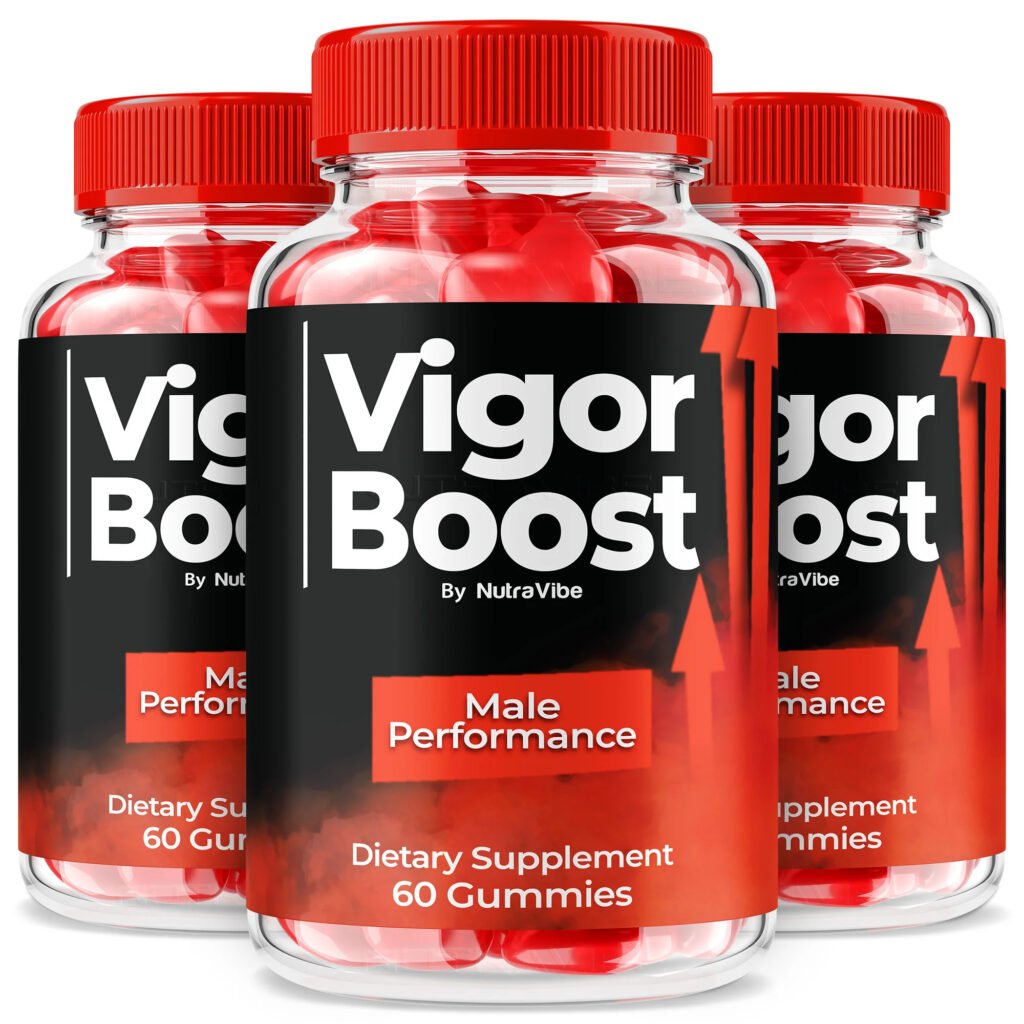
Vigor Boost 2026: A complete guide to supporting everyday energy, vitality, and wellness through healthy lifestyle habits.
Feeling energetic and capable throughout the day is an important part of overall well-being. The idea of a “vigor boost” is often associated with having more energy, maintaining physical vitality, staying mentally alert, and supporting a healthy daily routine.
However, sustainable energy is rarely the result of one quick fix. Sleep, nutrition, physical activity, hydration, stress management, and daily routines can all influence how energetic a person feels. It is also important to distinguish ordinary tiredness from persistent fatigue that may require professional attention.
This guide explains the concept of vigor, the everyday factors that influence energy, and practical ways to support healthy vitality without relying on exaggerated promises.
What Does Vigor Mean?
Vigor generally refers to physical strength, energy, enthusiasm, and vitality. Someone who feels vigorous may have enough energy to participate in everyday activities, concentrate on tasks, and remain physically active.
Vigor is not exactly the same as having constant energy. Everyone experiences periods of tiredness, especially after demanding activities, insufficient sleep, or stressful days.
A realistic approach is therefore to focus on supporting healthy energy levels over time rather than trying to eliminate normal tiredness completely.
What Is a Vigor Boost?
The phrase “vigor boost” can mean different things depending on context. It may refer to:
- Improving everyday energy through healthy habits
- Becoming more physically active
- Supporting better sleep
- Improving concentration and alertness
- Eating balanced meals
- Managing stress effectively
- Creating routines that support overall well-being
The phrase is also sometimes used in marketing for supplements and wellness products. Marketing claims should be considered carefully because a product’s name does not establish that it produces a particular health effect.
Why Energy Levels Change
Energy can fluctuate naturally during the day. Several factors may contribute to these changes.
Sleep
Sleep is one of the foundations of daytime energy. Regularly getting enough sleep can support concentration, mood, learning, and physical performance.
A consistent sleep schedule can be useful because it gives the body a predictable routine. A comfortable sleeping environment and a relaxing bedtime routine can also make it easier to wind down.
Nutrition
Food provides the energy and nutrients needed for everyday activities. A balanced eating pattern can include a variety of fruits and vegetables, grains or other carbohydrate sources, protein-rich foods, and sources of healthy fats.
Skipping meals or relying heavily on highly processed foods may make it more difficult for some people to maintain steady energy.
There is no single food that provides a universal “vigor boost.” Overall dietary patterns matter more than one particular ingredient.
Hydration
Water is essential for normal body function. Not drinking enough fluids can contribute to feeling unwell or less energetic.
Individual fluid requirements vary according to factors such as activity, climate, and diet. Drinking regularly throughout the day is a simple way to support normal hydration.
Physical Activity
Movement can support cardiovascular fitness, muscular strength, coordination, and general well-being.
Physical activity does not have to mean intense exercise. Walking, recreational sports, cycling, dancing, stretching, and other enjoyable activities can all contribute to an active lifestyle.
The goal should be healthy movement rather than exercising excessively in an attempt to achieve a particular appearance or unrealistic level of performance.
Vigor and Mental Energy
Vigor is not purely physical. Mental energy also affects how people experience their day.
Long periods of studying, working, screen use, or concentrating can be mentally tiring. Taking reasonable breaks, changing activities, spending time outdoors, and maintaining a regular sleep schedule can help support a balanced routine.
Stress can also influence perceived energy. When someone is under pressure for a long period, ordinary activities may feel more demanding.
The Role of Stress
Some amount of stress is a normal part of life. However, ongoing stress can interfere with sleep, concentration, mood, and daily routines.
Healthy stress-management strategies can include:
- Taking short breaks during demanding tasks
- Maintaining regular sleep
- Spending time with supportive people
- Participating in enjoyable hobbies
- Getting regular physical activity
- Practicing relaxation or breathing exercises
- Organizing tasks into manageable steps
A “vigor boost” should therefore not be viewed only as something that comes from food or supplements. Improving the circumstances that influence energy can be just as important.
Can One Product Instantly Increase Vigor?
Claims about instant or dramatic increases in energy should be approached carefully.
Some products contain stimulants or other active ingredients that may temporarily change how alert someone feels. Feeling more stimulated, however, is not necessarily the same as improving overall health or reducing the underlying cause of tiredness.
Before using an energy or wellness product, it is important to consider its ingredients, intended age group, potential side effects, and whether it is appropriate for the individual. Young people should not use supplements or stimulant products without guidance from a parent, guardian, doctor, or other qualified healthcare professional.
Building a Sustainable Vigor Routine
A practical approach is to focus on habits that can be maintained consistently.
Start With Sleep
Create a predictable bedtime and wake-up routine. Reduce unnecessary distractions around bedtime and give yourself enough time to sleep.
Eat Regularly and Varied
Rather than searching for a single “energy food,” aim for variety. Different foods provide different nutrients, and balanced meals can support normal growth and daily activity.
Stay Active
Choose forms of movement that are enjoyable. Consistency is generally more useful than pushing yourself through extreme workouts.
Take Breaks
Mental concentration requires recovery as well. Short breaks can make demanding activities easier to manage.
Drink Enough Fluids
Keep water available and drink regularly, particularly when you are active or in hot conditions.
Manage Your Schedule
An overloaded schedule can leave little time for rest. Planning tasks and allowing recovery time can help create a healthier balance.
Visit us – Vigor Boost Official Website
Common Vigor-Boosting Myths
Myth 1: More Stimulation Always Means More Energy
Caffeine and other stimulants can increase alertness temporarily, but stimulation is not the same as restoring the body’s need for sleep or recovery.
Myth 2: One Ingredient Can Solve Persistent Tiredness
Persistent tiredness can have many possible causes. A single ingredient cannot be assumed to address all of them.
Myth 3: Extreme Exercise Creates Better Vigor
More exercise is not automatically better. Recovery is an important part of physical activity, and excessive exercise can be counterproductive.
Myth 4: You Should Never Feel Tired
Tiredness is a normal human experience. After school, work, physical activity, or a busy day, needing rest is not necessarily a sign that something is wrong.
Physical Activity and Vigor
Regular physical activity can contribute to cardiovascular health, muscular fitness, coordination, and general well-being.
Enjoyment matters. Someone who dislikes a particular exercise does not necessarily need to force themselves to do it. Walking, swimming, playing a sport, dancing, cycling, or other recreational movement can all be ways to stay active.
Rest is also important. The aim is to support health, not to exercise continuously.
Recovery Is Part of the Process
A common mistake is treating recovery as wasted time.
After physical or mentally demanding activities, the body and mind need opportunities to recover. Sleep, rest days, nutritious food, hydration, and enjoyable low-pressure activities can all form part of recovery.
If you are constantly exhausted, increasing the intensity of your routine may not be the appropriate response.
How to Evaluate a Vigor Boost Product
If you encounter a product marketed as a “vigor booster,” look beyond its name and advertising.
Check the Ingredients
Look for a complete ingredient list and information about quantities where available.
Be cautious when a product does not clearly explain what it contains.
Examine the Claims
Statements such as “guaranteed energy,” “instant vitality,” or “works for everyone” are strong marketing claims.
Health effects depend on the individual, the ingredient, the amount consumed, and other factors. Marketing language should not automatically be treated as scientific evidence.
Consider Your Age
Not every supplement or energy product is appropriate for children or teenagers. Some products may contain stimulants or ingredients that are unsuitable for younger people.
If you are under 18, talk with a parent, guardian, doctor, pharmacist, or another qualified professional before considering a supplement.
Consider Possible Interactions
Some supplements and stimulants can interact with medicines or other substances.
A healthcare professional can help determine whether a particular product is appropriate.
Look for Reliable Evidence
Evidence from well-designed scientific research is more useful than testimonials or influencer endorsements.
A personal story may describe someone’s experience, but it does not establish that the same result will occur for everyone.
Vigor Boost and Caffeine
Caffeine is widely used because it can increase alertness. However, caffeine is a stimulant, and its effects can vary.
Too much caffeine can cause problems such as difficulty sleeping, restlessness, or a racing heartbeat in some people.
For children and teenagers, caffeinated energy products deserve particular caution. Young people should discuss caffeine and energy products with a parent, guardian, doctor, or qualified healthcare professional.
Using stimulants to compensate for inadequate sleep can also create an unhealthy cycle: poor sleep can lead to tiredness, which may encourage stimulant use, which can then interfere with later sleep.
Conclusion
A genuine vigor boost is better understood as supporting healthy energy and vitality through sustainable habits. Adequate sleep, balanced nutrition, hydration, regular movement, recovery, and stress management all play important roles.
Rather than looking for an instant solution, focus on habits that support your body and mind over time. If unusual or persistent fatigue continues, professional guidance can help identify possible causes.
In Part 2, we will explore practical daily routines, common energy-related mistakes, lifestyle strategies, and how to evaluate “vigor boost” products and claims responsibly.