Finding a hyperbaric oxygen chamber for sale involves more than comparing product prices or choosing a design that looks convenient. Buyers may come across soft-shell lying chambers, upright sitting models, and rigid systems, each with different construction materials, dimensions, pressure specifications, and equipment requirements. Understanding these differences can help make product research more informed.
Warrior Willpower helps customers explore chamber options by reviewing product configurations, technical specifications, and included accessories. Before considering a purchase, it is important to check the manufacturer’s documentation, intended use, regulatory status, and safety requirements. A chamber advertised for personal use should not automatically be considered suitable for home operation or medical treatment.
Understanding the Different Chamber Designs
Hyperbaric chambers are available in several designs, with soft-shell and rigid models being two common categories. Soft-shell versions use flexible materials and may feature horizontal or upright interiors. Their construction, entry systems, dimensions, and operating specifications vary by manufacturer and model.
Rigid chambers use a more solid structure and may involve different engineering, installation, and maintenance requirements. Some are designed for specialized clinical environments rather than ordinary residential settings. Buyers should compare the exact specifications and intended application instead of assuming that one construction type is appropriate for every situation.
Soft-Shell Chambers and Their Main Features
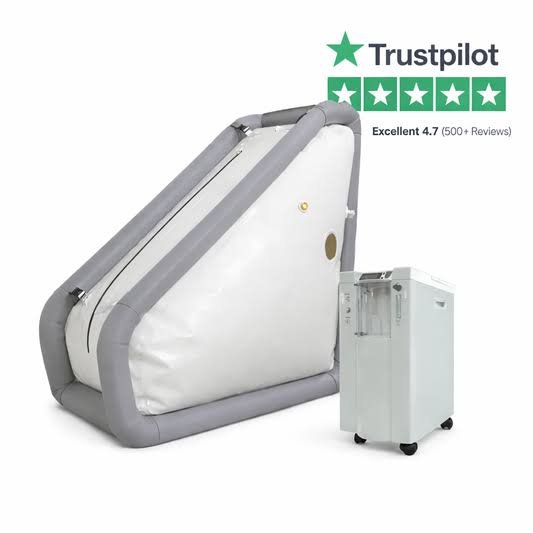
Soft-shell chambers are often marketed with flexible construction and different interior arrangements. Depending on the configuration, a model may include a lying area, an upright seating space, pressure gauges, closures, and supporting equipment. The materials, dimensions, and accessories should be verified through the manufacturer’s official product documentation.
It is also important to understand the limitations of flexible chamber designs. The Undersea and Hyperbaric Medical Society has published a position statement about low-pressure fabric chambers and a consumer warning about non-compliant equipment. Buyers should verify the exact model’s regulatory status and intended use rather than relying only on promotional descriptions.
Sitting and Lying Chamber Configurations
A sitting chamber has an upright interior layout, while a lying model provides a horizontal arrangement. These configurations can differ in usable space, entry access, external measurements, and the room needed for supporting equipment. Product photographs may help illustrate the layout, but official measurements are more useful when planning a setup.
Warrior Willpower encourages customers to compare the complete specifications of each configuration. Check the interior dimensions, entry arrangements, equipment placement, and manufacturer’s operating instructions. A particular design may appear convenient, but its suitability depends on the intended setting and verified product information.
Understanding ATA Pressure Specifications
Chamber listings often describe pressure using ATA, which stands for atmospheres absolute. Normal atmospheric pressure at sea level is approximately 1 ATA. Different products may advertise different operating ranges, so buyers should confirm the exact limits and conditions stated in the manufacturer’s documentation.
A higher pressure rating does not automatically mean better results, greater safety, or suitability for medical treatment. Clinical hyperbaric oxygen therapy follows defined treatment protocols and requires appropriately configured equipment and professional supervision. Anyone considering treatment for a health condition should consult a qualified healthcare professional instead of selecting equipment based only on its advertised ATA rating.
Important Features to Review Before Purchasing
A chamber should be evaluated as a complete system rather than by its appearance or one advertised feature. Buyers should examine construction, dimensions, pressure controls, entry arrangements, operating instructions, and manufacturer support. It is equally important to understand which accessories are included in the quoted package.
Useful details to verify include:
- Construction: Review the materials, seams, closures, and manufacturer’s design specifications.
- Dimensions: Check interior and exterior measurements, total weight, and required clearance.
- Pressure controls: Confirm operating limits, gauges, and documented emergency procedures.
- Supporting equipment: Identify the compressor, hoses, filters, and other supplied components.
- Documentation: Request the operating manual and applicable regulatory information.
- Warranty: Review coverage, exclusions, maintenance responsibilities, and technical support.
Ask the seller for a written specification sheet for the exact model and package. Do not assume that accessories from different systems are interchangeable. Replacement parts and modifications should be confirmed with the manufacturer before any changes are made.
Accessories and Supporting Equipment
Depending on the model, a package may include an air compressor, pressure gauges, hoses, filters, cooling equipment, or other supporting components. Some product descriptions may also list oxygen-related equipment. Package contents can vary by configuration and seller, so an itemized list is important when comparing quotations.
Compatibility should be checked carefully. Supporting components must be designed and approved for the specific chamber and used according to the manufacturer’s instructions. Ask which accessories are essential, which are optional, and whether additional electrical or installation requirements apply. A complete package description helps buyers understand what they are actually purchasing.
Installation, Storage, and Space Requirements
The chamber is only one part of the complete system. Compressors, hoses, electrical connections, and access areas may require additional space. Even a product described as portable may need a dedicated location for setup, operation, and maintenance.
Before making a decision, check the packed dimensions, total weight, storage instructions, and delivery arrangements. Measure doorways and the intended setup area, including clearance for supporting equipment. Follow the manufacturer’s instructions for positioning and installation. Do not improvise electrical connections or attempt to modify pressurized equipment.
Safety and Regulatory Considerations
Safety should be a priority when evaluating any pressurized chamber. Buyers should review the operating manual, pressure limits, inspection requirements, maintenance schedule, and emergency procedures. Equipment must be designed and operated according to its documented specifications and applicable safety standards.
Oxygen-enriched environments can increase fire hazards. The FDA’s safety guidance emphasizes following manufacturer instructions, appropriate training and monitoring, maintenance, and fire-prevention measures. The UHMS also explains that soft-sided chambers and the facilities in which they operate are subject to safety requirements. Buyers should verify the regulatory status of the exact model in the country where it will be used rather than assuming that all products have the same clearance or intended use.
Is a Chamber Suitable for Home Use?
A product marketed for personal use should not automatically be considered suitable for residential operation. Home environments may not provide the equipment, fire precautions, monitoring, or professional support required for clinical hyperbaric treatment. The intended use and regulatory requirements should be checked before considering any residential setup.
The Australian Therapeutic Goods Administration has advised consumers not to purchase hyperbaric chambers for home use and recommends treatment by qualified healthcare professionals in appropriately equipped and authorised clinics. Requirements vary by country, so buyers should check local guidance. Anyone considering hyperbaric oxygen therapy for a medical condition should first speak with a qualified healthcare professional.
Factors That Affect Chamber Pricing
The price of a chamber can vary according to its construction, dimensions, pressure specifications, manufacturer, and included accessories. Different sitting and lying configurations may have different price structures. Shipping, installation, warranty coverage, maintenance, and technical assistance can also affect the total cost.
Before comparing quotations, request the exact model number and a written package breakdown. Confirm whether the compressor, gauges, hoses, cooling components, delivery, and other services are included. A lower advertised price may not represent better value if essential components or support are excluded. Compare complete packages alongside their documentation and safety requirements.
Questions to Ask Before Making a Purchase
A responsible purchasing process involves asking clear questions and reviewing written answers. Sellers should be able to identify the exact model, explain its specifications, and provide relevant documentation. Buyers should be cautious when important information is missing or when promotional material promises guaranteed medical outcomes.
Consider asking:
- What is the exact model number and intended application?
- What are the official dimensions and operating pressure limits?
- Which accessories are included in the quoted price?
- What regulatory clearance or authorisation applies to this exact model?
- Can the manufacturer provide the operating manual and safety documents?
- What are the warranty and maintenance requirements?
- How are technical support and replacement parts handled?
Written answers make it easier to compare products accurately. If a seller cannot provide clear documentation or explain the equipment’s limitations, pause the purchasing process until the details have been verified.
Exploring Chamber Options with Warrior Willpower
Warrior Willpower helps customers explore different chamber configurations by focusing on product specifications, construction, and supporting equipment. Comparing soft-shell, sitting, lying, and rigid designs can help buyers understand how available systems differ and what requirements may accompany each option.
Customers should confirm the exact model and package details through the manufacturer’s documentation before making decisions. It is also important to understand the equipment’s intended use, operating limitations, and applicable safety requirements. For medical treatment decisions, qualified professional guidance should remain the priority.
Conclusion
Choosing a chamber requires more than comparing advertised prices, pressure ratings, or product photographs. Construction, dimensions, intended application, regulatory status, supporting equipment, and safety documentation all deserve careful attention before a purchasing decision.
Warrior Willpower encourages customers to research specifications thoroughly and request complete product information. Most importantly, buyers should not assume that a chamber is suitable for unsupervised home operation or medical treatment simply because it is available for purchase. A responsible approach prioritizes verified documentation, applicable safety standards, and qualified healthcare guidance.