Businesses that rely on barcode labels, product identification, packaging labels, and inventory tracking require reliable printing solutions that deliver clear and long-lasting results. Thermal transfer printing is widely used across industries because it produces high-quality labels that can withstand different environments.
A wax resin thermal transfer ribbon is an important printing component designed to create durable, high-resolution labels on various materials. Combining the advantages of wax and resin-based formulations, these ribbons provide improved print quality, better resistance, and greater versatility compared with standard wax ribbons.
From warehouses and manufacturing facilities to retail businesses, healthcare organisations, logistics companies, and product packaging operations, wax resin thermal transfer ribbons help businesses produce professional labels that remain readable throughout their lifecycle.
This guide explains what wax resin thermal transfer ribbons are, how they work, their benefits, applications, material compatibility, and how businesses can choose the right ribbon for their printing requirements.
What Is a Wax Resin Thermal Transfer Ribbon?
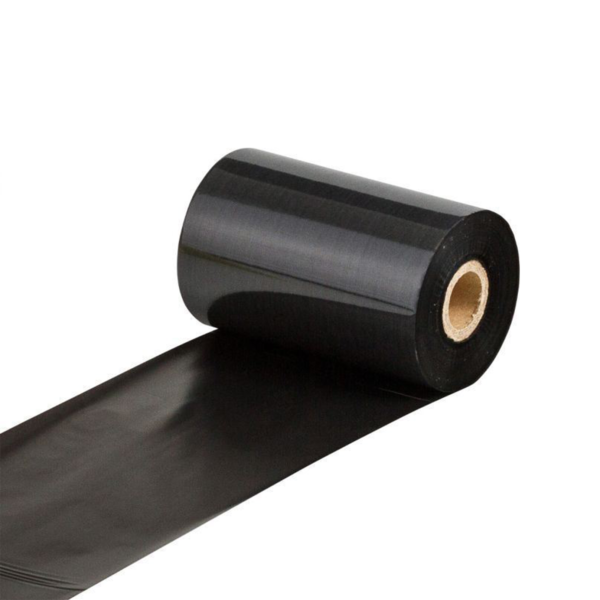
A wax resin thermal transfer ribbon is a printing ribbon used in thermal transfer printers to transfer images, text, and barcodes onto labels and other printable materials.
The ribbon contains a combination of wax and resin components. Wax provides smooth printing performance and cost efficiency, while resin improves durability and resistance against environmental conditions.
This combination creates a balanced printing solution suitable for applications that require better performance than standard wax ribbons but do not require a fully resin-based ribbon.
A thermal transfer ribbon typically consists of three main layers:
- Polyester backing film
- Ink coating layer
- Protective coating layer
During printing, the printer’s thermal printhead applies heat to the ribbon, causing the ink layer to transfer onto the label surface.
How Does a Wax Resin Thermal Transfer Ribbon Work?
Thermal transfer printing uses heat to transfer ink from a ribbon onto a label material.
The process involves several steps:
- The thermal printer feeds the ribbon and label material together.
- The printhead applies controlled heat to specific areas of the ribbon.
- The wax resin ink melts and transfers onto the label surface.
- The printed image cools and bonds with the label material.
The result is a sharp, durable print suitable for barcodes, product information, and identification labels.
Unlike direct thermal printing, thermal transfer printing does not rely on heat-sensitive labels. Instead, it uses a ribbon, making it suitable for longer-lasting applications.
Why Choose Wax Resin Thermal Transfer Ribbon?
Businesses choose wax resin ribbons because they provide a combination of quality, durability, and cost efficiency.
Improved Print Durability
One of the main advantages of a wax resin thermal transfer ribbon is improved durability compared with standard wax ribbons.
The resin component strengthens the ink layer, helping printed information resist:
- Scratching
- Smudging
- Friction
- Light exposure
- Mild chemicals
This makes wax resin ribbons suitable for labels that need to remain readable during handling, transportation, and storage.
High-Quality Print Results
Wax resin ribbons produce sharp and clear images, making them suitable for printing:
- Barcodes
- Small text
- Product details
- Serial numbers
- Logos
- Compliance information
The improved print quality helps businesses maintain accurate identification and tracking systems.
Versatile Label Compatibility
Wax resin ribbons work well with a wide range of label materials, including coated paper and synthetic labels.
This flexibility allows businesses to use one ribbon type for multiple applications.
Cost-Effective Performance
Fully resin ribbons provide excellent durability but can be more expensive.
Wax resin ribbons offer a balance between performance and affordability, making them a practical choice for businesses that need durable labels without unnecessary costs.
Better Resistance Than Standard Wax Ribbons
Standard wax ribbons are suitable for basic paper labels, but they may not perform well in demanding environments.
The resin component in wax resin ribbons improves resistance and extends label durability.
Key Features of Wax Resin Thermal Transfer Ribbon
Understanding ribbon features helps businesses select the right product.
Wax and Resin Ink Combination
The combination of wax and resin creates a balanced formula.
Wax improves print smoothness and transfer efficiency, while resin enhances durability and resistance.
Sharp Barcode Printing
Barcode readability is essential for inventory management and tracking.
Wax resin ribbons provide clear printing that helps scanners accurately read barcode information.
Smooth Printing Performance
High-quality ribbons reduce printing issues such as:
- Uneven coverage
- Poor contrast
- Smearing
- Printhead buildup
This helps improve workflow efficiency.
Compatibility With Thermal Transfer Printers
Wax resin ribbons are available for many common thermal transfer printer brands and models.
Businesses should confirm printer compatibility before purchasing.
Different Sizes Available
Thermal transfer ribbons are available in various:
- Widths
- Lengths
- Core sizes
- Ink formulations
Selecting the correct size ensures proper printer operation.
Common Applications of Wax Resin Thermal Transfer Ribbon
Wax resin ribbons are used across industries where durable printed labels are required.
Manufacturing Industry
Manufacturing businesses rely on labels for product identification, tracking, and quality control.
Wax resin ribbons are commonly used for:
- Component labels
- Inventory tags
- Production tracking
- Serial number labels
Their durability helps labels remain readable throughout manufacturing processes.
Warehousing and Logistics
Warehouses require accurate labels for inventory management and shipping operations.
Wax resin thermal transfer ribbons help create labels that withstand:
- Handling
- Transportation
- Storage conditions
Common applications include:
- Shipping labels
- Barcode labels
- Inventory tags
- Location labels
Retail Industry
Retail businesses use thermal transfer printing for product identification and pricing labels.
Wax resin ribbons provide clear printing for:
- Product labels
- Shelf tags
- Barcode stickers
- Packaging information
Healthcare Industry
Healthcare organisations require accurate and durable identification labels.
Applications include:
- Laboratory labels
- Sample identification
- Equipment tracking
- Patient information labels
Clear printing helps maintain accuracy in critical environments.
Food and Beverage Industry
Food businesses use labels for product information, packaging, and tracking.
Wax resin ribbons can be suitable for applications requiring improved durability compared with standard paper labels.
Chemical and Industrial Applications
Industrial environments may expose labels to friction, handling, and challenging conditions.
Wax resin ribbons provide stronger printed results for applications requiring additional durability.
Wax Resin Thermal Transfer Ribbon vs Other Ribbon Types
Different ribbon formulations are designed for different applications.
Wax Ribbon
Wax ribbons are the most economical thermal transfer option.
They are suitable for:
- Standard paper labels
- Short-term applications
- General barcode printing
However, they provide less resistance compared with wax resin and resin ribbons.
Wax Resin Ribbon
Wax resin ribbons provide a balance between affordability and durability.
They are suitable for:
- Retail labels
- Inventory labels
- Product identification
- Shipping applications
They offer improved resistance while remaining cost-effective.
Resin Ribbon
Resin ribbons provide the highest durability and resistance.
They are commonly used for:
- Synthetic labels
- Chemical labels
- Outdoor applications
- High-performance identification
However, they are usually more expensive than wax resin options.
How to Choose the Right Wax Resin Thermal Transfer Ribbon
Selecting the correct ribbon depends on several factors.
Consider Label Material
The label material affects printing performance.
Wax resin ribbons are commonly used with:
- Coated paper
- Glossy paper
- Synthetic materials
Businesses should match ribbon type with label surface requirements.
Evaluate Environmental Conditions
Consider where labels will be used.
Factors include:
- Temperature changes
- Moisture exposure
- Chemical contact
- Friction levels
- Outdoor conditions
More demanding environments may require stronger ribbon formulations.
Check Printer Compatibility
Always confirm that the ribbon size and specifications match the thermal transfer printer.
Incorrect ribbon selection can affect print quality and printer performance.
Determine Required Durability
Businesses should evaluate how long labels need to remain readable.
For short-term applications, standard wax may be sufficient. For longer-lasting labels, wax resin provides improved performance.
Benefits of Buying Wax Resin Thermal Transfer Ribbon in Bulk
Many businesses purchase thermal transfer ribbons in bulk to improve efficiency.
Reduced Printing Costs
Bulk purchasing often reduces the cost per ribbon.
Companies with regular printing requirements can improve cost control by ordering larger quantities.
Reliable Supply Availability
Maintaining ribbon inventory helps businesses avoid printing interruptions.
This is especially important for warehouses, manufacturers, and logistics companies.
Improved Workflow Efficiency
Having sufficient ribbon stock allows teams to continue printing labels without delays.
Simplified Procurement
Bulk purchasing reduces the need for frequent small orders and simplifies inventory management.
Common Mistakes When Buying Thermal Transfer Ribbons
Businesses should avoid several purchasing mistakes.
Choosing the Wrong Ribbon Type
Selecting a ribbon without considering label material or application requirements can lead to poor print quality.
Ignoring Printer Specifications
Not all ribbons work with every printer.
Always confirm compatibility before purchasing.
Focusing Only on Price
Cheaper ribbons may provide lower print quality or reduced durability.
Businesses should consider overall value rather than only initial cost.
Buying Incorrect Quantities
Ordering too many ribbons can create storage issues, while ordering too few may interrupt operations.
Companies should estimate usage requirements carefully.
Proper Storage of Thermal Transfer Ribbons
Correct storage helps maintain ribbon quality.
Thermal transfer ribbons should be stored:
- In a cool, dry environment
- Away from direct sunlight
- Away from excessive humidity
- In original packaging when possible
Proper storage helps prevent damage and maintains printing performance.
Why Businesses Prefer Wax Resin Thermal Transfer Ribbon
Businesses prefer wax resin ribbons because they provide a practical balance between performance and affordability.
They offer:
- Better durability than wax ribbons
- Lower cost than resin ribbons
- High-quality printing
- Wide application compatibility
This makes them suitable for businesses that need dependable labels without excessive printing costs.
Conclusion
A wax resin thermal transfer ribbon is a versatile printing solution that provides businesses with high-quality, durable, and cost-effective label printing. By combining wax efficiency with resin durability, these ribbons deliver excellent performance for barcode labels, product identification, packaging, inventory tracking, and industrial applications.
Choosing the right ribbon depends on label material, printer compatibility, environmental conditions, and required durability. Businesses that invest in quality thermal transfer ribbons can improve printing reliability, reduce operational issues, and maintain professional labelling standards.
For organisations that require consistent and long-lasting labels, wax resin thermal transfer ribbons provide an effective balance between quality, performance, and affordability.
Frequently Asked Questions
What is a wax resin thermal transfer ribbon?
A wax resin thermal transfer ribbon is a printer ribbon that uses a combination of wax and resin ink to produce durable labels with improved print quality and resistance.
What are wax resin ribbons used for?
Wax resin ribbons are used for barcode labels, inventory tags, product labels, shipping labels, manufacturing identification, and retail applications.
Are wax resin ribbons more durable than wax ribbons?
Yes, wax resin ribbons generally provide better resistance against scratching, smudging, and handling compared with standard wax ribbons.
Can wax resin ribbons be used with any thermal printer?
No, ribbon compatibility depends on the printer model, ribbon size, and printing requirements. Always check specifications before purchasing.
What is the difference between wax resin and resin ribbons?
Wax resin ribbons combine wax and resin for balanced performance, while resin ribbons provide maximum durability for demanding applications.
Are wax resin thermal transfer ribbons waterproof?
Wax resin ribbons provide improved resistance, but performance depends on the label material and environmental conditions.
Which industries use wax resin thermal transfer ribbons?
Industries including manufacturing, logistics, retail, healthcare, food processing, and warehousing commonly use wax resin ribbons.
Why should businesses buy wax resin ribbons in bulk?
Bulk purchasing helps reduce costs, maintain supply availability, and prevent interruptions in label printing operations.