Barcode printing and product labeling play an important role in modern businesses. From warehouses and manufacturing facilities to retail stores, healthcare organisations, and logistics companies, accurate labels help businesses manage inventory, track products, and maintain operational efficiency.
Choosing the right printing ribbon is essential for producing clear, durable, and professional labels. A wax resin thermal transfer ribbon is a popular printing solution that combines the benefits of wax-based and resin-based ribbons, providing improved durability while maintaining excellent print quality.
Wax resin ribbons are designed for applications where standard wax ribbons may not provide enough resistance, but full resin ribbons may be unnecessary. They offer a balanced solution for businesses requiring sharper images, stronger adhesion, and better resistance against environmental factors.
Understanding how wax resin thermal transfer ribbons work, their advantages, applications, and selection factors helps businesses choose the right printing supplies for their operations.
What Is a Wax Resin Thermal Transfer Ribbon?
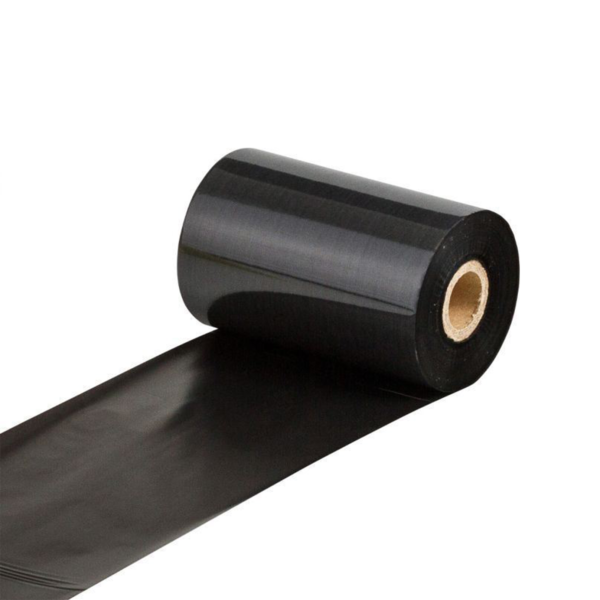
A wax resin thermal transfer ribbon is a type of printing ribbon used in thermal transfer printers to create durable labels and barcodes.
It contains a combination of:
Wax materials
Resin materials
Colour pigments
The ribbon works by transferring ink from the ribbon onto a label surface using heat from the printer’s thermal printhead.
The wax component helps provide smooth printing and good image quality, while the resin component improves durability and resistance.
This combination makes wax resin ribbons suitable for businesses that need stronger labels than traditional wax ribbons can provide.
How Does Wax Resin Thermal Transfer Printing Work?
Thermal transfer printing uses heat to transfer ink from a ribbon onto a label material.
The process involves:
- The thermal printer heats specific areas of the printhead.
- Heat melts the coating on the ribbon.
- The ink transfers onto the label surface.
- The printed label is created with a clear barcode, text, or image.
Unlike direct thermal printing, thermal transfer printing uses a ribbon, allowing businesses to create longer-lasting labels.
Why Choose Wax Resin Thermal Transfer Ribbon?
Businesses choose wax resin ribbons because they provide a balance between print quality, durability, and cost.
Improved Durability Compared With Wax Ribbons
Traditional wax ribbons are suitable for basic paper labels but may not perform well in demanding environments.
Wax resin ribbons provide improved resistance against:
Smudging
Scratching
Handling damage
Moderate exposure to moisture
This makes them suitable for applications where labels need to remain readable for longer periods.
Excellent Print Quality
Wax resin thermal transfer ribbons produce sharp and clear prints.
They are suitable for printing:
Barcodes
Small text
Product information
Logos
Serial numbers
Clear printing helps improve scanning accuracy and product identification.
Versatile Label Compatibility
Wax resin ribbons work with various label materials, including:
Coated paper
Synthetic labels
Polyester materials
Polypropylene labels
This flexibility makes them useful across different industries.
Cost-Effective Printing Solution
Wax resin ribbons provide improved durability compared with standard wax ribbons while remaining more affordable than full resin options.
They offer businesses a practical middle option between:
Basic wax ribbons
Premium resin ribbons
Key Features of Wax Resin Thermal Transfer Ribbon
Understanding the main features helps businesses select the right ribbon.
Wax and Resin Blend
The combination of wax and resin creates a balanced printing solution.
Wax provides:
Smooth transfer
Strong print quality
Cost efficiency
Resin provides:
Durability
Resistance
Long-lasting print performance
Strong Adhesion
Wax resin ribbons create prints that adhere well to suitable label materials.
This helps maintain readability during:
Transportation
Storage
Handling
High-Quality Barcode Printing
Barcode accuracy is essential for many industries.
Wax resin ribbons help produce:
Sharp barcode lines
Clear numbers
Reliable scanning performance
Available in Different Sizes
Wax resin ribbons are available in different:
Widths
Lengths
Core sizes
Colours
The correct ribbon size depends on the printer model and label requirements.
Common Applications of Wax Resin Thermal Transfer Ribbon
Wax resin ribbons are used across many industries that require durable and reliable labels.
Manufacturing and Industrial Labelling
Manufacturing businesses use wax resin ribbons for:
Product identification
Parts labelling
Inventory tracking
Equipment labels
Industrial environments often require labels that withstand handling and storage conditions.
Warehouse and Logistics
Warehouses depend on accurate labels for efficient operations.
Applications include:
Shipping labels
Inventory labels
Barcode labels
Pallet identification
Wax resin ribbons help maintain clear information throughout supply chains.
Retail Product Labelling
Retail businesses use thermal transfer printing for:
Price labels
Product information
Barcode tags
Stock identification
High-quality printing improves product presentation and scanning efficiency.
Healthcare and Laboratory Applications
Healthcare environments require accurate identification.
Applications may include:
Sample labels
Equipment identification
Asset tracking
Depending on the requirements, specialised label materials may be selected.
Electronics and Asset Tracking
Electronics companies often need durable labels for:
Serial numbers
Product identification
Asset management
Wax resin ribbons can provide better resistance than standard wax options.
Food and Beverage Labelling
Food businesses use thermal transfer labels for:
Packaging information
Inventory management
Product identification
The correct ribbon and label combination depends on environmental conditions.
Wax Resin Ribbon vs Other Thermal Transfer Ribbons
Understanding differences between ribbon types helps businesses select the best option.
Wax Ribbon
Wax ribbons are designed for general-purpose printing.
Advantages include:
Lower cost
Good print quality on paper labels
Suitable for basic applications
Common uses include:
Shipping labels
Retail tags
Warehouse labels
However, wax ribbons generally provide less durability than wax resin options.
Resin Ribbon
Resin ribbons provide the highest durability among thermal transfer ribbon types.
Benefits include:
Excellent resistance
Strong durability
Suitable for synthetic materials
They are commonly used for demanding applications.
Resin ribbons are often more expensive than wax resin ribbons.
Wax Resin Ribbon
Wax resin ribbons provide a balance between cost and performance.
Advantages include:
Better durability than wax
Lower cost than resin
Good print quality
Versatile applications
They are suitable for businesses needing reliable labels without requiring maximum resistance.
How to Choose the Right Wax Resin Thermal Transfer Ribbon
Selecting the right ribbon depends on several factors.
Consider Label Material
The label surface affects print performance.
Wax resin ribbons work well with:
Coated paper
Synthetic materials
Plastic labels
Always match the ribbon with the label material.
Check Printer Compatibility
Before purchasing, confirm:
Printer model
Ribbon dimensions
Core size
Winding direction
Using an incompatible ribbon can affect print quality.
Determine Environmental Conditions
Consider where labels will be used.
Important factors include:
Moisture exposure
Temperature changes
Handling frequency
Chemical exposure
More demanding environments may require different ribbon types.
Choose the Correct Ribbon Size
Ribbon width should match the label size and printer specifications.
Common considerations include:
Label width
Print area
Printer capacity
Correct sizing helps prevent printing problems.
Benefits of Buying Quality Wax Resin Thermal Transfer Ribbon
Choosing a high-quality ribbon improves printing performance.
Reduces Printing Errors
Poor-quality ribbons can cause:
Faded prints
Uneven transfer
Barcode scanning problems
Quality ribbons help maintain consistent output.
Improves Operational Efficiency
Clear labels support:
Faster scanning
Better inventory control
Reduced mistakes
Extends Label Lifespan
Wax resin ribbons create durable prints that remain readable for longer periods.
This is important for products that require tracking throughout their lifecycle.
Common Problems With Thermal Transfer Ribbon Printing
Understanding common issues helps businesses maintain better printing results.
Faded Printing
Possible causes include:
Incorrect printer settings
Low-quality ribbon
Wrong label material
Adjusting settings or choosing a suitable ribbon can improve results.
Poor Adhesion
Poor adhesion may occur when:
Ribbon and label materials are incompatible
Print temperature is incorrect
Selecting the correct combination improves performance.
Wrinkled Ribbon
Ribbon wrinkles can affect print quality.
Common causes include:
Incorrect installation
Printer alignment issues
Poor ribbon tension
Proper printer maintenance helps prevent these problems.
Tips for Storing Wax Resin Thermal Transfer Ribbon
Proper storage helps maintain ribbon quality.
Avoid Extreme Temperatures
Store ribbons away from:
Heat
Cold conditions
Direct sunlight
Keep Ribbons Dry
Moisture can affect ribbon performance.
Store products in dry environments.
Maintain Original Packaging
Original packaging protects ribbons from:
Dust
Damage
Environmental exposure
How to Maintain Thermal Transfer Printers
Printer maintenance helps improve ribbon performance.
Clean the Printhead Regularly
Dust and residue can affect printing quality.
Regular cleaning helps maintain:
Sharp images
Consistent printing
Longer printhead life
Use Compatible Supplies
Always use ribbons and labels suitable for your printer.
Compatibility improves performance and reduces issues.
Check Printer Settings
Adjust settings based on:
Ribbon type
Label material
Print requirements
Frequently Asked Questions About Wax Resin Thermal Transfer Ribbon
What is a wax resin thermal transfer ribbon?
A wax resin thermal transfer ribbon is a printing ribbon that combines wax and resin materials to create durable labels with high-quality print results.
What is wax resin ribbon used for?
Wax resin ribbons are used for barcode labels, product identification, inventory tracking, shipping labels, retail tags, and industrial applications.
Is wax resin better than wax ribbon?
Wax resin ribbons provide better durability and resistance than standard wax ribbons while offering a more affordable option than full resin ribbons.
Can wax resin ribbons print on synthetic labels?
Yes. Wax resin ribbons can work with certain synthetic label materials, depending on printer compatibility and application requirements.
Are wax resin ribbons suitable for barcode printing?
Yes. They provide clear and sharp printing suitable for barcode applications.
How long do wax resin thermal transfer ribbons last?
Ribbon lifespan depends on usage, storage conditions, printer settings, and application requirements.
What industries use wax resin ribbons?
Industries include manufacturing, logistics, retail, healthcare, electronics, food packaging, and warehousing.
How do I choose the right wax resin ribbon size?
Choose based on printer specifications, label width, ribbon length, and core size requirements.
Can wax resin ribbons be used in all thermal printers?
No. They must match compatible thermal transfer printers and correct ribbon specifications.
Conclusion
A wax resin thermal transfer ribbon provides an effective balance between print quality, durability, and cost efficiency. It is an ideal choice for businesses that need reliable labels that remain clear during handling, storage, and transportation.
From manufacturing and logistics to retail, healthcare, and product identification, wax resin ribbons support accurate printing and efficient operations.
Choosing the right ribbon requires considering label material, printer compatibility, environmental conditions, and application requirements. With the correct wax resin thermal transfer ribbon, businesses can improve label quality, reduce printing issues, and maintain reliable barcode and product identification systems.