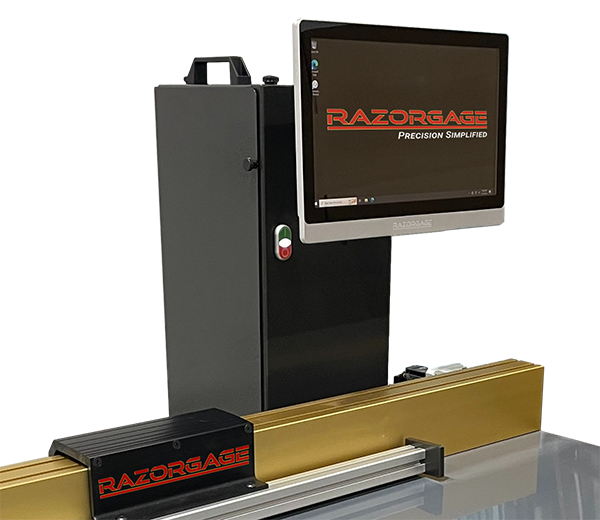
Modern woodworking and manufacturing industries have gone through a remarkable transformation over the past decade. Precision and speed are no longer optional luxuries but absolute necessities in competitive production environments. A chop saw measuring system has become one of the most important advancements in this space, allowing operators to achieve accurate cuts repeatedly without relying solely on manual measurements. This technology is changing the way workshops and factories operate, delivering results that were once only possible with highly skilled labor and years of experience.
Accuracy That Eliminates Human Error
One of the most significant advantages of automated measuring technology is its ability to remove the guesswork from cutting and measurement processes. Human error is one of the most common causes of material waste and production delays in any workshop setting. When measurements are handled by an automated system, each cut is guided by precise digital data rather than the judgment of an individual operator. This level of consistency is nearly impossible to achieve manually over long production runs.
Faster Production With Less Downtime
Speed is everything in a competitive manufacturing environment. Automated measuring technology dramatically reduces the time spent on setup, adjustment, and verification between cuts. Operators no longer need to stop and measure each piece individually before making a cut. The system handles all of that in the background, allowing the production line to move faster without sacrificing quality. This reduction in downtime translates directly into higher output and better use of working hours throughout the day.
Significant Reduction in Material Waste
Material costs represent one of the largest expenses in any woodworking or manufacturing business. Even small measurement errors can lead to significant material waste over time, especially when working with expensive lumber or composite materials. Automated measuring technology optimizes every cut based on exact dimensions, ensuring that each piece of material is used as efficiently as possible. Over weeks and months, this efficiency adds up to substantial savings that positively impact the overall profitability of a business.
Safer Working Conditions for Operators
Safety is always a top priority in any environment where heavy machinery and sharp cutting tools are involved. Manual measuring often requires operators to work in close proximity to blades and moving parts, increasing the risk of accidents. Automated systems keep hands away from dangerous areas by handling the measuring and positioning process mechanically. This reduces exposure to potential hazards and creates a safer workspace for everyone involved in the production process.
Consistent Quality Across Large Production Runs
Maintaining consistent quality is one of the greatest challenges in high-volume production. When pieces are cut manually, subtle variations in measurement can lead to inconsistencies that affect the final product. Automated measuring technology ensures that every single piece produced meets the exact same specifications, regardless of how many units are being made. This level of uniformity is especially critical in industries where parts must fit together perfectly or meet strict quality standards.
Easy Integration With Existing Workflows
Many businesses worry that adopting new technology will require a complete overhaul of their existing processes. The reality is that modern automated measuring systems are designed to integrate smoothly into already established workflows. Operators can be trained relatively quickly, and the learning curve is manageable even for teams that are not particularly tech-savvy. The transition from manual to automated measuring tends to be far smoother than most business owners anticipate.
Long-Term Cost Savings and Return on Investment
While the initial investment in automated measuring technology may seem significant, the long-term financial benefits far outweigh the upfront costs. Reduced material waste, faster production speeds, lower labor requirements, and fewer errors all contribute to a strong return on investment over time. Businesses that make this transition often find that the system pays for itself within a relatively short period, making it one of the smartest financial decisions they have ever made.
Adaptability Across Different Industries and Applications
Automated measuring technology is not limited to a single type of application or industry. From furniture manufacturing and construction framing to flooring installation and custom millwork, these systems are versatile enough to serve a wide range of production needs. This adaptability makes them a valuable investment for businesses of all sizes, whether you are running a small custom shop or managing a large-scale industrial operation.
Conclusion
The shift toward automation in measuring and cutting technology represents a major step forward for any business that values precision, efficiency, and profitability. Investing in smarter systems today means staying competitive and delivering higher quality results tomorrow. An automatic pusher system plays a central role in making this entire process seamless by moving material consistently and accurately through every stage of production. Embracing these innovations is not just about keeping up with the industry but about leading it.
Frequently Asked Questions
How difficult is it to learn how to use automated measuring technology?
Most systems are designed with user-friendly interfaces that make them accessible even to operators with limited technical backgrounds. Basic training is usually sufficient to get started.
Will automated measuring technology work with my existing cutting equipment?
In most cases, these systems are built to be compatible with a wide range of existing machinery, though it is always advisable to verify compatibility before making a purchase.
How does automated measuring technology improve product quality?
By eliminating manual measurement errors and ensuring consistent positioning for every cut, the technology produces pieces that meet exact specifications every single time.
Is automated measuring technology suitable for small workshops?
Yes, these systems are available in various sizes and configurations that can suit the needs and budgets of smaller operations just as effectively as large industrial facilities.
What kind of maintenance does automated measuring technology require?
Routine maintenance typically involves cleaning sensors, checking calibration, and ensuring mechanical components are properly lubricated, all of which are simple tasks that can be performed in-house.