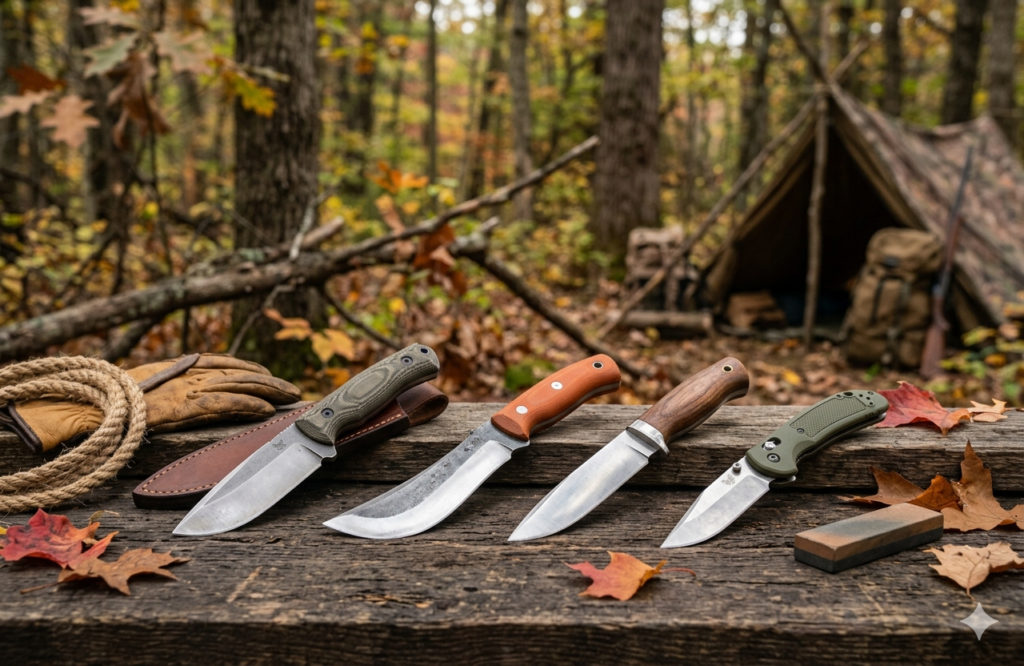
Choosing the right knives for deer hunting is essential for any hunter who values efficiency, safety, and precision in the field. A high-quality hunting knife is not just a tool; it is a reliable companion that plays a critical role in field dressing, skinning, and processing game. Whether you are a seasoned hunter or just starting out, understanding what makes a knife suitable for deer hunting can significantly improve your experience.
This article explores the different types of hunting knives, key features to consider, and practical tips to help you select the best knife for deer hunting. By the end, you will have a clear understanding of how to choose a knife that meets your needs and enhances your performance in the wild.
Why the Right Knife Matters in Deer Hunting
Deer hunting involves more than tracking and shooting. Once the hunt is successful, proper field dressing and processing are necessary to preserve the meat and ensure hygiene. Using the wrong knife can make these tasks difficult, time-consuming, and even dangerous.
A good deer hunting knife offers:
- Precision for clean cuts
- Durability for repeated use
- Comfort for extended handling
- Safety to prevent accidents
Selecting the right knife ensures you can work efficiently while maintaining control and minimizing waste.
Types of Knives for Deer Hunting
Understanding the different types of knives available will help you determine which one suits your hunting style.
Fixed Blade Knives
Fixed blade knives are among the most popular choices for deer hunting. They are strong, reliable, and easy to clean.
Advantages:
- Superior strength and durability
- No moving parts, reducing failure risk
- Easy maintenance
Best for: Field dressing and heavy-duty tasks
Folding Knives
Folding knives are compact and easy to carry, making them a convenient option for hunters who prefer portability.
Advantages:
- Lightweight and compact
- Easy to store in pockets
- Versatile for general use
Limitations:
- Less durable than fixed blades
- Requires more cleaning due to hinges
Best for: Light field work and backup use
Gut Hook Knives
Gut hook knives are specifically designed for opening the abdomen of a deer without damaging internal organs.
Advantages:
- Clean and controlled cuts
- Reduces risk of puncturing intestines
- Speeds up field dressing
Best for: Initial field dressing
Skinning Knives
Skinning knives have curved blades that make removing the hide easier and more efficient.
Advantages:
- Designed for precision skinning
- Minimizes damage to meat
- Efficient for processing
Best for: Skinning and meat preparation
Key Features to Look for in Deer Hunting Knives
Choosing the best knives for deer hunting requires careful attention to several important features.
Blade Material
The blade material determines durability, sharpness, and corrosion resistance.
- Stainless Steel: مقاوم to rust and easy to maintain
- Carbon Steel: Holds edge longer but requires more care
For most hunters, stainless steel is a practical choice due to its low maintenance.
Blade Length
Blade length affects control and usability.
- Ideal Range: 3 to 5 inches
- Short blades provide better control
- Longer blades may be harder to maneuver
A medium-sized blade offers the best balance for deer hunting tasks.
Blade Shape
Different shapes serve different purposes.
- Drop Point: Most versatile and widely used
- Clip Point: Sharp tip for precision work
- Trailing Point: Excellent for skinning
The drop point blade is often considered the best all-around choice.
Handle Design
A comfortable handle ensures better control and reduces fatigue.
Look for:
- Non-slip grip
- Ergonomic design
- Durable materials like rubber or wood
A good handle can make a significant difference during long processing sessions.
Ease of Maintenance
Hunting knives require regular cleaning and sharpening.
Consider:
- Ease of sharpening
- Resistance to rust
- Simple construction for cleaning
Fixed blade knives are generally easier to maintain compared to folding knives.
How to Use a Deer Hunting Knife Effectively
Having the best knife is only part of the equation. Proper technique is equally important.
Field Dressing
Field dressing should be done as soon as possible after harvesting the deer.
Steps include:
- Making a shallow incision along the abdomen
- Removing internal organs carefully
- Avoiding punctures to prevent contamination
A sharp knife ensures clean cuts and reduces effort.
Skinning
Skinning requires patience and precision.
Tips:
- Use a skinning knife with a curved blade
- Make small, controlled cuts
- Pull the hide away gently
This process becomes easier with practice and the right knife.
Meat Processing
After skinning, the meat must be cut into manageable portions.
Best practices:
- Use a sharp blade for clean cuts
- Separate muscles carefully
- Avoid unnecessary waste
A reliable knife helps maintain the quality of the meat.
Safety Tips When Using Hunting Knives
Safety should always be a priority when handling sharp tools.
- Keep the blade sharp to prevent slipping
- Cut away from your body
- Use protective gloves if possible
- Store knives securely when not in use
Proper handling reduces the risk of injury and ensures a safer hunting experience.
Maintaining Your Deer Hunting Knife
Regular maintenance extends the life of your knife and ensures optimal performance.
Cleaning
- Clean the blade immediately after use
- Remove blood and debris
- Dry thoroughly to prevent rust
Sharpening
- Use a sharpening stone or tool
- Maintain the correct angle
- Sharpen regularly to keep the edge intact
Storage
- Store in a dry place
- Use a sheath for protection
- Avoid moisture exposure
Proper care keeps your knife ready for every hunting trip.
Common Mistakes to Avoid
Even experienced hunters can make mistakes when choosing or using knives.
- Using a dull blade
- Choosing the wrong knife type
- Neglecting maintenance
- Applying too much force
Avoiding these mistakes will improve both safety and efficiency.
Choosing the Best Knife for Your Needs
The best knives for deer hunting depend on your personal preferences and hunting style.
Consider:
- Experience level
- Type of hunting trips
- Budget
- Specific tasks you perform
Many hunters prefer carrying more than one knife to handle different tasks effectively.
Conclusion
Selecting the right knives for deer hunting is a crucial decision that can greatly impact your success and efficiency in the field. From fixed blade knives to specialized skinning tools, each type serves a unique purpose. By understanding key features such as blade material, shape, and handle design, you can make an informed choice that suits your needs.
A well-chosen hunting knife not only simplifies field dressing and processing but also enhances safety and overall performance. With proper care and technique, your knife will remain a dependable tool for many hunting seasons to come.