Buying a home is exciting, but a beautiful property can still hide an invisible concern beneath the surface. Radon is a naturally occurring radioactive gas that can enter homes through cracks, drains, and other openings in the foundation. Before signing the final paperwork, buyers should understand whether the property has been tested and what the results mean. A proper evaluation can help you make a safer, more informed decision, especially when an Amg eagle extreme radon fan may be part of a future mitigation system.
Why Radon Matters Before Buying a Home
Radon deserves attention during the home-buying process because you cannot see, smell, or taste it. A home may look perfectly maintained while still having elevated indoor radon levels.
Radon forms naturally when uranium in soil and rock breaks down. The gas can move through soil and enter buildings through foundation openings, sump pits, floor drains, construction joints, and small cracks.
Long-term exposure to elevated radon levels can increase the risk of lung cancer. For this reason, testing should be treated as an important part of evaluating a property rather than an optional extra.
The good news is that high radon levels do not necessarily mean you must walk away from a home. Effective mitigation systems can reduce indoor concentrations, but buyers should understand the issue before closing so they can plan appropriately.
When Should a Buyer Request a Radon Test?
The ideal time to arrange a radon test is during the home inspection period, before the transaction becomes final. This gives the buyer an opportunity to review the results and negotiate if additional work is needed.
A short-term test may take a few days, while long-term testing provides a better picture of average exposure over a longer period. Your home inspector or qualified radon professional can help determine which testing method fits the situation.
Testing Before the Inspection Deadline
Ask your real estate agent whether radon testing is included in the inspection process. If it is not, arrange a qualified testing service as early as possible.
Starting early gives you time to address unexpected results. Waiting until the last moment can leave you with fewer options if mitigation work becomes necessary.
Testing During Different Seasons
Radon concentrations can change over time because of weather, ventilation, soil conditions, and how a house is used. A single test is useful, but buyers should understand that it represents conditions during a particular testing period.
If a previous owner has already tested the property, ask when the test was performed, where the device was placed, and whether any mitigation equipment was operating at that time.
How to Read a Radon Test Result
Radon results are commonly reported in picocuries per liter, or pCi/L. In the United States, the Environmental Protection Agency recommends taking action to reduce radon when levels are at or above 4 pCi/L and suggests considering reduction when levels are between 2 and 4 pCi/L.
The result should not be viewed in isolation. Testing conditions, device placement, test duration, and the home’s current condition can all affect the reading.
Here is a simple guide for buyers:
| Radon Test Result | What It Generally Means | Buyer Action |
|---|---|---|
| Below 2 pCi/L | Lower measured level | Keep normal testing practices in mind |
| 2–4 pCi/L | Moderate concern | Consider additional testing or mitigation |
| 4 pCi/L or higher | Elevated level | Discuss mitigation with a qualified professional |
| Unclear or questionable result | Test may not represent normal conditions | Consider professional retesting |
These ranges are useful for decision-making, but they should not replace advice from a qualified radon professional.
What Buyers Should Ask About Existing Radon Systems
Some homes already have radon mitigation systems installed. If you see PVC piping running from the foundation toward an exterior fan, ask for documentation about the system.
Find out when it was installed, who installed it, and whether the system has been serviced. You should also ask whether recent radon testing confirms that the system is effectively reducing indoor levels.
Check the Fan and Ventilation Equipment
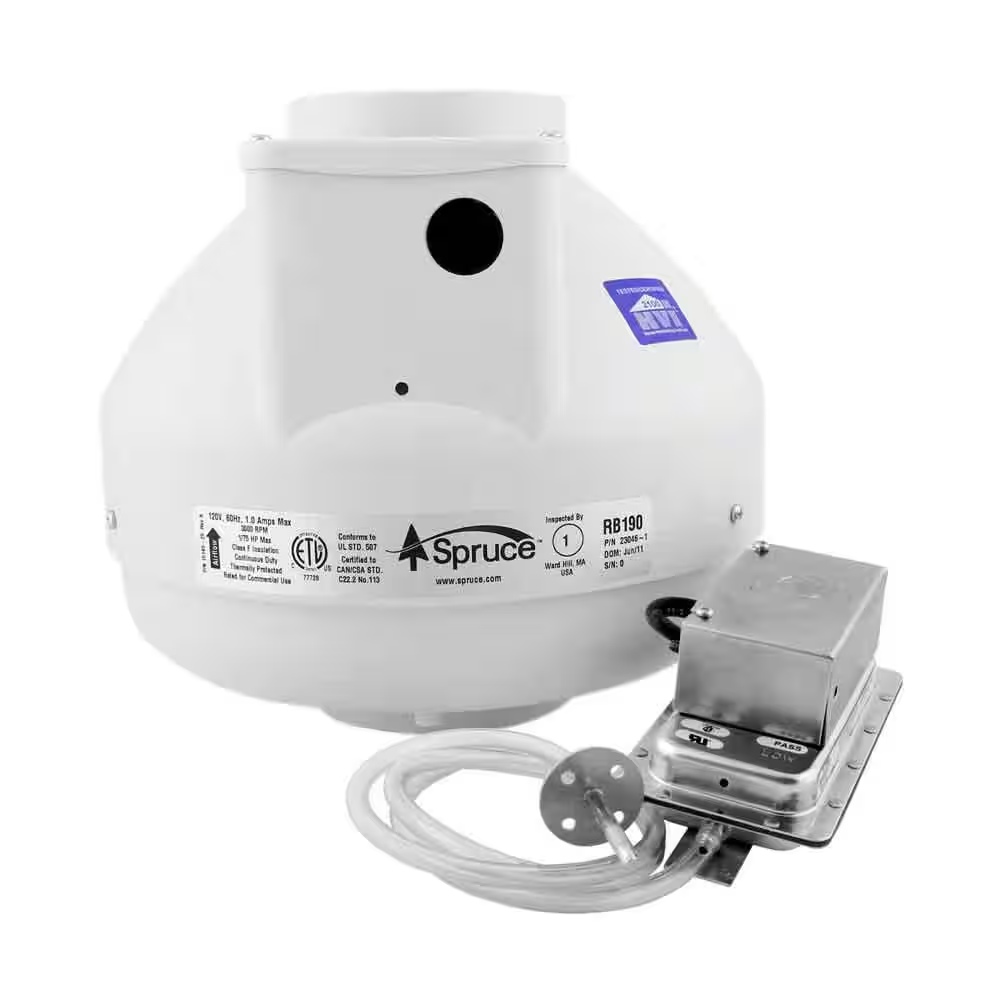
A mitigation system depends on properly functioning components. The fan creates negative pressure beneath the building and helps move radon from the soil through the vent pipe and safely outside.
An extreme radon fan may be used in certain systems where stronger airflow is appropriate. However, buyers should not assume that a larger or more powerful fan automatically means better protection. System design, pipe configuration, soil conditions, and proper installation all matter.
Look for Signs of Maintenance
Ask whether the current owner has replaced the fan or performed maintenance. Unusual noise, visible damage, poor connections, or a fan that is not operating may warrant further inspection.
Keep copies of maintenance records and previous test results. These documents can help you understand the system’s history after you take ownership.
Should Radon Affect Your Home-Buying Decision?
A positive radon test does not automatically make a home unsafe to purchase. Instead, it gives you information that can be used during negotiations and planning.
For example, a buyer may request that the seller install a mitigation system before closing. Another option may be to negotiate a credit that allows the buyer to arrange the work after purchasing the property.
Consider the Cost of Mitigation
Mitigation costs vary based on the home’s foundation, construction, soil conditions, system design, and local labor rates. A straightforward system may cost less than a complex installation involving multiple foundation areas.
Rather than guessing the price, obtain an estimate from a qualified mitigation professional. This provides a clearer picture of what the property will require.
Include Radon in Your Negotiation
If testing identifies elevated radon, discuss the result with your real estate agent. Depending on the contract and local practices, the buyer and seller may negotiate who will pay for mitigation.
Get any agreement in writing. The final paperwork should clearly state what work will be completed, who will perform it, and whether a follow-up test will be provided.
What a Proper Radon Mitigation System Does
A typical mitigation system is designed to prevent radon from accumulating inside the home. In many systems, a pipe draws soil gas from beneath the building and directs it outside through a vent.
A fan helps maintain the airflow needed to move the gas. The system must be designed and installed correctly for the specific property.
Why Fan Selection Matters
The fan is an important component because it controls the airflow through the mitigation system. Choosing equipment based solely on advertised power can lead to poor performance, unnecessary energy use, or an improperly balanced system.
An extreme radon fan can be suitable for some applications, but the right choice should be based on the system’s requirements. A qualified professional can determine the appropriate fan capacity and configuration.
Why Professional Installation Is Important
Radon mitigation is more than installing a fan and running a pipe outdoors. The system must create the right pressure conditions beneath the home while keeping the building’s occupants and mechanical systems safe.
Professional installers can evaluate the foundation, identify appropriate suction points, seal relevant openings, and verify system performance after installation.
Common Radon Mistakes Homebuyers Should Avoid
Buyers sometimes make avoidable mistakes because radon is invisible and does not produce obvious warning signs.
Relying Only on a Previous Test
A previous report can provide useful background, but conditions may have changed. Renovations, foundation repairs, ventilation changes, or seasonal differences can affect radon measurements.
Ask for a current test when appropriate, particularly if the existing report is old or the testing circumstances are unclear.
Assuming a New Home Is Radon-Free
New construction does not guarantee low radon levels. Radon comes from the ground, so both older and newly built properties can have elevated concentrations.
Ask about radon-resistant construction features and request testing regardless of the home’s age.
Choosing Equipment Without a Professional Assessment
It can be tempting to search for the strongest available fan and assume it will solve the problem. However, radon mitigation should be based on measured conditions and system design.
A properly sized fan can be more useful than simply selecting the most powerful model.
Ignoring Follow-Up Testing
After mitigation work, retesting is important. The purpose is to confirm that indoor radon levels have actually been reduced.
Keep the follow-up results with your home records. Future buyers may also want this information if you eventually sell the property.
A Practical Radon Checklist for Homebuyers
Before closing, use this checklist to keep the process organized:
- Ask whether the home has been tested for radon.
- Request copies of previous test reports.
- Confirm the date and duration of earlier tests.
- Arrange a new test when appropriate.
- Review elevated results with a qualified professional.
- Ask whether a mitigation system is already installed.
- Inspect visible pipes, fans, and system components.
- Request maintenance and installation records.
- Obtain a mitigation estimate if needed.
- Discuss repair or mitigation responsibilities with your agent.
- Put negotiated work and costs into the purchase agreement.
- Arrange follow-up testing after mitigation.
This approach keeps radon from becoming a last-minute surprise during closing.
Questions to Ask the Seller Before Closing
Good questions can reveal important details that may not appear in a standard inspection report.
Ask the seller:
- Has the property ever been tested for radon?
- What were the previous test results?
- Was a professional testing company used?
- Has the property ever had a mitigation system?
- When was the system installed or serviced?
- Has the mitigation fan ever been replaced?
- Are there records of post-mitigation testing?
- Have there been basement or foundation renovations?
- Has the home been sealed or remodeled since the last radon test?
- Will the seller address elevated radon levels before closing?
The answers can help you determine whether further testing or professional evaluation is necessary.
Making Radon Part of a Smarter Closing Strategy
Radon should not be treated as a reason to panic or as an issue to ignore. Instead, consider it one part of the property’s overall condition, just like plumbing, electrical systems, roofing, and foundation performance.
If testing identifies elevated levels, take a measured approach. Get professional advice, understand the mitigation options, estimate the costs, and negotiate responsibly.
Most importantly, do not rely on equipment names alone. Whether a home uses a standard mitigation fan or an extreme radon fan, the complete system must be properly designed, installed, and tested.
Conclusion
Buying a home involves more than checking the kitchen, bedrooms, and curb appeal. Radon is an invisible factor that can affect indoor air quality, so testing before closing gives buyers valuable information while they still have an opportunity to respond. If elevated levels are found, professional mitigation can often address the problem effectively. Review test reports, ask about existing systems, understand potential costs, and confirm that any agreed work is documented. A careful radon evaluation does not have to complicate your purchase. Instead, it can help you move toward closing with greater confidence and a clearer understanding of the home you are buying.
Frequently Asked Questions
Is radon testing necessary when buying a home?
Yes. Radon cannot be detected by smell or sight, so testing is the only practical way to determine whether indoor levels are elevated.
What radon level is considered high?
In the United States, the EPA recommends taking action to reduce radon when the measured level is 4 pCi/L or higher. Buyers should discuss results with a qualified professional.
Can a home with high radon levels still be purchased?
Yes. Elevated radon does not automatically mean a home cannot be purchased. Buyers can investigate mitigation options and negotiate appropriate repairs or credits.
Does a radon mitigation fan run continuously?
Many active radon mitigation systems are designed to operate continuously. The specific operating requirements depend on the system design and equipment installed.
Should I retest after a radon mitigation system is installed?
Yes. Follow-up testing helps confirm that the mitigation system is working effectively and that indoor radon levels have been reduced.