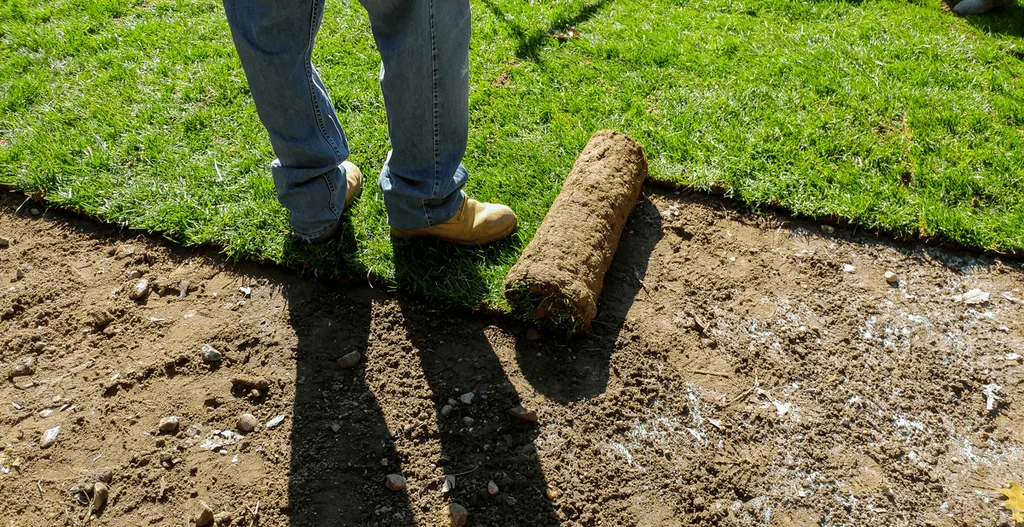
A fresh green lawn can improve your home’s appearance, create a comfortable outdoor space, and make your property more inviting. However, installing new grass requires careful planning to get the best results. Homeowners considering sod installation in Fort Worth should understand grass selection, soil preparation, weather conditions, and watering requirements before scheduling a project. North Texas weather can bring intense summer heat, changing rainfall, and occasional cold temperatures, so choosing the right grass and installation approach matters. Working with experienced lawn professionals can make the process easier and help your new lawn establish strong roots.
Choose the Right Grass for Your Property
Selecting the right grass variety is one of the first decisions homeowners should make. Different grasses have different needs for sunlight, water, maintenance, and foot traffic. The right choice depends on your yard and how you plan to use it.
Popular Grass Varieties in Fort Worth
Several warm season grasses are commonly used across North Texas.
Bermuda Grass: Bermuda grows well in sunny areas and handles regular foot traffic. It is a popular choice for active households with children and pets.
St. Augustine Grass: This variety has broad blades and creates a thick green appearance. It can work well in yards with partial shade.
Zoysia Grass: Zoysia offers a dense lawn with good durability. It can tolerate some shade and provides an attractive surface for residential properties.
Consider Your Yard’s Conditions
Before choosing, check how much sunlight your lawn receives throughout the day. Consider soil conditions, drainage, and the amount of maintenance you can manage. A local sod professional can help identify the best grass for your property.
Prepare Your Soil Before Installation
Healthy grass needs a suitable foundation. Even quality sod can struggle when placed over compacted soil, weeds, or an uneven surface. Proper ground preparation helps roots connect with the soil and supports consistent growth.
Clear the Installation Area
Existing grass, weeds, rocks, roots, and other debris should be removed before new sod is placed. Clearing the area reduces competition for nutrients and creates a clean surface for installation.
The ground should also be leveled to remove large bumps and low areas. Proper grading helps prevent water from collecting near your home or in certain sections of the lawn.
Check Soil Quality and Drainage
Some Fort Worth properties have clay heavy soil that holds moisture and becomes compacted. Suitable soil amendments may improve its structure and help create better conditions for root growth.
Drainage is equally important. Standing water can weaken grass and create muddy sections. Quality sod installation in Fort Worth should include proper soil preparation and attention to water movement before installation begins.
Schedule Installation at the Right Time
Timing can affect how quickly new sod develops roots. Fort Worth experiences hot summers and changing seasonal conditions, so homeowners should consider the weather before choosing an installation date.
Understand Seasonal Conditions
Spring is often a good time for warm season grass installation because temperatures encourage active growth. Early fall can also be suitable because the weather is generally less intense than during peak summer.
Summer installation is possible, but fresh grass may need more frequent watering during periods of extreme heat. Homeowners should also consider upcoming rainfall and temperature changes.
Prepare Your Property in Advance
Before the scheduled date, make sure the installation area is accessible. Remove outdoor furniture, toys, garden decorations, and other items that could interfere with the work.
Discuss irrigation access, lawn measurements, and any special property concerns with your installer. Planning ahead helps keep the project organized and reduces unnecessary delays.
Understand Installation Costs and Project Details
The total cost of a new lawn depends on more than the amount of grass required. Property size, grass variety, ground preparation, delivery, and labor can all affect the final estimate.
Request a Clear Written Estimate
Before scheduling, ask for a detailed breakdown of the work. Your estimate should explain whether it includes:
- Removal of existing grass and weeds.
- Soil preparation and ground leveling.
- Sod materials and delivery.
- Installation labor and placement.
- Initial watering and cleanup.
Comparing estimates helps you understand what each contractor provides. A lower price may not include important preparation work, so consider the complete project rather than focusing only on the initial cost.
Check the Installer’s Experience
Ask about previous projects, customer reviews, and the types of grass they install. A reliable contractor should explain the process clearly and answer questions about materials and scheduling.
Homeowners planning sod installation in Fort Worth should also ask whether the company provides aftercare instructions. This information helps you understand what to expect once the installation is complete.
Plan for Watering and Long Term Lawn Care
Fresh sod needs consistent moisture while its roots begin connecting with the soil underneath. Proper aftercare is essential for maintaining healthy grass and protecting your investment.
Follow a Watering Schedule
Water the lawn thoroughly after installation. During the initial establishment period, frequent watering may be necessary, depending on temperatures, soil conditions, and rainfall.
As roots develop, gradually adjust the watering schedule. Avoid keeping the ground constantly saturated because excess moisture can create unhealthy growing conditions.
Maintain Your New Lawn
Once the grass is established, follow basic maintenance practices:
- Mow at the recommended height for your grass variety.
- Apply fertilizer according to soil needs.
- Remove weeds before they spread.
- Monitor drainage after heavy rainfall.
- Avoid excessive foot traffic while roots are developing.
A dependable sod installation in the Fort Worth project should include clear guidance about watering, mowing, and early lawn care.
Before choosing an installation date, discuss your property size, grass preferences, and preparation needs with Texas Sod Pros. A clear project estimate can help you plan your new lawn with confidence.
Frequently Asked Questions
- What is the best time for sod installation in Fort Worth?
Spring and early fall are often suitable for warm season grasses. However, installation can also take place during other seasons when weather and watering conditions are appropriate.
- Which grass is best for Fort Worth homes?
Bermuda, St. Augustine, and Zoysia are popular options. The best variety depends on sunlight, soil conditions, foot traffic, and maintenance preferences.
- How long does new sod take to establish?
New sod generally begins developing roots within a few weeks. Full establishment depends on grass variety, watering, soil quality, and weather.
- How much does sod installation cost in Fort Worth?
Pricing depends on lawn size, grass selection, ground preparation, delivery, and labor. Request a property specific estimate for accurate pricing.
- Should I water new sod every day?
Fresh sod usually needs frequent watering during its initial establishment period. Follow your installer’s recommendations and adjust the schedule based on weather and soil moisture.
Conclusion
A successful new lawn starts with proper planning, suitable grass selection, and careful soil preparation. Understanding installation costs, seasonal conditions, and watering requirements can help you avoid common problems and enjoy better results. Professional sod installation in Fort Worth can give your property an attractive green lawn while saving you time and effort. Contact Texas Sod Pros today to discuss your lawn goals, get an installation estimate, and schedule your service.