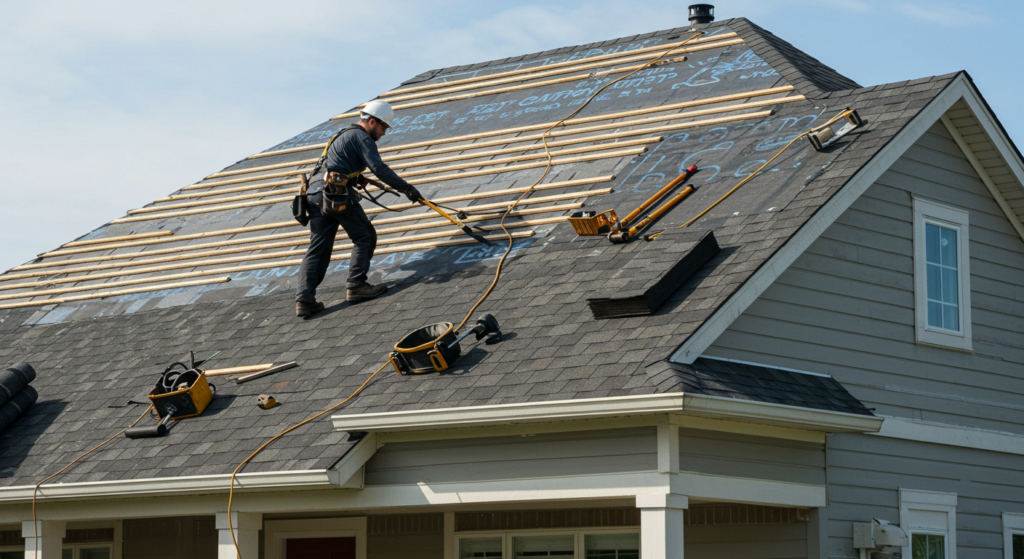
Choosing the right roofing material is one of the most important decisions for any homeowner. A durable roof protects the house from weather, reduces repair costs, and adds long-term value. Many people searching for Residential roofing services near me also want to know which materials provide the longest service life before replacement becomes necessary. Understanding the strengths of each option makes it easier to invest wisely.
Why Roofing Material Matters
Roofing material affects far more than appearance. It determines how well a home handles heavy rain, strong winds, snow, heat, and changing temperatures throughout the year. A longer-lasting roof often requires fewer repairs and delivers better value over several decades. Local climate, roof design, installation quality, and regular maintenance all influence the overall lifespan. Choosing a material that suits the home’s location and environmental conditions can prevent costly problems and improve long-term performance.
Roofing Materials With the Longest Lifespan
Several roofing materials are known for exceptional durability. Slate roofs often last between 75 and 150 years with proper care. Clay and concrete tiles commonly remain in excellent condition for 50 to 100 years. Metal roofing typically lasts 40 to 70 years and offers excellent resistance to harsh weather. Premium asphalt shingles generally provide 20 to 35 years of service. Each material offers different costs, maintenance needs, and appearance, making careful comparison an important part of the selection process.
Factors That Affect Roof Longevity
Even the strongest roofing material cannot perform well without proper installation and ongoing care. Professional workmanship prevents water leaks, poor ventilation, and structural issues that shorten roof life. Ventilation inside the attic controls moisture and heat buildup, reducing damage over time. Regular inspections help identify loose materials, cracked flashing, clogged gutters, or small leaks before they become expensive repairs. Consistent maintenance allows most roofing systems to reach or even exceed their expected lifespan.
How to Choose the Right Roofing Material
Selecting the best roofing material begins with evaluating your home’s needs. Start by identifying your local climate and weather conditions. Next, determine a realistic budget that includes installation and future maintenance costs. Compare expected lifespans, energy efficiency, appearance, and structural requirements. Review manufacturer warranties and discuss available options with a qualified roofing contractor. Taking these steps helps homeowners balance durability, cost, and visual appeal while making a practical long-term investment.
Comparing Cost and Long-Term Value
Initial price should never be the only deciding factor. Slate and clay tile roofs cost more upfront but often outlast several generations of lower-priced materials. Metal roofing provides an excellent balance between durability and affordability while reducing maintenance expenses over time. Asphalt shingles remain the most budget-friendly option, though replacement may be needed sooner. Looking beyond installation costs and considering maintenance, repair frequency, and replacement schedules gives a clearer picture of overall value.
Tips to Make Any Roof Last Longer
Regular maintenance plays a major role in extending roof life. Homeowners can reduce unnecessary wear by following a few practical habits:
- Schedule professional roof inspections every year.
- Remove leaves, branches, and debris regularly.
- Keep gutters clean for proper drainage.
- Replace damaged shingles or flashing promptly.
- Trim overhanging tree branches.
- Check attic ventilation and insulation.
- Address small leaks before they spread.
Simple preventive care helps roofing materials perform better and reduces the likelihood of major repair expenses.
Making the Best Long-Term Investment
Choosing a roofing material should balance lifespan, maintenance, appearance, and overall budget rather than focusing on a single factor. Homes located in areas with severe weather often benefit from metal, slate, or tile roofing because of their durability. Budget-conscious homeowners may prefer premium asphalt shingles installed by experienced professionals. Comparing warranties, expected maintenance, and long-term ownership costs provides greater confidence in the final decision and supports lasting protection for the home.
Conclusion
A roof is one of the largest investments made during homeownership, making durability an important consideration. Slate remains the longest-lasting roofing material, followed closely by clay tile, concrete tile, and metal roofing. Asphalt shingles continue to offer dependable performance at a lower initial cost. Professional installation, regular inspections, and timely maintenance are equally important in maximizing roof lifespan. Careful planning helps homeowners choose a roofing system that delivers reliable protection, attractive appearance, and lasting value for many years.