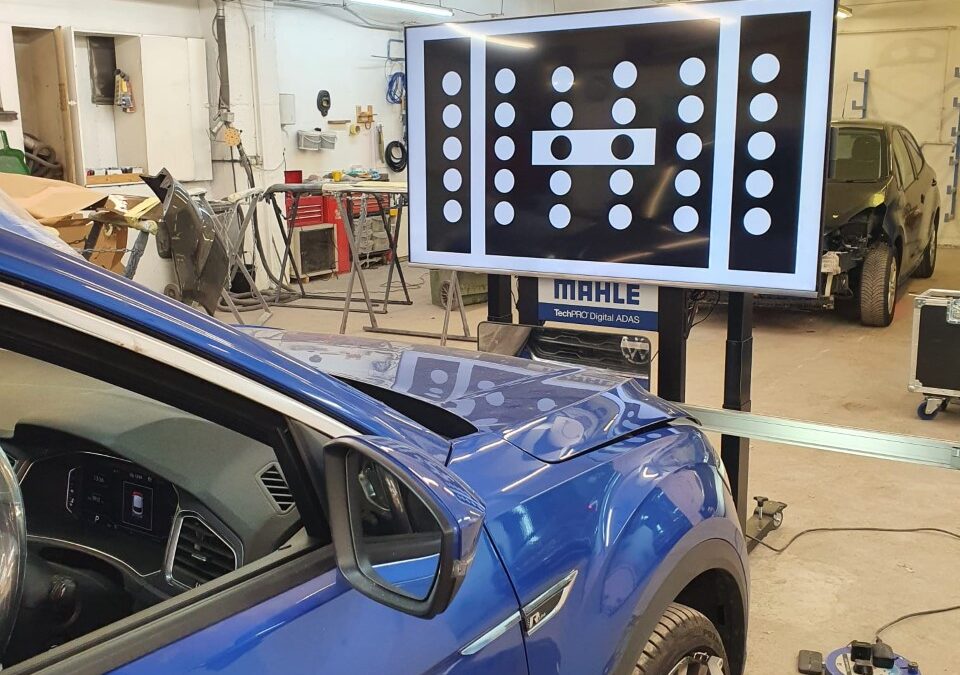
Advanced Driver Assistance Systems rely on precise sensor alignment to support safety features such as lane keeping, automatic emergency braking, and adaptive cruise control. Even a small change in sensor position can reduce system accuracy and create safety concerns. Mobile adas calibration allows trained technicians to complete the process at a convenient location using specialized equipment that meets manufacturer standards and produces dependable calibration results.
Why Accurate ADAS Calibration Matters
Modern vehicles use cameras, radar sensors, ultrasonic sensors, and control modules to monitor road conditions and nearby traffic. These components must communicate correctly to deliver reliable performance. A windshield replacement, collision repair, suspension adjustment, or wheel alignment can change sensor positioning. Proper calibration restores factory specifications and helps the vehicle interpret road information correctly. Accurate calibration also reduces the chance of warning messages, false alerts, and incorrect system responses during daily driving.
Target Boards And Calibration Panels
Target boards are among the most important tools used during ADAS calibration. These panels are carefully designed with manufacturer-specific patterns that cameras recognize during the calibration process. Technicians place them at exact distances and heights using detailed vehicle specifications. Even slight positioning errors can affect the final results. Different vehicle brands require different targets, making it necessary for repair facilities to maintain a complete selection of approved calibration panels for various makes and models.
Diagnostic Scan Tools
Professional diagnostic scan tools communicate directly with the vehicle’s electronic control modules. They identify stored fault codes, verify sensor status, and initiate calibration procedures according to manufacturer instructions. These devices also confirm whether calibration has been completed successfully. Many scan tools receive regular software updates to support newly released vehicles and changing calibration requirements. Using current software helps technicians access the latest procedures and maintain compatibility with advanced vehicle systems.
Precision Measuring Equipment
Precise measurements are essential throughout the calibration process. Technicians use laser measuring systems, digital measuring devices, tape measures, wheel clamps, and alignment gauges to position calibration equipment correctly. Every measurement must match the manufacturer’s specifications because small differences can affect sensor performance. Clean workshop floors and level surfaces also contribute to reliable measurements. Careful positioning helps cameras and radar sensors recognize reference targets accurately and complete calibration without unnecessary adjustments or repeated procedures.
Wheel Alignment Systems
Wheel alignment equipment plays a valuable role in accurate ADAS calibration because steering and suspension angles influence sensor operation. Incorrect wheel alignment can affect lane-centering systems and other driver assistance functions. Many manufacturers recommend checking or correcting wheel alignment before calibration begins. Technicians verify toe, camber, caster, and steering wheel position to ensure the vehicle meets factory specifications. Completing alignment first provides a stable foundation for successful sensor calibration and improves overall driving performance.
Additional Equipment Used During Calibration
Several supporting tools help technicians complete calibration accurately and efficiently:
- Stable calibration frames designed for manufacturer-approved targets.
- Digital levels to verify equipment positioning.
- Laser alignment devices for precise target placement.
- Tire pressure gauges to confirm correct inflation.
- Battery support units that maintain steady vehicle voltage.
- Clean lighting equipment that improves camera visibility.
- Manufacturer service information containing exact calibration procedures.
Using every tool correctly creates consistent results and reduces the possibility of calibration errors.
Step-By-Step Process For Accurate ADAS Calibration
Successful calibration follows an organized process that leaves little room for error. Technicians begin by inspecting the vehicle for damage, checking tire pressure, confirming proper wheel alignment, and scanning for diagnostic trouble codes. Calibration targets are positioned according to manufacturer measurements before the scan tool starts the required procedure. System verification follows the calibration process to confirm successful completion. Final road testing, when recommended by the manufacturer, provides additional confirmation that every driver assistance feature performs as intended.
Conclusion
Reliable ADAS calibration depends on specialized equipment, accurate measurements, and careful attention to manufacturer procedures. Target boards, diagnostic scan tools, measuring devices, wheel alignment systems, and supporting equipment all contribute to successful sensor calibration. Skilled technicians combine these tools with proper training to restore factory performance after repairs or component replacement. Choosing a repair provider that follows approved calibration methods helps maintain vehicle safety systems and gives drivers greater confidence every time they travel.