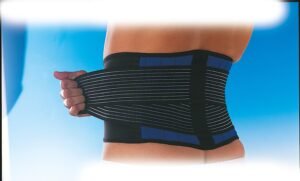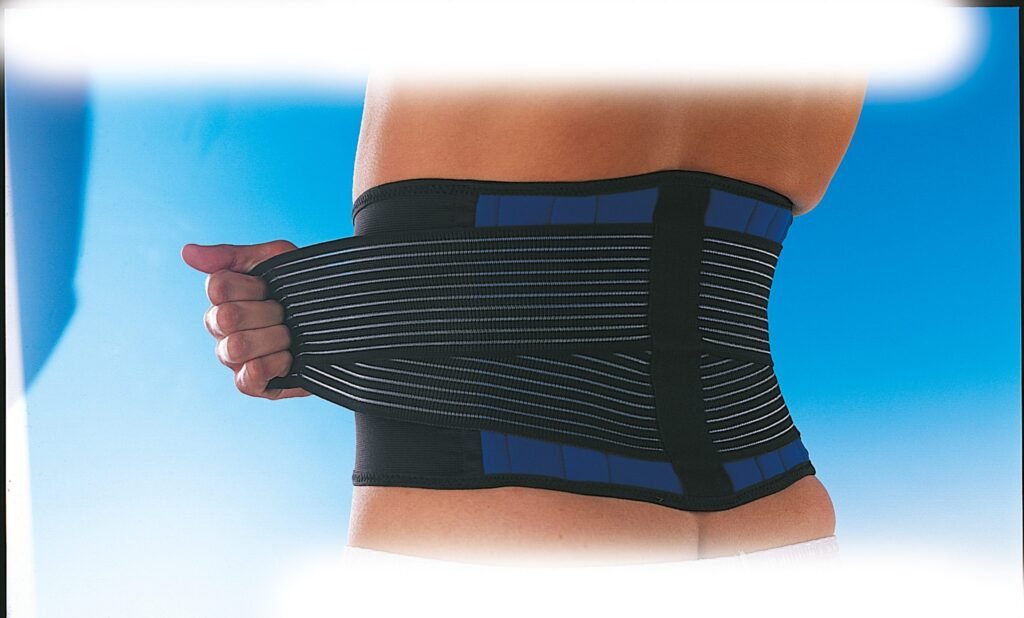
Back pain can impede regular activities, affect work efficiency, exercise, and overall quality of life. Occasional back pain can resolve through rest and general self-care; however, persistent or recurrent pain may necessitate further assistance. Back Brace Medical Equipment in San Fernando Valley provides support and reduces mobility to protect the spine under certain circumstances.
Nevertheless, a back brace may not be appropriate for everyone or for all instances of back pain. Knowing when to utilize one can help you decide whether this option is right for you. Injuries, post-surgery, certain spinal conditions, and other factors exist where using a back brace temporarily might be beneficial.
When You Experience Persistent Back Pain
One example might be considering the use of a back brace due to prolonged discomfort in this region. Persistent pain that does not subside through adequate rest and mild activity may benefit from additional support during healing. Braces will provide stability and restrict certain movements to decrease strain on the injured area.
It may be unwise to begin using a brace for back pain without understanding its underlying causes. There are various reasons someone might suffer from pain in this part of the body, including musculoskeletal injury, improper alignment, degenerative changes, trauma, among others. These will require different courses of action and will need proper diagnosis before prescribing braces.
During Recovery From a Back Injury
Sometimes, back injuries sustained due to falls, exercise, lifting objects, or even accidents might require some form of external stabilization until they heal completely. Depending on the nature and severity of the injury, healthcare providers may prescribe braces that keep the spine stable during healing.
Applying Back Brace Medical Equipment helps prevent any actions that would worsen the condition of injured tissues while performing various tasks throughout the day. The application period depends on each patient individually. There is no point in believing that a tighter brace offers greater safety. Such an approach often leads to misuse and improper fitting, which does not contribute to healing.
After Certain Spinal Surgeries
After certain surgeries, it may be necessary for patients to receive extra assistance to aid their recovery process. Patients might be advised to wear a back brace to provide stability, prevent any unnecessary movements, and protect the surgery site. This will vary based on the procedure performed and the advice of the physician.
Patients must adhere strictly to the guidance provided by doctors, particularly in terms of timing, duration, and restricted activities. A back brace should be regarded as just one element in post-op treatment and not as an absolute treatment approach. Other measures that could prove beneficial include physiotherapy, proper body mechanics, medications, and visits to the doctor.
When Managing Certain Spinal Conditions
Some spinal conditions may require external stabilization through professionally supervised treatment. Spinal instability, curvature, injury to vertebrae, or any other structural issue might necessitate the use of spinal braces as part of a medical protocol. The decision regarding which products will suit a patient depends on the individual needs and conditions rather than using off-the-shelf support devices.
Treatment objectives may include stabilization, limiting certain movements, and symptom management until the main problem gets addressed. As there is wide variation between various types of spinal issues, patients shouldn’t purchase any products independently. The selection process should involve evaluation by a healthcare expert who decides whether a patient requires spinal bracing and determines the appropriate type of support system.
When Your Work Involves Repetitive Strain
Tasks that require standing, lifting, bending, and repetitive motions put extra strain on the lower back. Sometimes, as part of medical treatment for a particular condition, doctors prescribe braces temporarily. While helpful under these conditions, braces aren’t substitutes for correct lifting practices, ergonomically adjusted environments, movement breaks, and strengthening exercise programs.
If you work in jobs requiring physical labor, consider modifications to your workplace and working styles accordingly. Sometimes, a brace helps in performing certain tasks temporarily, but constantly wearing one might fail to solve the root cause of back pain and minimize strain on your spine. It is important to know when to wear a brace correctly. Without professional guidance, braces alone won’t help eliminate or manage chronic problems effectively.
The Closing Thoughts
Back braces serve an important purpose under specific circumstances, but they are certainly not a cure-all remedy for everyone suffering from back pain. A doctor might recommend the use of a brace during the recovery process after experiencing a traumatic event, after certain types of surgery involving the spine, due to some spinal disorders, or to give additional support while participating in specific actions temporarily. You will have to select the correct products based on the root of your problem, physical state, and the opinion of your physician. Selecting Back Brace Medical Equipment without consulting an expert could lead to improper fitting or developing a dependence on the brace. It is crucial to keep this aspect in mind because you must treat back pain comprehensively.