Scars develop after skin injury, surgery, burns, or acne as part of the body’s natural healing response. While many scars improve with time, others remain visible, thick, or uncomfortable and may affect appearance and daily comfort. Early evaluation from a Plastic Surgeon in South Jordan, UT helps determine whether a scar requires advanced treatment. Professional assessment identifies the most suitable approach for improving texture, color balance, and flexibility while preventing long-term skin complications.
How Scars Form
Scar formation begins when the body produces collagen fibers to repair damaged skin. This process restores closure but does not recreate original skin structure. As a result, scars may appear raised, sunken, or discolored depending on injury depth. Factors such as genetics, skin type, age, and wound care quality influence how a scar develops. Some scars fade gradually, while others remain prominent due to irregular collagen alignment or prolonged inflammation during healing.
Scar Types That Require Specialist Attention
Certain scar types benefit from medical evaluation due to their unpredictable behavior. Hypertrophic scars grow above the skin surface but remain within wound boundaries. Keloids extend beyond the original injury site and may continue expanding. Contracture scars tighten skin and restrict movement, often following burns. Deep acne scars create uneven texture that topical products cannot correct. Each type requires a tailored approach based on severity and tissue response for effective improvement.
Warning Signs That Indicate Consultation
Persistent changes in scar appearance signal the need for professional care. Continuous thickening or elevation suggests abnormal healing activity. Ongoing pain, itching, or sensitivity may indicate underlying tissue tension. Restricted movement near joints can result from tightening scar tissue. Discoloration that does not improve over time often requires intervention. Scars located on visible areas such as the face or neck may also warrant evaluation due to cosmetic and psychological impact.
Importance of Timing in Scar Treatment
Timing significantly affects treatment outcomes. Early-stage scars respond better to non-invasive methods because tissue remains active and adaptable. Treatments such as silicone therapy, steroid injections, or laser resurfacing often produce noticeable improvement during this phase. Mature scars require more advanced approaches like surgical revision or dermabrasion. Proper evaluation of scar age and stability helps determine the most effective treatment plan and increases the likelihood of achieving smoother, more balanced skin results.
Non-Surgical Scar Treatment Options
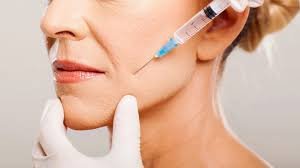
Non-surgical treatments offer improvement for mild to moderate scars. Silicone sheets help flatten raised scars by regulating moisture and pressure. Laser therapy reduces discoloration and improves surface texture by stimulating collagen remodeling. Microneedling creates controlled micro-injuries that encourage new skin growth. Injectable treatments can reduce thickness in raised scars. These methods are often combined for enhanced results, especially when scars involve uneven pigmentation or mild structural irregularities.
Surgical and Advanced Treatment Methods
Severe or long-standing scars may require surgical intervention. Scar revision surgery removes or repositions scar tissue to create a smoother appearance aligned with natural skin lines. Skin grafting may be used for extensive damage or contracture release. Advanced laser systems refine deeper layers of scar tissue for improved texture. These procedures are selected based on scar depth, location, and surrounding tissue condition, offering structured correction for complex or resistant scars.
Emotional and Psychological Effects of Scars
Scars influence more than physical appearance, often affecting confidence and social interaction. Visible scars may lead to self-consciousness or emotional discomfort in public settings. Long-standing scars can impact body image and personal expression. Treatment planning addresses both physical correction and emotional well-being. Improved skin appearance often supports greater confidence and comfort in daily life. Professional care helps individuals regain control over how they feel about their appearance and overall identity.
What Happens During a Consultation
A scar consultation begins with a detailed review of medical history and the injury or condition that caused the scar. The surgeon examines texture, thickness, color, and flexibility of the affected area. Photographs may be taken to monitor progress throughout treatment. A customized plan is developed based on scar type and severity. The plan outlines recommended procedures, expected results, and recovery timelines to ensure clarity and realistic expectations before treatment begins.
Recovery and Aftercare Process
Recovery depends on the selected treatment method. Non-invasive procedures usually involve minimal downtime and gradual improvement over weeks. Surgical treatments require longer healing periods with structured care instructions. Sun protection plays an important role in preventing pigmentation changes during recovery. Follow-up visits allow monitoring of healing progress and adjustment of care plans if needed. Proper aftercare ensures stable results, reduces complications, and supports long-term improvement in scar appearance and skin quality.
Conclusion
Consulting a plastic surgeon for scars depends on how the scar affects appearance, comfort, and function. Early professional evaluation expands treatment possibilities and improves overall outcomes. Whether addressing cosmetic concerns or functional limitations, structured medical care provides targeted solutions for different scar types. With the right approach, scar appearance can be significantly improved, helping restore smoother skin texture, better movement, and increased confidence in daily life.