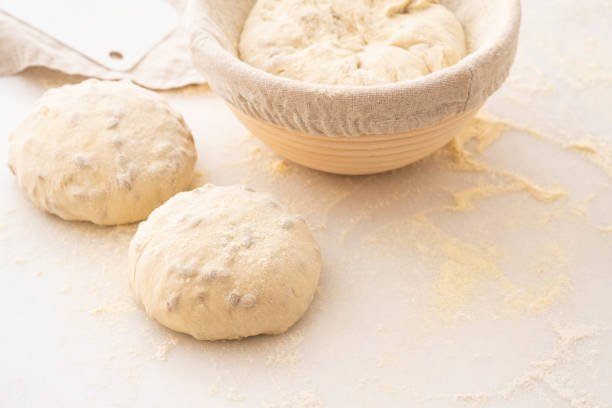
Baking bread. Dough in proofing basket on wooden table with flour. Top view.
If you’ve ever watched any bread videos online, you’ve seen those lovely wicker baskets that bakers slide their dough into just before popping it into the oven. I had no idea that this common kitchen tool was one of the most valuable things in my kitchen until recently. Let’s discuss them, shall we? I think that many home bakers, myself included, often miss out on utilizing these wonderful pieces of equipment, resulting in underdeveloped loaves of bread that are more like pancakes.
What Exactly Is A Proofing Basket, And Why Does It Matter
A proofing basket is, in fact, simply a piece of woven rattan or cane that holds the dough during proofing. It seems almost too simple to make a difference, but the special shaping of the basket helps develop the structure of the bread, allowing it to rise in an upward direction instead of slouching outwards and forming a wide, squat loaf. I personally learned the importance of a proofing basket after several disappointing mornings spent staring at the sink at the sight of my pancake-like baguettes.
The Real Benefit Nobody Tells You About
Here’s the thing people don’t mention enough. Using proofing baskets isn’t just about shape. It’s about moisture control too. The natural fibers in a cane basket draw off some moisture from the dough surface, allowing for a thin dry skin to form. It’s what allows all those lovely scoring marks to hold their shape, and to form that beautiful “ear” of sourdoughs. Without it, your dough is going to be a lot more sticky and hard to deal with. Trust me, I didn’t believe it either until I tested it myself and saw it with my own eyes.

Round Versus Oval, Which One Do You Actually Need
Most beginners just grab whatever’s cheapest online, which, fine, I get it. But round baskets are better for boules, those classic round sourdough loaves. Oval ones, sometimes called batards, work better if you’re making longer loaves or want something that fits a standard loaf pan shape once baked. If you only buy one, go round. It’s more versatile and honestly easier to find flour patterns to line it with if you’re new to this whole thing.
Do You Really Need The Cloth Liner Inside
Some bakers swear by lining their basket with a linen cloth, others go bare basket every time. Both work, not gonna lie. The liner makes cleanup easier and it’s a bit more forgiving for wetter doughs that might stick otherwise. But bare cane baskets, once they’re seasoned with a bit of flour buildup, actually create those pretty ridged patterns you see on artisan loaves. I use both depending on my mood, honestly. There’s no wrong answer here.
Flour Matters More Than You’d Think
When you’re using proofing baskets, the flour you dust them with actually changes the outcome. Rice flour is the gold standard because it doesn’t absorb moisture the same way wheat flour does, so your dough won’t stick even after a long cold proof in the fridge overnight. I switched to rice flour maybe two years ago and never looked back. Wheat flour works in a pinch but you’ll fight with sticking more often than not, especially with wetter doughs.
Where To Buy Baking Supplies That Won’t Fall Apart On You
This is where people get stuck. Loads of folks ask where to buy baking supplies that are actually decent quality instead of some flimsy version that cracks after three uses. Specialty baking shops are your best bet if you want to see and feel the basket before buying. If you’re shopping online, look at kitchen supply stores that specialize in bread-making tools specifically, not general cookware sites that just happen to carry one or two options. Local farmers markets sometimes have artisan bakers selling their own baskets too, which honestly might be your best find yet. Prices range a good bit, but a solid rattan banneton usually runs somewhere between fifteen and thirty dollars, and that’s a fair price for something that’ll last years if you treat it right.

Caring For Your Basket So It Lasts
Don’t wash these things with soap and water, please. I made that mistake once and the basket smelled weird for weeks and never dried right. Instead, just tap out the excess flour after each use and let it air dry completely before storing it away. Every once in a while give it a light dusting with more flour to keep it seasoned. Treat it kind of like a cast iron pan, in a way. Not exact same care, but similar mindset of building up a protective layer over time.
Common Mistakes Beginners Make With Proofing Baskets
The biggest one, and I did this constantly when I started, is using too little flour, so the dough sticks stubbornly to the basket and you end up tearing your beautiful loaf trying to flip it out. Another mistake is proofing too long, letting the dough overproof so it collapses the second it hits the hot oven. And a smaller one, but still annoying, is buying a basket that’s way too big or small for the amount of dough you typically work with. Match your basket size to your usual recipe, it saves a lot of headache.
Are Proofing Baskets Worth The Investment For Casual Bakers
Honestly? Yes, even if you’re not baking every single week. A decent basket isn’t expensive, and it genuinely changes the texture and look of your bread. If you’re the kind of person who bakes maybe once a month just for fun, you’ll still notice the difference the very first time you use one. It’s one of those small kitchen investments that pays off way more than its price tag suggests. Not every tool in a kitchen earns its keep, but this one does.
Final Thoughts On Using Proofing Baskets For Home Baking
At the end of the day, using proofing baskets isn’t some fancy trick reserved for professional bakers with years of training. It’s a simple tool that solves a real problem, dough that spreads out and loses its shape during the final proof. Whether you go round or oval, lined or bare, rice flour or wheat, the important part is just getting one and actually using it consistently. And when you’re figuring out where to buy baking supplies, don’t settle for the first cheap option you see. Spend a little more on something that’ll hold up, season nicely over time, and make your bread look like it came from an actual bakery instead of your kitchen counter. Give it a try on your next bake. You’ll probably wonder why you waited this long.

Frequently Asked Questions
What is the purpose of using proofing baskets in bread making?
Proofing baskets hold the dough’s shape during its final rise and help pull moisture from the surface, which makes scoring easier and gives loaves that classic bakery look.
Can I bake bread without a proofing basket?
Yes, you can use a bowl lined with a floured towel instead, but the shape and texture won’t be quite the same as what a proper banneton gives you.
Where to buy baking supplies like proofing baskets locally?
Specialty kitchen stores, farmers markets with local bakers, and dedicated bread-baking supply shops are usually your best options for quality baskets.
How do I know what size proofing basket to buy?
Match the basket size to the amount of dough your typical recipe makes, usually somewhere around 500 grams to a kilogram of flour for most home bakers.
Do proofing baskets need special cleaning?
No soap or water. Just tap out excess flour and let it air dry fully before storing, then re-flour lightly before your next use.