Industrial waste management requires dependable treatment methods that reduce waste volume and manage hazardous materials responsibly. A rotary incinerator is designed to process certain solid, semi solid, and challenging waste streams through controlled high temperature combustion. Selecting a suitable system depends on waste composition, daily capacity, operating conditions, and applicable environmental regulations.
What Is a Rotary Incinerator?
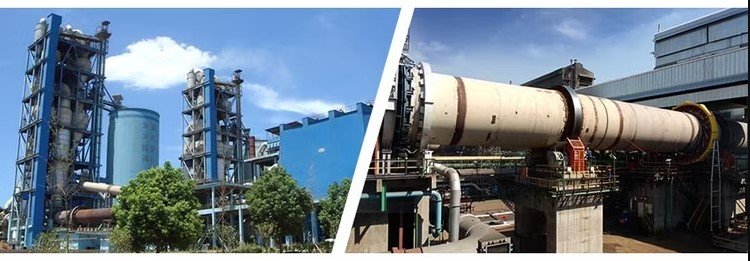
A rotary incinerator uses a rotating cylindrical chamber to move and mix waste during combustion. This movement can improve contact with heat and support treatment of varied materials. Depending on design, systems may include a secondary combustion chamber and emissions control equipment to manage exhaust gases and particles more effectively.
How to Select the Right Incinerator Capacity
The best rotary incinerator is not necessarily the largest model; it is the one matched to the facility’s waste profile. Operators should assess waste type, moisture content, heating value, bulk density, daily quantity, and required operating hours before comparing rated capacities and fuel estimates with qualified suppliers during project planning.
Types of Industrial Waste for Incineration
Industrial waste can vary widely, ranging from process residues and contaminated packaging to certain chemical or production by products. Not every waste type is suitable for incineration, so a technical assessment must identify prohibited materials, pretreatment needs, and safe handling procedures. Correct segregation helps maintain consistent operation and reduces avoidable risks.
Important Features of Rotary Incinerators
A rotary incinerator installation should be evaluated for combustion control, refractory lining, automated temperature monitoring, loading arrangements, and emergency shutdown features. A properly designed system maintains operating conditions suited to approved waste streams and supports safer operation. Equipment specifications should clearly state throughput limits and required operator procedures before installation.
Emission Control and Environmental Compliance
An incinerator installation should be evaluated for combustion control, refractory lining, automated temperature monitoring, loading arrangements, and emergency shutdown features. Exhaust treatment may require suitable scrubbers, filters, or other pollution control equipment based on the waste and local rules. Operators must verify all permits, emissions limits, and monitoring requirements beforehand.
What Is a Chicken House Incinerator?
A chicken house incinerator is a specialized solution for poultry farm waste, including certain mortalities and organic by products where local regulations allow incineration. It should be selected according to flock size, expected waste volume, biosecurity needs, and operating schedule rather than used as a default industrial waste system without assessment.
Operating Costs and Maintenance Requirements
Fuel and maintenance costs influence long term value. Compare expected fuel use, refractory replacement, spare part availability, service access, operator training, and downtime. A planned maintenance schedule helps identify wear early and protect performance. Suppliers should explain throughput, startup and shutdown procedures, and operating limitations before purchase under expected site conditions clearly.
Factors to Consider Before Purchasing
Before selecting a rotary incinerator, facilities should complete a waste audit and confirm which materials are legally permitted for thermal treatment. Review site layout, fuel supply, utilities, ash handling, fire protection, and staff access. Engineering advice can help compare options and prevent purchases that cannot meet operational or compliance needs.
Industrial Applications of Rotary Incinerators
Rotary systems may be considered for selected industrial applications where waste characteristics suit thermal treatment, including some manufacturing residues and contaminated solids. Final suitability depends on emissions, ash classification, energy use, and permitting. Pre treatment, segregation, or alternative technologies may be more appropriate for some materials, so compare options objectively first.
Conclusion
Choosing the best rotary incinerator starts with waste composition, throughput, operating costs, and environmental obligations. Confirm suitability through professional assessment, verify permits and emission controls, and compare lifecycle costs. A chicken house incinerator serves poultry specific needs and should be selected for farm waste, not assumed universally suitable for industrial waste