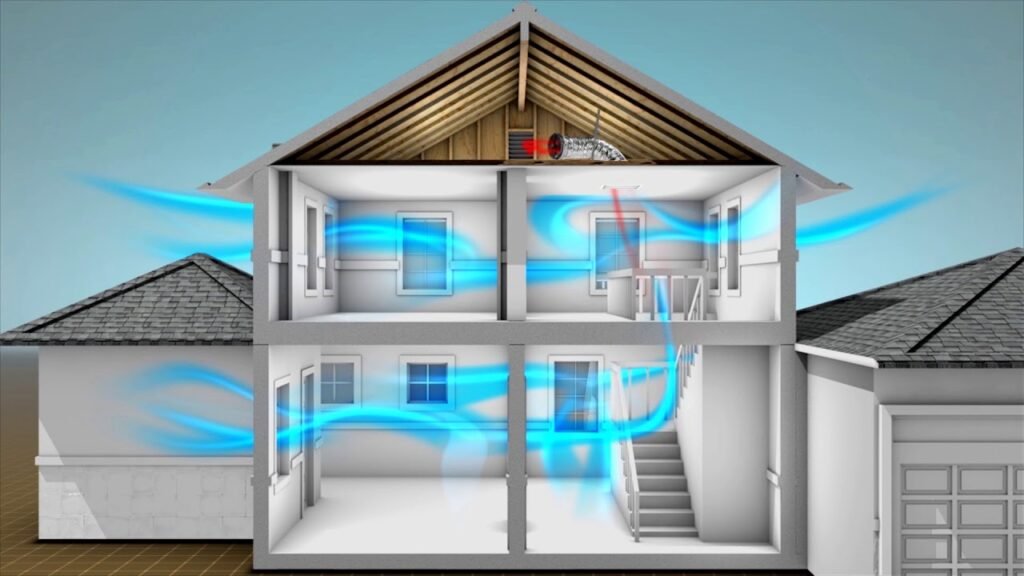
Multi-storey homes require carefully planned airflow routes to ensure fresh air reaches occupied rooms and stale air is removed from areas where moisture builds up. A whole house ventilation system can be arranged around the property’s floor plan, with duct placement, air supply points, and extraction locations selected to suit different levels and room functions. Ceiling voids, service cupboards, and available installation space can influence the system’s configuration. Heat recovery technology may also transfer warmth from outgoing air to incoming fresh air, reducing heat loss during ventilation. Coordinating these elements during building design or renovation helps support balanced airflow, indoor comfort, and efficient operation throughout the home.
Improving Residential Energy Performance with Controlled Ventilation
A properly configured ventilation system can help reduce unnecessary energy use by controlling the movement of fresh and stale air throughout a home. This approach supports the removal of indoor pollutants while reducing reliance on uncontrolled air leakage. In tightly sealed properties, planned air exchange becomes particularly important because natural airflow may be limited. Heat recovery can further improve efficiency by transferring warmth from extracted air to incoming outdoor air, reducing the workload on heating and cooling equipment.
Ventilation also works alongside insulation by helping manage moisture generated through everyday household activities. Persistent humidity may affect building materials or contribute to condensation in insulated areas. Regular air replacement can help disperse airborne contaminants and maintain more suitable indoor conditions. These combined benefits support household comfort while helping control the energy needed to maintain the desired temperature.
Maintaining Comfortable Temperatures with Even Air Distribution
Balanced ventilation coordinates incoming fresh air with the removal of stale air, helping maintain consistent circulation across residential rooms. Carefully adjusted supply and extraction rates can reduce unwanted pressure imbalances that contribute to draughts or unpredictable airflow. A more controlled exchange also helps heating and cooling systems maintain indoor temperatures without unnecessary fluctuations caused by poorly managed ventilation.
Removing humid air from kitchens, bathrooms, and other occupied areas can help limit moisture accumulation. Consistent circulation may also reduce the concentration of indoor pollutants over time. By distributing fresh air to appropriate rooms and extracting used air where needed, a balanced arrangement helps create more stable living conditions while supporting efficient operation throughout the property.
Supporting Indoor Air Quality with Heat Recovery Ventilation
Heat ventilation combines planned air replacement with the recovery of thermal energy to improve ventilation performance. As extracted indoor air passes through a heat exchanger, some of its energy transfers to incoming outdoor air without the two streams mixing directly. This process helps bring fresh air closer to the desired indoor temperature before distribution, potentially lowering the energy required for heating or cooling.
At the same time, the system removes stale air and helps manage excess humidity in occupied spaces. Continuous air exchange can also assist in reducing airborne contaminants that accumulate indoors. Combining heat recovery with controlled circulation allows residential ventilation to address air freshness, moisture management, and energy efficiency within one coordinated approach.
Controlling Air Exchange to Avoid Excessive Heating and Cooling Demand
Residential ventilation performs more efficiently when airflow rates are matched to the building’s size, occupancy, and room requirements. Delivering an appropriate volume of fresh air helps maintain indoor air quality without creating unnecessary ventilation loads that increase heating or cooling demand. Planned circulation can therefore reduce avoidable temperature losses and support more consistent operation of climate-control equipment.
Effective air exchange also helps remove stale air and regulate moisture levels in frequently used rooms. Managing humidity can protect internal surfaces and building materials from prolonged damp conditions. By tailoring ventilation performance to household needs, a property can maintain suitable fresh-air circulation while limiting unnecessary energy consumption.
Limiting Heat Loss through Heat Recovery and Ventilation
Heat recovery and ventilation systems transfer thermal energy between outgoing indoor air and incoming outdoor air, helping reduce the energy lost during regular air replacement. In colder weather, recovered warmth can raise the temperature of incoming air before it reaches living spaces. This reduces the amount of additional heating needed to maintain comfortable indoor conditions, although actual savings depend on the building and system performance.
The process supports ongoing ventilation without requiring all replacement air to be heated from outdoor temperatures. Removing stale air and excess moisture also helps maintain suitable indoor conditions. When correctly designed and maintained, heat recovery ventilation can balance fresh-air delivery with reduced thermal losses and more efficient household temperature management.
Maintaining Fresh Indoor Environments through Consistent Air Exchange
Regularly replacing indoor air helps reduce the buildup of stale odours, airborne particles, and other common contaminants in residential spaces. A suitable ventilation design distributes fresh air throughout occupied rooms while extracting used air from areas where moisture and pollutants are more likely to accumulate. This can contribute to a fresher indoor environment and help manage humidity that may otherwise lead to condensation or dampness.
Well-planned airflow can also support more even temperature conditions between different parts of a home. When ventilation operates alongside appropriately sized heating and cooling equipment, it can help limit avoidable energy demand while maintaining air circulation. Bringing together fresh-air supply, moisture control, and temperature management supports comfortable conditions for everyday household use.
Transferring Reusable Heat during Routine Air Exchange
A heat energy recovery system captures thermal energy from outgoing indoor air and transfers it to incoming outdoor air, helping minimise heat loss during ventilation. This exchange occurs within a heat exchanger that keeps both air streams separate. By warming or cooling replacement air closer to the desired indoor temperature, the system can reduce the demand placed on household climate-control equipment.
Recovering thermal energy can also help limit temperature fluctuations as outdoor conditions vary. At the same time, ventilation continues to remove stale air and manage excess indoor moisture. Combining heat transfer with regulated air movement helps maintain fresh indoor conditions while reducing unnecessary energy losses and supporting residential comfort.
Adapting Ventilation Performance with Intelligent Controls
Smart ventilation controls can respond to changing indoor conditions by adjusting the amount of air supplied and extracted. Sensors may monitor factors such as humidity, carbon dioxide levels, and temperature to help identify when airflow needs to change. This responsive operation can support suitable indoor air quality while avoiding excessive ventilation that may increase energy use or affect thermal comfort.
Some systems can also integrate with home automation equipment and broader energy-management controls. Adjustments based on occupancy or environmental readings can help match ventilation to actual household requirements. Depending on the features available, automated operation may also support moisture regulation and the removal of indoor contaminants. These functions provide greater flexibility when managing airflow as residential conditions change throughout the day.
Improving Air Exchange with a Mechanical Heat Recovery Unit
A mechanical heat recovery unit combines powered ventilation with thermal energy transfer to improve the efficiency of residential air exchange. Inside the unit, a heat exchanger transfers energy from extracted indoor air to incoming outdoor air without mixing the two streams. This process preconditions the fresh air before distribution, potentially reducing the additional heating or cooling required to maintain comfortable indoor temperatures.
Extracting stale, moisture-laden air can also help limit condensation and excessive humidity in suitable applications. Fresh outdoor air replaces the extracted air, supporting regular renewal and helping reduce the buildup of indoor pollutants. By coordinating mechanical airflow with heat recovery, these units help balance ventilation requirements, energy consumption, and comfort across residential spaces.
Combining Air Filtration with Carefully Managed Ventilation
Filtration can improve incoming air quality by capturing selected airborne particles and allergens before the air reaches living areas. When incorporated into a well-designed ventilation system, suitable filters can help distribute cleaner air throughout the property and reduce the likelihood of poorly ventilated rooms. Correct airflow planning also helps ensure that fresh air reaches the spaces where it is needed without unnecessary over-ventilation.
Balanced circulation can assist with indoor moisture management while helping limit avoidable heating and cooling demand. Selecting suitable filters and maintaining appropriate ventilation rates are important for effective operation. By bringing filtration and regulated airflow together, a residential system can help manage airborne particles while supporting consistent indoor conditions and efficient everyday performance.
Maintaining Seasonal Comfort with a Full House Ventilation System
A full house ventilation system coordinates fresh-air delivery and stale-air removal throughout a property, helping maintain regular air exchange as seasonal conditions change. This circulation can assist in managing indoor humidity and reducing the accumulation of airborne contaminants. Where heat recovery is included, thermal energy from extracted air can be transferred to incoming air, reducing the heat lost when conditioned indoor air is replaced.
A properly distributed airflow pattern can help limit stagnant areas and maintain more consistent indoor conditions during warmer and cooler periods. Heat recovery may further reduce the energy needed to adjust incoming air to a comfortable temperature, depending on the equipment and operating environment. Combining whole-home air circulation with thermal recovery supports indoor freshness, temperature management, and energy-conscious operation throughout the year.
Conclusion
A whole-house ventilation system helps regulate indoor airflow and maintain healthier conditions across contemporary residential properties. Heat recovery technology and automated controls can enhance efficiency by limiting heat loss during regular air circulation. Supplying fresh air to different rooms also assists with removing stale air and reducing the accumulation of indoor contaminants. When properly planned and configured, whole house ventilation systems can deliver balanced air distribution, manage energy consumption, and contribute to a more comfortable home environment.
FAQs
How can a whole house ventilation system improve indoor air quality?
A whole house ventilation system replaces stale indoor air with fresh outdoor air while helping remove accumulated pollutants and excess moisture from residential rooms.
How does heat recovery reduce wasted energy?
Heat recovery captures warmth from extracted indoor air and transfers it to incoming fresh air. This process reduces the amount of heat lost during ventilation and may lower the energy needed to maintain indoor comfort.
What makes regulated air exchange beneficial in homes?
Regulated air exchange manages how fresh air enters a property and how stale air leaves. Maintaining this balance encourages reliable ventilation without excessive energy consumption or unnecessary changes to indoor comfort.
Why should residential ventilation systems control humidity?
Managing indoor humidity reduces the likelihood of excess moisture accumulating on surfaces and within living spaces. Appropriate moisture levels can help prevent condensation, discourage mould growth, and protect the property’s interior.
How does air filtration benefit a home ventilation system?
Filters remove some airborne particles, such as dust, allergens, and other contaminants, from circulating air. Effective filtration can contribute to cleaner indoor air and more comfortable conditions throughout the residence.
| Related Business Listings |
| Contact Directory |
| Local Business Profiles |