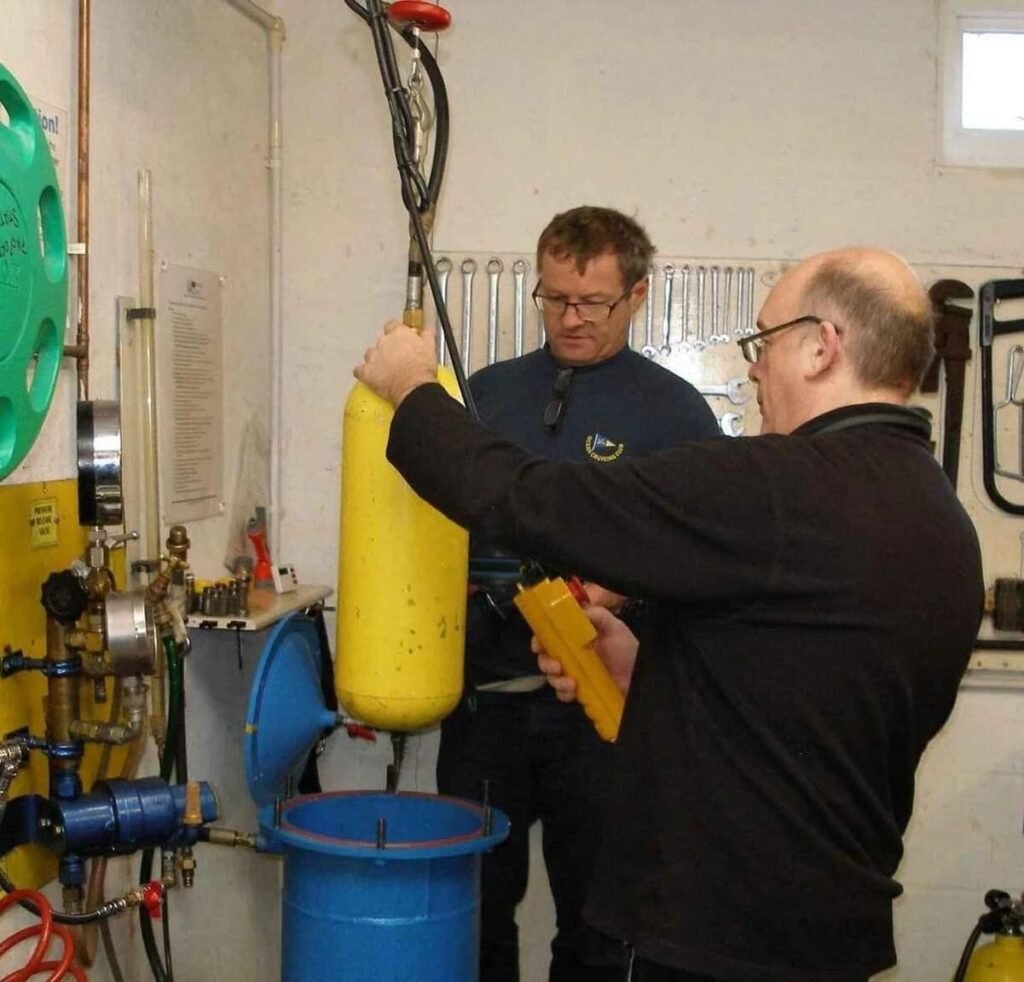
If you’re new to the idea, here’s the short version: a dive technician course teaches you how to inspect, maintain, and repair scuba diving equipment properly, to the standards set by manufacturers and the wider diving industry. It’s not the same as becoming a dive instructor. Instructors teach people how to dive safely underwater. Technicians make sure the gear those divers rely on is actually safe to use in the first place, long before anyone gets in the water. Two very different skill sets, both essential to the sport functioning safely.
A lot of people outside the industry assume these two roles overlap more than they actually do. In reality, an instructor might never touch the inside of a regulator, and a technician might never lead a single dive. They’re parallel careers that both matter, just in completely different ways.
What You’ll Actually Cover in the Course
Every training provider structures things a little differently, but most dive technician courses circle around the same core areas, even if the order or depth of coverage varies.
Regulator servicing is usually the heart of it, learning the ins and outs of first and second stage mechanics, how to take them apart safely, clean them properly without damaging delicate components, and put them back together exactly to manufacturer spec. This is often where students spend the most time, since regulators are the most mechanically complex and safety-critical piece of gear a technician will handle regularly.
Then there’s BCD maintenance, which covers inflator mechanisms, bladders, and the kind of slow leaks that are easy to miss if you don’t know exactly what to look for or how to properly pressure test the unit. A BCD that seems fine during a quick visual check can still have a slow leak that only becomes obvious after extended use underwater.
Cylinder inspection and valve servicing is another major piece of the curriculum, learning what a proper visual inspection actually involves, what disqualifies a cylinder from continued use, and how to service valves correctly without compromising the seal. You’ll also spend real time on regulator tuning and testing, using pressure gauges and flow testers to confirm everything is within safe operating range, not just “looks fine” based on a quick visual or breathing test.
There’s a less glamorous but equally important side too: documentation. Learning how to properly log service history isn’t exciting, and it’s often the part students least look forward to, but it protects everyone involved if something is ever questioned down the line, whether that’s a liability issue or simply tracking when a piece of equipment is next due for service. And since most technicians end up working inside an actual dive shop rather than in isolation, you’ll also pick up an understanding of how servicing fits into daily shop operations, managing customer expectations, turnaround times, and workflow, not just the mechanical side in isolation from the business around it.
Programs like ASSET Technical Training often organize their courses around specific equipment brands too, since a lot of manufacturers require technicians to be specifically certified on their particular product lines before they’re authorized to service that gear commercially and use genuine replacement parts. So depending on what you’re aiming for professionally, you might end up training on more than one brand track over time, building out a broader range of authorized servicing capabilities.
Who Actually Takes This Kind of Course
It’s a broader group of people than most would expect. Plenty of recreational divers take a dive technician course because they want a diving career that doesn’t require years of building up instructor hours or leading countless open water certifications before they feel established. Dive shop staff often take it to add real value to where they already work, becoming the person who can service gear in-house instead of sending everything out to a third party and losing both time and profit margin in the process.
And then there are the naturally mechanically-minded people, folks who might not even come from a diving background originally, but who take to the hands-on, problem-solving nature of the work almost immediately once they’re exposed to it. Some come from backgrounds in automotive repair, aviation maintenance, or general mechanical trades, and find that the underlying skills translate surprisingly well.
What You Should Be Able to Do by the End
By the time you finish a proper dive technician course, you should genuinely be able to service and test a regulator system on your own, without someone standing over your shoulder checking every step. You should be able to spot and fix common BCD issues confidently, perform basic cylinder visual inspections to a professional standard, and follow manufacturer-specific servicing steps without second-guessing yourself or needing to constantly reference the manual.
Just as importantly, you should understand how to document your work properly and follow the safety standards that come with handling compressed gas equipment, because that part isn’t optional in this line of work. Regulatory and safety compliance around pressurized cylinders and life-support gear is taken seriously across the industry, and a course that skips over this side of things isn’t preparing you fully for real employment.
That’s really the goal of good training. Not just knowing the theory behind how gear works, but walking out capable enough that a dive shop could hand you real customer equipment on day one and genuinely trust you with it, rather than needing weeks of supervised probation before you’re allowed to work independently.
Choosing the Right Course for You
Not every dive technician course is built the same way, so it’s worth paying attention to a few things before committing. Look at how much actual hands-on bench time is built into the program versus classroom theory. Check whether the course is tied to recognized manufacturer standards, since that affects whether you’ll be authorized to service certain brands afterward. And consider whether the provider offers ongoing or advanced training down the line, since the equipment you learn on today won’t be the only equipment you’ll ever encounter in your career.
Frequently Asked Questions
How long does it typically take to complete a dive technician course?
It depends on the depth of the program and how many brands or equipment types are covered, but foundational courses can often be completed in a relatively short, intensive period, while more comprehensive multi-brand training takes longer.
Do I get certified on multiple equipment brands automatically?
Not usually. Brand-specific authorization is often separate, meaning you may need to complete additional brand-focused modules to be authorized to service certain manufacturers’ equipment commercially.
Can I take this course if I have no prior diving experience at all?
Some programs accept students with limited or no diving background, particularly if they have strong mechanical aptitude, though having diving experience is generally seen as helpful context.
Is the course mostly theory-based or hands-on?
A well-structured dive technician course should lean heavily toward hands-on, practical bench work, with theory supporting the practical skills rather than replacing them.
What’s the difference between this and just being trained informally at a shop?
Informal, on-the-job training can teach you tasks, but it often lacks the standardized, manufacturer-approved procedures and formal documentation practices that a structured course provides, which matters for both safety and professional credibility.