Dark Crime Thriller Book
Crime has changed with technology, and crime fiction is changing with it. From stolen identities and online scams to hidden digital evidence, modern criminals can cause serious harm without ever meeting their victims. A Dark Crime Thriller Book can use these threats to create suspense, explore human behaviour, and show how easily trust can be broken in a connected world. Moreover, digital crime introduces new questions about privacy, power, and justice that feel close to everyday life.
For readers who enjoy suspenseful storytelling, these developments open the door to gripping mystery plots and unexpected discoveries. However, technology alone does not make a story exciting. The strongest crime fiction combines believable motives, psychological tension, and consequences that affect real people. This is why modern thrillers can feel both entertaining and unsettling.
What Is Digital Crime in Modern Thriller Fiction?
Digital crime refers to illegal activities involving computers, mobile devices, online accounts, or digital networks. In crime fiction, these offences can become the starting point for investigations, betrayals, and dangerous confrontations.
For example, a criminal might steal confidential information to blackmail a powerful person. Similarly, an anonymous message could expose a secret that someone has spent years hiding. Consequently, a seemingly ordinary online interaction can lead to a much larger investigation.
Common forms of digital crime featured in modern thrillers include:
- Identity theft: Criminals use stolen personal information to deceive others or access accounts.
- Online fraud: Fake transactions and dishonest schemes leave victims struggling to recover their losses.
- Cyberstalking: A person uses digital platforms to threaten, monitor, or intimidate someone.
- Data breaches: Private information is exposed, creating opportunities for blackmail or manipulation.
- Digital evidence tampering: Someone attempts to hide, alter, or destroy information connected to a crime.
These situations give writers fresh ways to build crime fiction suspense while exploring the risks of technology.
Why Digital Crime Creates Powerful Suspense
Traditional crime stories often revolve around physical clues, witnesses, and suspicious behaviour. Digital investigations, however, introduce evidence that can be hidden, copied, altered, or accessed from a distance.
As a result, investigators may struggle to determine which information is genuine. A message might appear to prove someone’s guilt, yet further investigation could reveal that the account was compromised. Moreover, a missing file might suggest deliberate concealment rather than simple carelessness.
The Mystery Behind Anonymous Criminals
One of the most engaging aspects of digital crime is uncertainty about the person behind the screen.
A criminal can hide behind false identities, anonymous accounts, or misleading information. Therefore, investigators must look beyond usernames and online conversations to establish who is responsible.
This uncertainty creates opportunities for thrilling plot twists. A person who appears helpful might be misleading the investigation, while someone who seems suspicious could be hiding an entirely different truth.
Digital Clues Can Change an Entire Investigation
A single photograph, email, or transaction record can redirect a crime investigation story. Nevertheless, evidence needs careful examination because digital information can be incomplete or misleading.
Writers can use this process to build suspense gradually. First, investigators discover a clue. Next, the evidence appears to support one explanation. Finally, a new detail challenges that conclusion.
This steady change in understanding keeps readers involved and makes the final revelation more satisfying.
The Psychological Side of Digital Crime
Digital crime is not only about devices and networks. It can also involve fear, manipulation, shame, and the loss of control.
Consider someone who discovers that private messages have been exposed. Even if the person is physically safe, the threat to their reputation and relationships can cause intense distress. Similarly, a victim of online blackmail may feel trapped because every decision seems likely to make matters worse.
Psychological crime fiction explores these emotional consequences. Rather than focusing only on the criminal act, it examines how people respond when their privacy, safety, or trust is threatened.
A convincing thriller might explore:
- The fear of discovering who has been watching someone online.
- The guilt of concealing information from loved ones.
- The pressure of being wrongly accused because of misleading evidence.
- The temptation to take revenge against someone who caused serious harm.
- The struggle to trust others after a personal betrayal.
Moreover, these conflicts make characters more believable. Readers can understand their fears while questioning the choices they make under pressure.
How Modern Technology Changes the Role of Investigators
Digital evidence has created new possibilities for crime investigations. Depending on the case, investigators may examine account activity, transaction histories, device records, or other relevant information.
However, collecting information is only part of the process. Investigators must also establish whether the evidence is reliable and how it connects to the suspected offence.
Following Evidence Without Losing the Human Story
A thriller can include detailed investigative work without becoming difficult to follow. For instance, a detective might uncover a suspicious payment that connects two people who claim never to have met.
That discovery could expose a hidden relationship, reveal a financial motive, or challenge a witness’s account. Consequently, technical evidence becomes more engaging when it changes the direction of the story.
Balancing Technology With Traditional Detective Fiction Elements
Technology cannot answer every question. Investigators may still need to interview witnesses, examine motives, identify contradictions, and understand relationships.
Similarly, a digital trail may show what happened without fully explaining why someone acted in a particular way.
The best modern thrillers balance technological clues with familiar detective fiction elements. This combination gives readers both the satisfaction of solving a mystery and the emotional depth of understanding the people involved.
Justice, Corruption, and Revenge in Dark Crime Fiction
Digital crime is a modern subject, but many of its central themes are much older. Criminals may exploit power, conceal wrongdoing, or manipulate others to escape responsibility. These conflicts connect naturally with traditional crime fiction themes such as corruption, betrayal, justice, and revenge.
A Dark Crime Thriller Book can explore these issues by placing characters in situations where the truth is difficult to uncover and the consequences of failure are serious.
For example, an individual might discover evidence of corruption involving someone influential. Revealing that information could expose wrongdoing, but it might also threaten the investigator’s career or put loved ones at risk.
Therefore, the character must decide whether pursuing justice is worth the personal cost. Such dilemmas create emotional tension because readers can see the risks on both sides.
Justice Died at Dawn: Why Human Conflict Still Matters
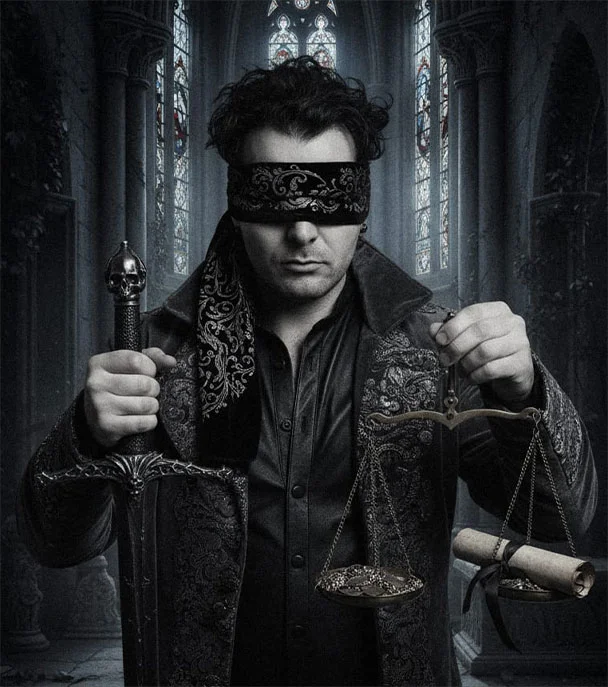
Justice Died at Dawn by viktor ujkic explores crime, corruption, betrayal, loyalty, and the struggle to find justice in a dark medieval setting associated with the Holy Roman Empire.
The story follows Victor, a poor boy whose parents are murdered. As he faces a world shaped by powerful forces and painful losses, his journey raises questions about revenge, responsibility, and the meaning of justice.
Although the novel’s setting differs from today’s digital world, its central themes remain relevant. Technology may change how crimes are committed, but fear, ambition, manipulation, and the desire for revenge continue to influence human behaviour.
Readers who enjoy psychological tension and suspenseful storytelling can find more crime fiction content at Viktor Ujkic Library. The novel offers a reminder that the heart of a gripping mystery is not simply the method used to commit a crime. It is also the people affected by it and the choices they make afterwards.
What Readers Should Look for in Modern Dark Thrillers
Not every story about technology delivers genuine suspense. A memorable thriller needs more than references to hackers, passwords, or online scams.
When choosing your next read, look for:
- Believable motives: Characters should have understandable reasons for their actions.
- Carefully placed clues: Evidence should move the investigation forward.
- Psychological depth: Fear, guilt, and mistrust should influence important decisions.
- Meaningful consequences: The crime should affect relationships and the wider story.
- Unexpected but logical revelations: Plot twists should surprise readers while making sense in hindsight.
These qualities help transform a basic crime story into a compelling reading experience. Furthermore, they allow page-turner novels to appeal to readers who want both excitement and thoughtful character development.
Conclusion: Discover the Dark Side of Every Mystery
Digital crime gives modern thrillers new ways to explore deception, privacy, investigation, and power. However, the strongest stories still depend on timeless human struggles: trust, betrayal, justice, and the consequences of difficult choices.
Whether a mystery unfolds through digital evidence or a dangerous search for the truth, readers remain invested when the characters have something meaningful to lose. For fans of intense thriller books and psychological crime fiction, Viktor Ujkic Library offers a place to discover Justice Died at Dawn and explore stories shaped by corruption, suspense, and the pursuit of justice.
Ready for a gripping crime thriller novel? Get your copy of Justice Died at Dawn today and uncover the cost of justice.