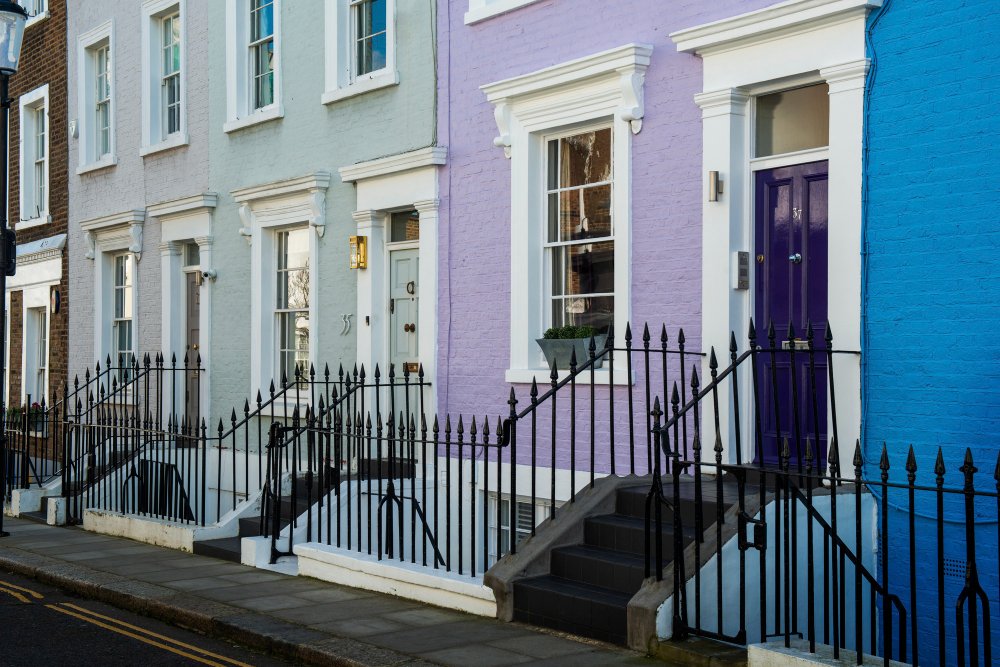
HOA and Multifamily Exterior Painting
Choosing an exterior color is often one of the most visible decisions a homeowner makes. A color that looks perfect on a sample can eventually appear different after years of exposure, and even two sections of the same property may not age at exactly the same rate. Sun exposure, the surrounding environment, the coating itself, and the orientation of different surfaces can all influence how a painted exterior looks over time.
That makes Exterior Paint more than a color choice. It is also a decision about how that color is expected to perform after months and years of exposure. Modern exterior products are available in formulations designed for durability and color retention, while Centerville Paint & Hardware carries a range of Benjamin Moore exterior coatings and provides custom paint matching for projects where consistency matters.
Why a Color May Look Different Years Later
Paint color does not exist in isolation.
Once applied to an exterior surface, it is exposed to conditions that do not exist inside a home. Sunlight can gradually affect pigments and the appearance of a coating. Moisture and environmental contaminants can also influence how a painted surface looks as time passes.
This does not mean every exterior color will dramatically change. Different formulations and pigments respond differently to exposure.
The important point is that the color selected at the beginning of a project should be considered with its expected environment and product characteristics in mind.
Sun Exposure Is Not Equal on Every Wall
Walk around many homes and you may notice that different sides of the building do not look exactly alike.
One elevation may receive significantly more direct sunlight than another. A sheltered wall may remain visually closer to its original appearance, while a highly exposed section may gradually show more change.
This can become especially noticeable when a homeowner adds a new painted section later.
A newly painted addition may look noticeably fresher than an older adjacent surface, even when the same color was originally used.
That is one reason accurate color records can become valuable.
Keep the Original Color Information
A common mistake is assuming that remembering the color name will be enough several years later.
It may not be.
Keep a record of:
- Brand
- Product line
- Color name
- Color number
- Finish
- Base
- Approximate application date
This information can make future touch-ups and repainting decisions much easier.
Centerville Paint & Hardware’s product listings identify manufacturer, model, SKU, and other product information, while the store also offers custom paint matching.
A physical color sample can also be useful, particularly when the original digital or printed reference is no longer available.
Digital Color Isn’t the Same as Physical Paint
A color displayed on a monitor is not a perfect representation of how a finished exterior will look.
Screen settings, lighting, surrounding colors, and the actual surface can all influence perception.
Centerville Paint & Hardware specifically notes on its product listings that colors shown on screen can differ from the actual paint and recommends viewing physical samples or contacting the store before purchasing.
For an exterior project, this matters because the selected color will be viewed under changing natural light throughout the day.
A sample viewed indoors under artificial lighting may not give the same impression as the same color viewed on a sunny exterior wall.
Paint Technology Can Influence Color Performance
The coating itself also matters.
For example, Centerville currently lists Benjamin Moore Regal Select exterior products described as high-build, self-priming, 100% acrylic latex coatings. The store also carries UltraSpec Exterior products in different sizes and finishes.
Different product lines are formulated for different performance characteristics, so comparing only the color name is not enough when long-term appearance matters.
The product should be selected according to the surface, project requirements, manufacturer’s recommendations, and expected conditions.
Dark Colors Deserve Extra Thought
Dark exterior colors can create a dramatic appearance, but they may also make changes in the coating more visually noticeable.
A deep color can make fading or differences between old and newly painted sections easier to see than a lighter, less saturated shade.
That does not mean dark colors should be avoided.
It simply means that homeowners should consider how important long-term color consistency will be when choosing a dramatic exterior palette.
A bold front door, for example, may be easier to update later than an entire dark-colored exterior.
Touch-Ups Can Reveal Age Differences
Small repairs sometimes create an unexpected problem.
The new paint may technically match the original color formula but still look different from the surrounding area because the older coating has changed over time.
This is one reason a touch-up does not always disappear completely into an aged painted surface.
If a repair is large enough, repainting a larger defined section may produce a more consistent appearance than attempting to blend a small patch.
The appropriate approach depends on the condition of the existing coating and the size and location of the repair.
Wood Finishes Offer Another Perspective
Not every exterior project requires an opaque paint color.
For certain wood applications, homeowners may instead consider a stain and sealer that allows some of the natural grain to remain visible.
Centerville currently carries Benjamin Moore Woodluxe Oil-Based Waterproofing Stain + Sealer in a semi-transparent formulation. The product is designed to allow the wood grain to show through and is listed with mildew- and UV-resistant properties.
This illustrates an important point: the desired long-term appearance should help determine the type of exterior coating selected.
A homeowner who wants the natural character of wood to remain visible may have a very different objective from someone looking for a solid, uniform color.
Matching Matters When an Exterior Is Updated in Stages
Exterior projects are not always completed all at once.
A homeowner might paint the main siding this year and update a garage, porch, or other structure later. A commercial property might repaint one section while another remains unchanged.
When work is divided this way, keeping accurate product information becomes even more important.
A future project can start with the original records rather than relying on memory.
Even then, an exact formula does not guarantee that an older painted surface will look identical to a newly coated one. The age and condition of the existing coating still matter.
Think About Color as a Long-Term Decision
A good exterior color should work when it is first applied and remain appropriate as the property ages.
That means considering more than current design trends.
Think about how the color interacts with the property’s architecture, surrounding landscape, nearby structures, and the amount of visual change you are comfortable with over time.
It can also be useful to consider whether the color will be easy to reproduce if repairs are needed later.
Store Records Before You Finish the Project
Once the painting is complete, save the information.
Take a photograph of the product label. Record the color and finish. Keep receipts or product documentation. If multiple colors were used, identify where each one was applied.
This small amount of organization can save considerable effort years later.
It also gives future homeowners, contractors, or maintenance teams a useful starting point.
A Better Color Choice Looks Beyond the First Coat
Exterior painting is often judged immediately after the final coat, when the color is fresh and uniform. But the more useful question is how that choice will work as the property ages.
Understanding exposure, choosing an appropriate coating, checking physical samples, documenting the exact product, and considering future touch-ups can all contribute to better long-term decisions.
Centerville Paint & Hardware offers Benjamin Moore paint products, custom color matching, local delivery, special orders, and other services that can support homeowners and contractors throughout a project.
Ultimately, Exterior Paint should be selected with both the present appearance and the future condition of the property in mind. A color that looks good today is only the beginning; thoughtful product selection and good records can help preserve a more consistent appearance as the years go by.