When it comes to maintaining a safe and durable home, few issues are as critical—yet often overlooked—as foundation cracks. At first glance, a small crack in the wall or floor may seem harmless, even expected in aging structures. However, these seemingly minor imperfections can signal deeper structural concerns that, if left untreated, may lead to severe and costly consequences.
This article explores why foundation cracks should never be ignored, what causes them, how they impact your home, and what steps homeowners should take to address them effectively.
Understanding Foundation Cracks
A building’s foundation is its backbone. It supports the entire structure, ensuring stability and even weight distribution. When cracks appear, they often indicate that something is wrong beneath the surface.
Foundation cracks can occur in various forms:
- Vertical cracks
- Horizontal cracks
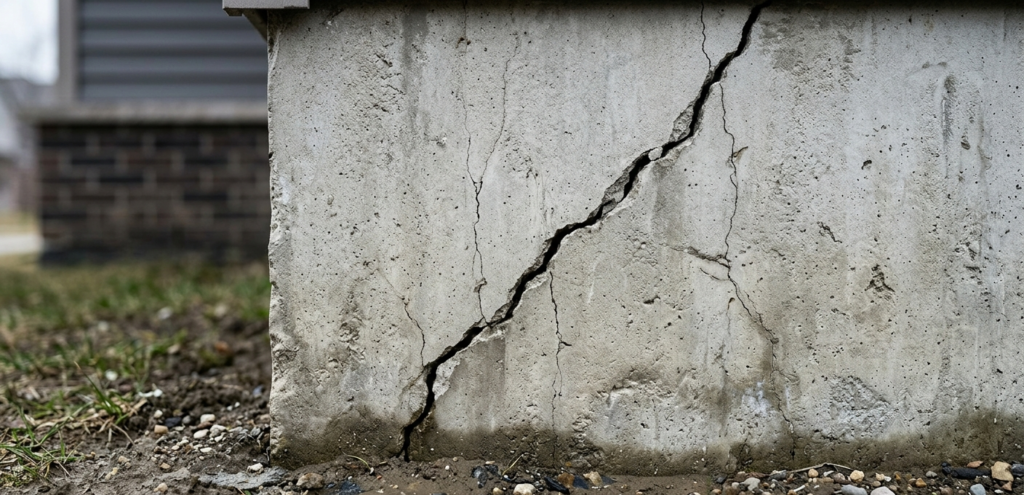
- Diagonal cracks
- Stair-step cracks in brick or masonry
Each type of crack tells a different story about the stress your foundation is experiencing. While some cracks may be cosmetic, others can point to serious structural issues.
Common Causes of Foundation Cracks
Understanding the root causes of foundation cracks is essential for prevention and early intervention.
1. Soil Movement and Settlement
One of the leading causes of foundation cracks is soil movement. Soil expands when wet and contracts when dry. Over time, this constant shifting puts stress on the foundation, causing cracks to form.
2. Poor Construction Practices
If a foundation is not properly designed or constructed, it may lack the strength to withstand environmental pressures. Inadequate curing of concrete or improper reinforcement can lead to early cracking.
3. Water Damage
Excess moisture around the foundation can weaken the soil and create hydrostatic pressure. This pressure pushes against foundation walls, often resulting in cracks and leaks.
4. Temperature Changes
Extreme temperature fluctuations can cause materials to expand and contract. Over time, this can lead to stress fractures in the foundation.
5. Tree Roots
Large trees planted too close to a home can draw moisture from the soil unevenly, causing shifting and cracking.
Why Ignoring Foundation Cracks Is Risky
Ignoring foundation cracks is not just a cosmetic issue—it can have serious implications for the safety, value, and longevity of your home.
Structural Instability
Cracks can weaken the integrity of your home’s structure. Over time, this may lead to uneven floors, sticking doors and windows, and even partial collapse in severe cases.
Water Intrusion
Cracks often serve as entry points for water. Once water infiltrates your foundation, it can lead to mold growth, wood rot, and damage to interior finishes.
Increased Repair Costs
What starts as a small crack can quickly escalate into a major repair project. Addressing the issue early is significantly more cost-effective than waiting until the damage worsens.
Reduced Property Value
Homes with visible foundation issues are less attractive to buyers. Even minor cracks can raise red flags during inspections, potentially lowering the property’s market value.
Health Hazards
Moisture entering through cracks can create a breeding ground for mold and mildew, which can negatively impact indoor air quality and health.
Types of Cracks You Should Never Ignore
While not all cracks are equally dangerous, some require immediate attention.
Horizontal Cracks
These are often the most serious and indicate pressure from soil or water against the foundation walls.
Wide Cracks
Cracks wider than 1/4 inch typically signal significant movement and should be inspected by a professional.
Growing Cracks
If a crack continues to expand over time, it’s a clear sign of ongoing structural issues.
Leaking Cracks
Any crack that allows water to seep through should be addressed immediately to prevent further damage.
Warning Signs That Accompany Foundation Cracks
Foundation problems rarely occur in isolation. Look for these additional warning signs:
- Uneven or sloping floors
- Gaps around doors and windows
- Cracks in interior walls or ceilings
- Doors and windows that stick or won’t close properly
- Water pooling near the foundation
These symptoms often indicate that the problem is more extensive than it appears.
The Role of Professional Inspection
While some homeowners may attempt to assess cracks themselves, professional inspection is crucial for accurate diagnosis.
Experts use specialized tools and techniques to determine:
- The cause of the crack
- The severity of the damage
- The best repair method
Relying on experienced professionals ensures that the issue is addressed correctly the first time.
Effective Solutions for Foundation Cracks
There are several proven methods for repairing foundation cracks, depending on their cause and severity.
Epoxy Injection
This method is used to seal small cracks and restore structural integrity.
Polyurethane Foam Injection
Ideal for waterproofing, this technique prevents water from entering through cracks.
Carbon Fiber Reinforcement
Carbon fiber strips are applied to stabilize walls and prevent further movement.
Underpinning
In severe cases, underpinning strengthens the foundation by extending it to more stable soil.
Preventing Future Foundation Cracks
Prevention is always better than repair. Here are some proactive steps homeowners can take:
Maintain Proper Drainage
Ensure that water flows away from your home by keeping gutters clean and installing proper drainage systems.
Control Moisture Levels
Avoid overwatering plants near the foundation and use a soaker hose during dry periods to maintain consistent soil moisture.
Regular Inspections
Periodic checks can help identify early signs of trouble before they escalate.
Landscaping Considerations
Plant trees and shrubs at a safe distance from your home to prevent root interference.
The Importance of Timely Repairs
Delaying repairs can have a domino effect on your home’s condition. Acting quickly not only saves money but also preserves the safety and comfort of your living space.
Homeowners who prioritize foundation crack repair services often find that early intervention prevents more extensive damage and reduces long-term costs.
Choosing the Right Professionals
Selecting a reliable and experienced service provider is crucial. Look for companies that offer:
- Comprehensive inspections
- Transparent pricing
- Proven repair methods
- Positive customer reviews
Professionals like those at Wet Basements specialize in diagnosing and resolving foundation issues, helping homeowners protect their investments effectively.
Real-Life Consequences of Ignoring Foundation Cracks
Many homeowners underestimate the impact of foundation cracks until it’s too late. Real-life cases often involve:
- Basement flooding after heavy rain
- Walls bowing inward due to pressure
- Costly structural repairs exceeding initial estimates
These scenarios highlight the importance of taking cracks seriously from the outset.
Environmental Factors and Their Impact
Climate and environmental conditions play a significant role in foundation health.
Heavy Rainfall
Excessive rain increases soil saturation, leading to pressure on foundation walls.
Drought Conditions
Dry soil shrinks, causing gaps that can lead to foundation settling.
Freeze-Thaw Cycles
In colder climates, water freezing and expanding within cracks can worsen damage over time.
The Long-Term Benefits of Addressing Foundation Issues
Investing in foundation repair offers several long-term advantages:
- Enhanced structural stability
- Improved indoor air quality
- Increased property value
- Peace of mind
By addressing issues promptly, homeowners can avoid unnecessary stress and financial burden.
How Technology Is Improving Foundation Repair
Modern advancements have made foundation repair more efficient and less invasive.
- Advanced diagnostic tools provide accurate assessments
- Innovative materials offer stronger and longer-lasting solutions
- Minimally invasive techniques reduce disruption to your home
These improvements make it easier than ever to address foundation problems effectively.
When to Call a Professional
If you notice any of the following, it’s time to seek expert help:
- Cracks that widen over time
- Water seepage through foundation walls
- Multiple cracks appearing simultaneously
- Structural changes in your home
Early consultation can prevent minor issues from becoming major problems.
Final Thoughts
Foundation cracks are more than just cosmetic flaws—they are warning signs that should never be ignored. Whether caused by soil movement, water damage, or construction issues, these cracks can compromise the safety and value of your home if left untreated.
Taking proactive steps, seeking professional guidance, and investing in timely repairs can make all the difference. Homeowners who act early and rely on trusted experts—such as those at Wet Basements — are better equipped to maintain a strong and stable foundation.