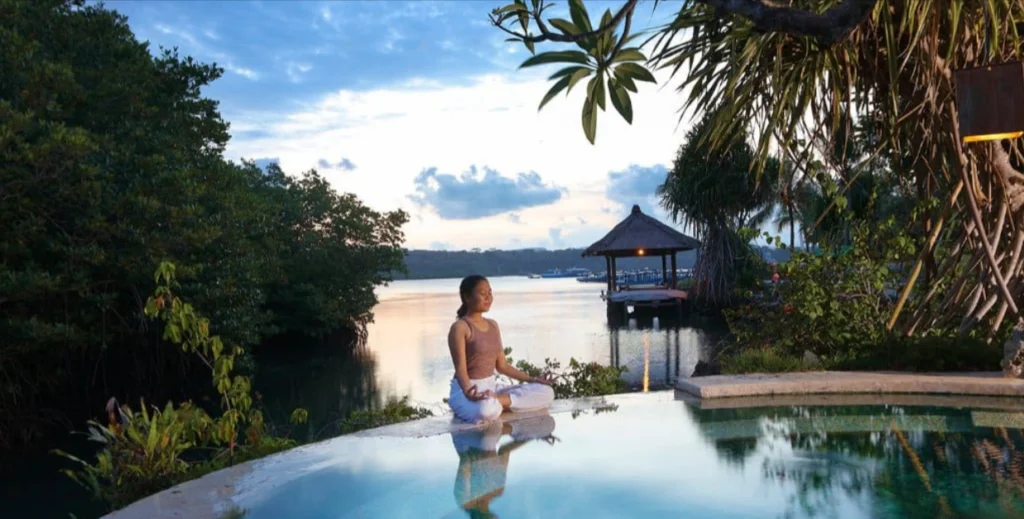
YTT Bali: Why This Island Produces the World’s Most Authentic Yoga Teachers
Every year, thousands of aspiring instructors type “YTT Bali” into Google. They aren’t just looking for a certificate. They are searching for a transformation.
I remember sitting in a Canggu café, jet-lagged and nervous, on day one of my 200-hour YTT. By the end of the month, I wasn’t just a different teacher—I was a different person. That is the Bali effect.
But here is the truth: not all YTT Bali courses are equal. Some are life-changing. Others are rushed, overpriced, or detached from real yogic roots. So how do you choose the right one? And why is Bali even special in the first place?
Let’s break it down honestly.
Why Bali Has Become the Global YTT Capital
Bali offers three things no other place can easily replicate:
-
Affordable, high-quality training – A 200-hour YTT in the U.S. or U.K. often costs 3,000–5,000. In Bali, the same standard (sometimes better) runs 2,000–3,500, including accommodation and meals.
-
Living yoga culture – You wake to incense and offerings. Your neighbors are Balinese Hindu families who have practiced daily rituals for centuries. This isn’t a studio-only learning; it’s immersive.
-
Two perfect backdrops – Ubud (jungle, rivers, rice paddies) for spiritual depth; Canggu (ocean, sunset, surf) for dynamic energy. Both support different teaching styles.
But convenience isn’t depth. The best YTT Bali programs push you beyond Instagram sunsets.
Real Curriculum: What a Good YTT Bali Actually Teaches
A poster-worthy vinyasa flow is nice. But a great YTT Bali covers:
-
Asana lab – Alignment, anatomy, modifications, and adjustments. Not just poses, but why each pose works.
-
Pranayama & meditation – Real breathwork (Nadi Shodhana, Kapalabhati) and sitting practice, not just five minutes before savasana.
-
Yoga philosophy – Patanjali’s Yoga Sutras, Bhagavad Gita, and the 8 Limbs, taught by local or long-term resident teachers who live the lineage.
-
Teaching methodology – How to sequence, use your voice, give hands-on assists, and hold space for trauma or injury.
-
Practicum – You teach real students (your peers, then the public) and get live feedback.
If a training skips philosophy or gives you only a PDF, walk away.
Ubud vs. Canggu: Which YTT Bali Location Is Right for You?
| Ubud | Canggu |
|---|---|
| Cooler, inland, jungle vibe | Warmer, coastal, surf culture |
| Focus: meditation, yin, traditional Hatha, Ayurveda | Focus: power vinyasa, hot yoga, active flows |
| Quieter nights, early mornings | Social scene, beach workouts, cafes |
| Best for: introspection, philosophy lovers | Best for: fitness-focused, creative sequencers |
Both can produce amazing teachers. The question is: What kind of teacher do you want to become?
Red Flags When Researching YTT Bali (Please Read This)
I have seen too many trainees cry after graduation—not from joy, but from disappointment. Avoid these:
-
“Free” certification with accommodation – Often unaccredited or run by non-teachers. Yoga Alliance registered is the baseline.
-
No philosophy or adjustments – If the schedule is just asana from 8 am–noon, it’s a fitness course, not teacher training.
-
Lead trainer lacks experience – Less than 5 years of teaching or no previous YTT assisting. Ask for bios.
-
No teaching practice – If you don’t teach at least 4–6 trial classes before graduation, you will be terrified on day one of your real job.
Trust your gut. A cheap YTT Bali that costs 1,200butleavesyouunemployableismoreexpensivethana3,000 program that certifies confident teachers.
Hidden Costs & Practical Tips (Real Numbers)
Most YTT Bali ads quote tuition only. Plan for:
-
Flight ($600–1,500 depending on origin)
-
Visa – 30-day visa-free, or extend for 60 days ($50–70)
-
Insurance – Get travel + teaching liability ($100)
-
Extra food/coffee/eating out – $10–20/day outside included meals
-
Weekend trips – Waterfalls, Nusa Islands, snorkeling ($50–150 total)
Total realistic budget: $3,000–5,000 including everything for a month-long YTT. That is still half the price of a U.S. training.
Sample Daily Schedule (A Well-Balanced One)
A good YTT Bali day looks like:
-
6:30 am – Meditation & pranayama
-
7:30 am – Asana practice (active)
-
9:00 am – Breakfast
-
10:00 am – Anatomy or philosophy lecture
-
12:00 pm – Teaching methodology (how to cue, adjust)
-
1:00 pm – Lunch & rest
-
3:00 pm – Asana lab (break down 3–4 poses deeply)
-
4:30 pm – Teaching practice (small groups)
-
6:00 pm – Yin or restorative
-
7:00 pm – Dinner & self-study
This rhythm builds automatic confidence. By week three, teaching feels natural.
How to Choose the Right YTT Bali for You
Ask every school these five questions before paying:
-
“What is your refund/cancellation policy?” (Get it in writing)
-
“How many students per lead trainer?” (Ideally ≤15:1)
-
“Can I speak to a recent graduate?” (If no, run)
-
“What anatomy text do you use?” (Should be modern, like Leslie Kaminoff)
-
“What support do you offer after graduation?” (Job boards, alumni groups, continued mentoring)
A transparent school answers happily. A defensive one hides problems.
The Post-YTT Reality: What Comes Next?
After your YTT Bali, you will feel high. That’s normal. But then fear creeps in: “Can I really teach?”
Yes—but start small. Offer free community classes. Assist at a local studio. Teach friends on the beach. Within 3–6 months, that fear becomes flow.
And here is the beautiful secret: Bali-trained teachers often get hired faster. Studio owners know the teaching standard is higher—more adjustments, more philosophy, more presence.
Conclusion: Choose With Intention, Not Just Aesthetic
Baliyttc is magical. But magic without structure is just vacation. The best YTT Bali balances heart-opening beauty with rigorous, practical training.
Whether you pick jungle Ubud or coastal Canggu, a 200-hour or advanced 300-hour, remember this: a certificate gets you in the door. But your authenticity keeps you on the mat.
Do the inner work. Ask hard questions. And when you land in Bali, breathe deeply. You are not just learning to teach. You are remembering why you started practicing in the first place.