buy t-shirts
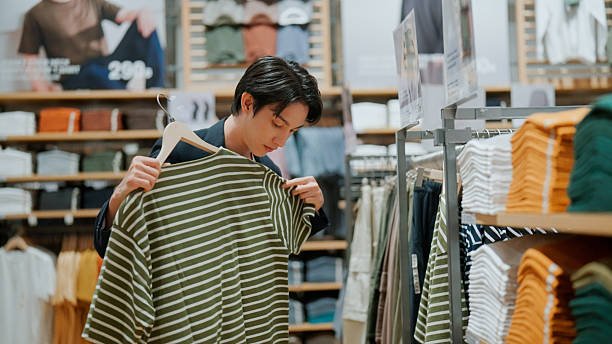
So you’ve got an event coming up. Maybe it’s a company outing, a family reunion, a 5K, or just a group of friends who want matching shirts. Sounds simple enough, right? But plenty of people rush the buying process, end up with shirts that shrink after one wash, fade after two, or fit half the group weirdly, and then they’re stuck. Before you buy t-shirts in Dallas, TX, run through this checklist. It’ll save you money, time, and a lot of frustration. These eight things are what actually separate a smart purchase from an expensive mistake.
1. Fabric Composition and Weight
This is the first thing most people skip. Big mistake. The fabric composition tells you almost everything about how a shirt will feel, hold up, and look after repeated washing. A 100% cotton shirt breathes well and feels soft, but it shrinks more than a cotton-poly blend. Tri-blends (cotton, polyester, rayon) are popular for a reason. They drape nicely, resist shrinking, and feel lighter on the skin.
Weight matters too. Shirt weight is measured in ounces per square yard. A 4.2 oz shirt feels thin and breathable. A 6.1 oz shirt feels more substantial, almost like a quality retail tee. For outdoor summer events, lighter is usually better. For branded work shirts you want to look polished, go heavier. Most buyers don’t even think to ask about this until they’re holding a flimsy shirt that cost them real money.
2. Fit and Sizing Standards
Not all brands size the same. That’s just a fact. A medium from one manufacturer can run a full size smaller than a medium from another. If you’re ordering for a group, you need to get actual measurements from people, not just ask them what size they usually wear. Collect chest measurements. That’s the most reliable number.
Also think about fit style. Standard unisex shirts tend to run boxy. Junior or fitted cuts run slimmer. If your group is mixed, you might want to offer both options. Check the size charts carefully before you finalize anything, and if possible, order a sample shirt first. One sample saves a lot of headaches.
3. Neckline and Sleeve Options
Crew neck is the default for most event shirts. But it’s not always the right call. V-necks are more flattering for a lot of people, and some groups specifically request them. Sleeve length matters too, especially for hot-weather events where a three-quarter sleeve makes no sense, or for more formal branded shirts where a longer sleeve looks more polished. Think about who’s wearing these and what they’ll actually be doing in them. Don’t just default to whatever’s cheapest or most common.
4. Printing or Decoration Method
This one has a real impact on how your shirts look and how long they last. There are a few main methods to know about.
- Screen printing is the classic choice for bulk orders. Colors are bold, it holds up well over time, and the cost per shirt drops significantly when you order more. But setup costs mean small orders get expensive fast.
- Direct-to-garment (DTG) printing works well for detailed, full-color designs and smaller quantities. The print can feel a bit different from screen printing, and it may fade faster if shirts aren’t washed correctly.
- Embroidery looks professional and lasts a long time. It’s great for polo shirts or anything meant to look more formal. Not ideal for large graphic designs though, since it adds weight and can feel stiff.
- Heat transfer is quick and cheap but usually not as durable. Fine for a one-time event, not great if people will wear these shirts regularly for years.
Ask your supplier which method they use and why. A good supplier will match the method to your design and your budget without you having to drag it out of them. You can read more about screen printing as a decoration technique if you want to understand the process before you talk to a vendor.
5. Care Instructions and Long-Term Durability
Nobody thinks about care instructions until a shirt falls apart. But this stuff matters, especially if the shirts are meant to be worn more than once or twice. Check whether the fabric can handle machine washing on warm, or if it needs cold water only. Polyester blends generally hold color better. High-cotton shirts can shrink and fade if washed hot repeatedly.
Ask about colorfastness too. That’s how well the dye holds after multiple washes. Cheap shirts often look great on day one and look washed-out by month three. If your group is going to wear these regularly, that’s a problem worth thinking about upfront. Durability also ties back to the printing method, so both of these decisions are connected.
6. Price Per Unit vs. Bulk Discounts
Here’s something a lot of first-time bulk buyers miss. The price per shirt often drops dramatically once you hit certain quantity thresholds. Twelve shirts might cost you $18 each. Order 48, and that same shirt might drop to $11. The math adds up fast. Don’t just look at the total order cost, look at the per-unit cost and figure out if ordering slightly more actually saves you money overall.
Also factor in setup fees, shipping, and any art fees for your design. Those can quietly inflate your total. When you’re comparing T-Shirt Stores in Dallas, TX, make sure you’re comparing full landed costs, not just the shirt price on the website. Two stores that look similar on price can end up very different once you add everything in.
SWAG STORE is one place people in the area use for bulk event shirts, and they’re worth checking out if you’re trying to figure out pricing tiers before committing to a larger order.
7. Return and Exchange Policies
Custom printed shirts are almost never returnable. That’s standard across the industry. But blank shirts, or shirts where the mistake was the supplier’s fault, should have some kind of remedy. Ask before you order. Find out what happens if sizes are wrong, if the print is off, or if shirts arrive damaged. A supplier with no answer to those questions is a supplier to avoid. Get it in writing if the order is large.
8. Brand Reputation and Customer Reviews
This sounds obvious. But people skip it anyway. Don’t just take a vendor’s word for quality. Look for actual customer reviews, ideally with photos. Check how long the company has been operating. Ask if they’ve done orders similar to yours in size and type. A shop that mostly does small custom orders might struggle with a 300-shirt event run, even if their individual work looks great.
When looking at T-Shirt Stores in Dallas, TX, pay attention to how they communicate before the sale. Slow responses, vague answers about turnaround times, or reluctance to share samples are all warning signs. And once you’ve found a supplier you trust, buy t-shirts in Dallas, TX with a clear spec sheet so there’s no confusion about what you ordered.
Frequently Asked Questions
How far in advance should I order shirts for an event?
At least three to four weeks out is a safe window for most custom orders. If your order is large, say 200 or more shirts, give yourself six weeks. Rush orders are possible but they cost more and leave less room to fix problems.
What’s the best fabric for outdoor summer events?
Lighter weight shirts in the 4.2 to 4.5 oz range work best in the heat. A cotton-poly blend handles sweat better than 100% cotton and tends to dry faster. Pure cotton feels great but can get heavy when it’s humid.
Can I mix different shirt styles in one order?
Yes, most suppliers can mix crew necks and v-necks or different colors in a single order. Just be aware that some printing setups charge per color or per design change, so mixing styles can affect your pricing. Ask upfront.
How do I make sure the sizing is right for a big group?
Collect actual chest measurements from everyone if you can. If that’s not possible, order a size distribution that skews slightly larger than you think you need. Most groups need more larges and XLs than they expect, and fewer smalls.
Is screen printing or DTG better for a one-time event shirt?
For larger quantities with a simple design, screen printing usually wins on cost and color vibrancy. For small runs with complex artwork, DTG makes more sense. Talk to your supplier about your specific design and quantity before deciding.
Getting the right shirts for an event isn’t complicated once you know what to look for. Take your time with these eight checkpoints and you’ll end up with something people actually want to wear, not just something they toss in a drawer after the event is over.