Electrical problems can bring work to a halt. They rarely give clear warnings. One day your crane operates as usual. The next day, a warning light appears or a function stops responding. Unlike a hydraulic leak that leaves evidence, electrical faults hide inside wiring and connectors. But you can diagnose them. A patient, logical approach will uncover the issue.
Your Kobelco crane relies on a network of sensors, controllers, and wiring. These parts communicate constantly to manage safety and performance. When one piece of that network fails, the whole crane may react unpredictably. Knowing where to begin saves time. It also prevents you from replacing parts that are still working.
Start with Power and Ground
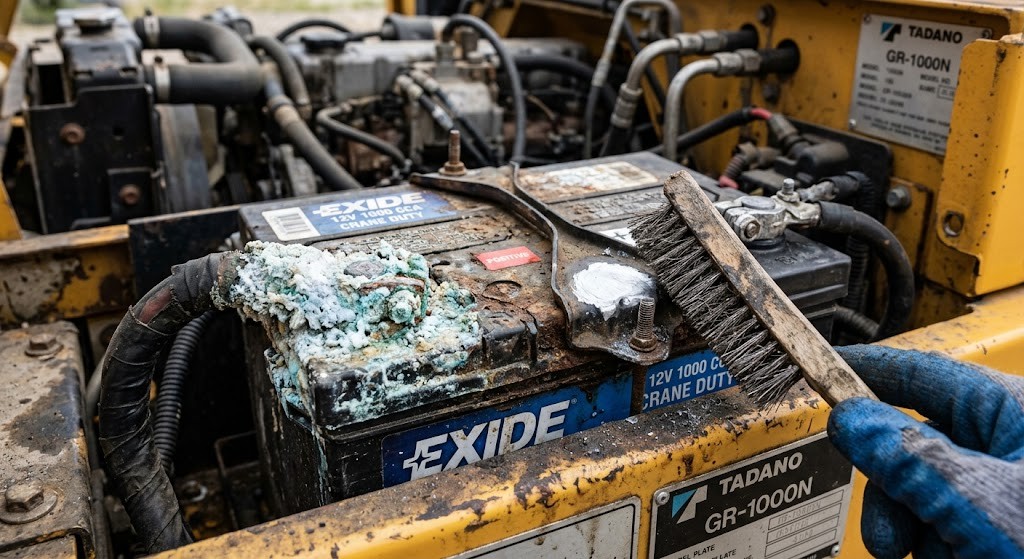
Most electrical trouble traces back to poor power or a bad ground. Without steady voltage, the system will not behave correctly. Begin at the battery. Inspect the terminals for corrosion. Clean off any white or green buildup. Make sure the clamps are tight. A loose terminal can cause intermittent issues that are hard to pin down.
Next, find the chassis ground. Follow the main negative cable to where it attaches to the frame. Rust or paint can break the connection. Scrape the metal until it is clean. Tighten the bolt securely. A bad ground produces strange symptoms: sensors give false readings, controllers reset for no reason, and displays flicker. Fixing the ground often solves everything without buying any parts.
Fuses and Relays: The Easy Checks
Fuses blow to protect circuits from overload. If a fuse keeps blowing, there is a short somewhere. Never just replace it and move on. Find out why it failed. Inspect the wiring for pinched insulation or bare copper touching metal. Look along harnesses for spots where wires rub against sharp edges.
Relays also fail over time. They click to switch higher currents on and off. Inside, the contacts wear down or carbon up. A bad relay may work sometimes and fail at other times. Swap the suspect relay with a known good one of the same type. If the problem follows the relay, you have found the issue. Keep spare fuses and relays on hand. They are cheap protection against expensive downtime.
Understanding Error Codes
Modern Kobelco cranes display error codes when something goes wrong. These codes point you toward the problem area. But they are not always literal. A code for a sensor fault might mean the sensor is bad. Or it might mean the wiring to the sensor is broken. Or the connector is corroded. The code tells you where to look, not necessarily what to replace.
Write down the code. Look it up in the service manual. The manual often lists possible causes and testing steps. Follow those steps methodically. Do not jump to replacing the most expensive part first. Test the simple things. Check continuity in the wiring. Measure voltage at the connector. Verify sensor resistance. These basic tests rule out easy fixes before you order any Kobelco crane parts.
Wiring and Connectors: The Hidden Culprits
Wiring takes a beating on a crane. Vibration loosens connections. Moisture seeps into plugs. Heat hardens insulation. Walk along the harnesses. Look for chafed wires, especially where they pass through metal or near moving parts. A small rub spot can expose copper and cause a short.
Connectors deserve special attention. Unplug them and inspect the pins. Are they bent or corroded? Is the rubber seal intact? A pin that does not make good contact causes intermittent faults. Clean connectors with electrical contact cleaner. Apply dielectric grease to prevent future corrosion. When reconnecting, listen for the click. A partially seated connector is a common source of headaches. Using genuine Kobelco crane parts for damaged connectors ensures a proper fit and seal.
Testing Sensors and Switches
Sensors tell the crane what is happening. Angle sensors, pressure transducers, and limit switches all feed data to the controller. When one fails, the crane might limit functions or throw errors. Testing them requires a multimeter and the specifications from the manual.
Start with resistance checks. Many sensors have a specific resistance range. If your reading shows an open circuit or a value far off spec, the sensor is likely bad. For switches, check continuity in both positions. A limit switch should open or close when actuated. If it does not, replace it. When ordering replacements, use authentic Kobelco crane parts to ensure the electrical specs match. A sensor with the wrong output voltage can confuse the controller even if it physically fits.
The Role of the Controller
The controller is the brain. It processes inputs and commands outputs. If everything else checks out, the controller might be the issue. But controllers rarely fail without cause. Often, a problem elsewhere stresses the controller. A short circuit can damage output drivers. Voltage spikes can corrupt memory. Water intrusion can rot internal components.
Before replacing a controller, verify power and ground at its connectors. Check for water intrusion. Look for burnt components or swollen capacitors. If you suspect the controller, consult a specialist. Reprogramming or calibration might be needed after replacement. This is not a job for guesswork. Document any error codes and test results to help the technician diagnose faster.
Keeping Good Records
Electrical troubleshooting is easier with a history. Keep a log of issues and fixes. Note which error codes appeared. Record what tests you ran and what you replaced. This log helps spot patterns. If the same circuit fails repeatedly, there might be a deeper problem to address.
Good records also help when you need outside help. If you call a technician or your supplier, you can give them the full story. They will not have to start from scratch. This speeds up the repair. It also builds your own knowledge base. Over time, you will recognize common failure points on your specific machines. When you do need to order Kobelco crane parts, your log will remind you what worked last time.
Knowing When to Get Help
Some electrical problems are beyond basic troubleshooting. If you have checked power, ground, wiring, and sensors, and the issue persists, it may be time to call in support. Complex CAN bus issues or controller programming require specialized tools and knowledge.
There is no shame in getting help. Guessing on complex electrical work can make things worse. A miswired connector can damage expensive components. If you are out of your depth, stop. Document what you have done. Share that with the expert. This collaboration gets the crane back online faster and safer.
Final Thoughts
Electrical diagnosis does not have to be intimidating. Start simple. Check power and ground. Inspect fuses and relays. Follow the wiring. Test sensors methodically. Use error codes as guides, not gospel. When you need replacements, choose genuine Kobelco crane parts to ensure compatibility.
Keep good records. Know your limits. Patience pays off. Rushing leads to mistakes. A calm, logical approach finds the problem faster. Your Kobelco crane relies on clean electrical signals to operate safely. Taking the time to diagnose right protects your investment and keeps your crew working. That is how you turn a frustrating mystery into a straightforward repair.