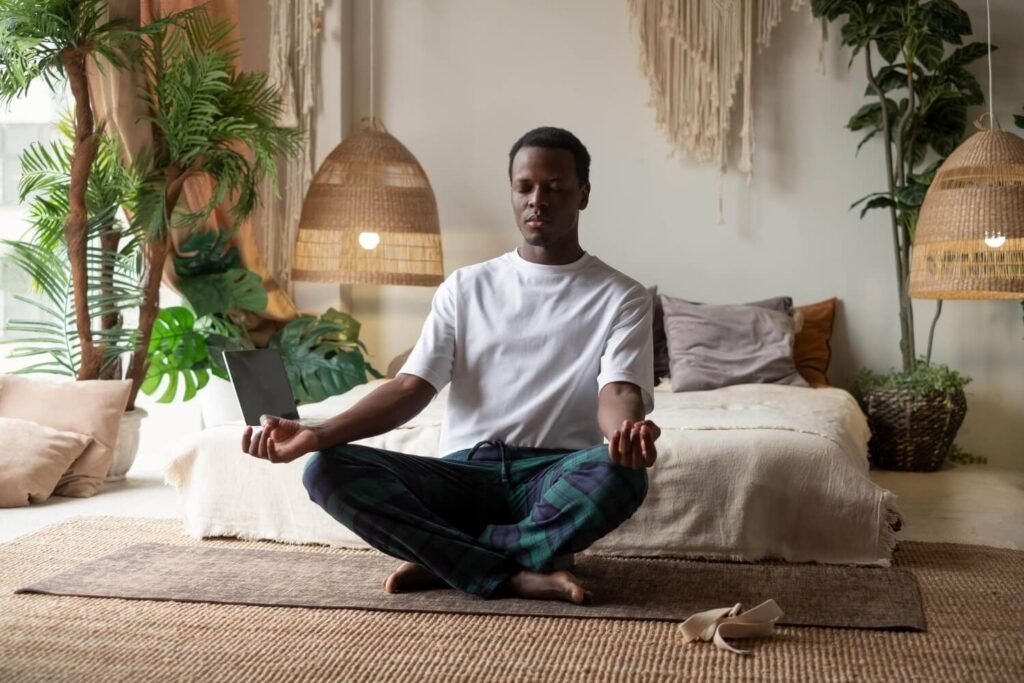
Many of us chase calm through books and apps yet stay tense. Real ease starts when the body itself stops bracing. Simple daily habits like taking deep breaths, grounding yourself with your senses, and staying present help restore a sense of safety.As time goes on, your nervous system becomes calmer, your focus becomes more stable, and life starts to feel less like something you have to control and more like something you can truly experience.
Many people look for peace in books and classes but still feel stressed and disconnected. The true state of calm occurs when there is enough bodily security to let go. After that, one gains the ability to focus, be aware, and be alive in a totally different way. Lots of people have spent a lot of time looking for inner peace.They’ve read a lot of books, taken part in many workshops, tried various healing methods, and worked on their habits and patterns.But even after all that, they still feel stressed, have tight shoulders, feel insecure, or aren’t really in touch with themselves. It happens more than most admit.
The old breathing practices had a simple point that gets lost sometimes. Change is not only a thinking job. It has to land in the body. You can understand something perfectly in your head and still walk around carrying the same tension. Until the body gets the message that it is okay to soften, the mind keeps looping. That is why feeling safe in your body sits at the base of real mental well-being. When the body eases up, attention sharpens. When attention settles, you start noticing yourself more clearly. From that quieter connection a different way of moving through the day starts to show up. Not forced. Just there.
Why Simple Daily Habits Matter More Than Big Techniques
A lot of folks treat inner peace like a mental achievement. They picture it as fewer thoughts, less worry, problems solved or at least managed. But peace seldom emerges from having all the control over the environment or all the thoughts coming into the mind. Peace tends to come when one stops struggling so much for an outcome and starts being interested in what is happening. That awareness is always available. It just gets buried under daily noise or when the link to the body feels weak. The start of actual calm often begins the moment you come back to your senses. Not in a dramatic way. Just noticing breath, weight in the chair, the way the chest moves. Small returns like that build the ground for feeling safe in your body.
Returning to the Breath First Thing
The act of breathing takes place automatically, but it is also an activity that can be controlled. Such a quality of breath makes it the link. It bridges the conscious part of you with the unconscious processes. When you bring attention to the breath on purpose, mental chatter gets interrupted. Focus moves from the constant stream of ideas into the simple rise and fall of the body. People start to sense what was sitting just under the surface. Not always comfortable, but real. Over time that practice helps build a steadier trust. You learn to stay with what is already here rather than always reaching for the next answer outside yourself. It becomes a reliable support for any quieter practice. The stillness is not an idea you force. It is the actual texture of the moment once the body feels safe enough to settle.

Noticing Weight and Contact With the Ground
There is something about simple sensory checks that highlights the background noises of our everyday lives. During a short pause, individuals can become aware of bodily sensations, emotions, or changes that they did not pay attention to before. The reason why these become apparent is not the fact that they were thought of. It is because the body has relaxed sufficiently and attention is focused within. This implies that acceptance of oneself means having the ability to be with whatever it is without the fear of escaping from it. This does not mean that you have to necessarily love all that you experience; you just have to accept their existence. Feeling the feet on the floor or the sit bones in a chair does more than people expect. It tells the system the ground is still there.
Letting the Shoulders Drop on Purpose
Most of us hold tension high in the upper body without realizing it. A quick habit of rolling the shoulders back and letting them fall can interrupt that pattern. It is not a full stretch routine. Just a small release several times a day. When the shoulders soften the breath often deepens on its own. That deeper breath then feeds the sense that the body is not under constant threat. Over weeks this simple move starts to rewire the default posture. You catch yourself standing taller and less braced. The mind follows a little later.
Checking In With the Belly Without Forcing
Breathing is more than oxygen in and out. It is also a way of relating to the energy that moves through you. Some people guide attention lower into the belly and notice how the abdomen moves with each breath. The point is not to chase big experiences. It is simply to raise awareness into the lower centers and see what happens when attention stays there. Many older energy traditions looked at this same connection between where you place attention, how energy flows, and the sense of balance that follows. When the body feels safer, that energy tends to move more freely. People often report feeling more grounded, more present in their own skin, and less pulled around by whatever is happening outside.
Pausing Before Reacting to Noise
Older texts talk about energetic centers in the body. Bringing mindful breath and attention to those areas can surface stored feelings or tension that had been sitting in the background. It is common for emotion or sensation to release once the body finally registers that it is safe enough to let go. The core of this work is simple self-observation. As focus stays with the body, a natural sense of balance often returns. Peace is not forced on top of the experience. It rises out of the increased connection. Feeling safe in your body creates the conditions for that release and that balance to happen without drama. A short pause before answering a stressful message or raising your voice does the same job in daily life.
Using the Hands as Anchors
Some approaches treat inner peace as something you collect through more knowledge. Others put the weight on present-moment experience and gradual integration. Integration here means learning to trust what arises from inside rather than always looking outward for the next technique or explanation. The practice becomes a relationship with yourself. Through steady breath, sensing energy, and staying present, intuition gets stronger. The room opens up inside. The connection to the sense of what’s important becomes more clear while the outside noise becomes less of an influence. Placing one hand on the chest or both hands on the thighs for a few breaths gives the mind a physical place to land. It is almost embarrassingly simple, yet it works when bigger methods fall flat.
Ending the Day by Softening the Jaw
When the body stays braced, attention scatters. When the body softens, focus can gather. That gathered attention lets you meet yourself more directly. From there the experience of daily life shifts. There will still be stress, there will still be uncertainty, but now the baseline is different because now you’re no longer struggling against the environment you’re living in. Feeling safe in one’s own body doesn’t mean everything is all good all the time; it means the nervous system is no longer in emergency mode just by virtue of being alive. Unclenching the jaw before sleep is one of those quiet habits that signals safety to the whole system. The face often holds more tension than we notice until we deliberately let it go.
Building Trust Through Small Consistent Returns
There’s no greater way to trust yourself than by constantly practicing presence. And conscious breathing is an effective method for doing so. You become aware of your breathing, the body relaxes and the mind realizes that it doesn’t need to stay on high alert. This is not about achieving a permanent peaceful state. This is about creating a safe haven that will guide you back when everything becomes too much noise. The body becomes an anchor point rather than something to fix or escape from. Doing the same short check-in at the same points in the day trains the system to expect safety rather than threat.
The Quiet Shift That Happens Over Time
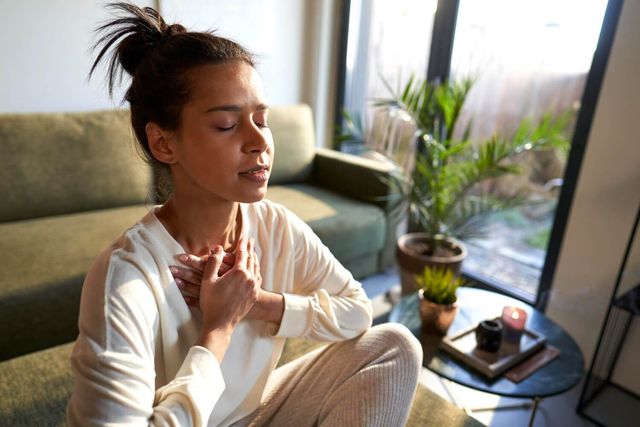
Most of us continue looking for tranquility by accumulating knowledge or trying another technique. True peace often comes from within oneself. Peace comes from the courage to occupy your body without resistance. Once you learn to practice conscious breathing and be present consistently, the connection with yourself becomes stronger. Your listening becomes better. You learn to trust whatever is happening inside of you. The habits stay small on purpose. Big dramatic practices often create more striving. These quieter ones just keep inviting the body back home.
Conclusion
Feeling Safe in Your Body is no longer something extra or even just an end goal. Rather, it’s the foundation upon which the other aspects of well-being can be established. Once the body feels safe enough to stay present, the constant reaching out stops becoming urgent. Peace becomes the byproduct of that consistent connection rather than the goal you’ve finally reached. The practice is straightforward, often awkward, and highly pragmatic. Go back to your breath, allow your body to relax, and the foundation gradually becomes more solid than any peacefulness you ever pursued before.