The Essential Guide to Dental Instruments in the US: Mastering Tools of the Trade in 2026
Walk into any modern dental operatory in the United States, and you’ll see a meticulously organized tray of stainless steel and precision instruments. These tools—from the simple mouth mirror to complex endodontic files—are the backbone of patient care. In 2026, the landscape of dental instrumentation is evolving rapidly, driven by new technologies, materials, and a deeper understanding of clinical efficiency.
The dental instruments market is not just about having the right tools; it’s about understanding their function, maintaining them properly, and avoiding costly mistakes that can compromise patient safety and your bottom line. With the global dental equipment market projected to reach nearly $16 billion by 2031, the stakes for effective instrument management have never been higher.
This guide offers a deep dive into the world of dental hand instruments. We’ll cover the fundamentals, explore why proper instrumentation is critical in 2026, highlight common pitfalls, and provide actionable steps to maximize your practice’s efficiency and safety.
What Are Dental Hand Instruments?
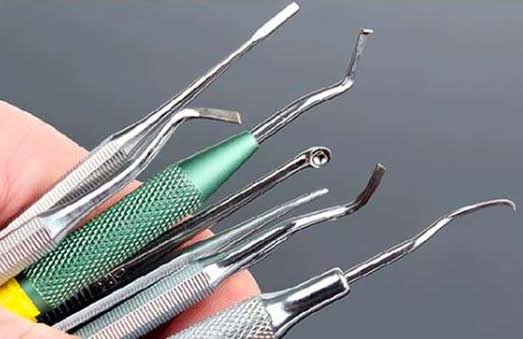
Before we dive into the intricacies, let’s define what we’re talking about. According to the FDA, a dental hand instrument is a “hand-held device intended to perform various tasks in general dentistry and oral surgery procedures”. This broad category encompasses everything from the basic examination kit to specialized surgical tools.
The FDA classifies most of these instruments as Class I devices, which are subject to general controls, meaning they don’t require premarket notification if made from materials used before 1976. This classification underscores that while these tools are critical, they are considered well-understood and standard.
The Foundation of Every Procedure: Core Instrument Categories
A well-stocked practice relies on a mix of instruments, each designed for specific functions. Understanding these categories is the first step to mastering their use.
-
Examination & Diagnostic Instruments:
-
Mouth Mirror: The most used instrument, it provides indirect vision, reflects light, and retracts tissues.
-
Explorer: A sharp, pointed probe used to detect caries (cavities), calculus deposits, and anomalies on tooth surfaces.
-
Periodontal Probe: A calibrated instrument used to measure the depth of gingival (gum) pockets, a key indicator of periodontal health.
-
Dental Tweezers (Cotton Pliers): Used to transfer small items like cotton rolls, pellets, or other materials into and out of the mouth. Angular, serrated tweezers are particularly versatile for this purpose.
-
-
Preventive & Hygiene Instruments:
-
Scalers: Used to remove supragingival (above the gumline) calculus, particularly in areas that are easy to access.
-
Curettes: Used for subgingival (below the gumline) scaling and root planing. Their rounded toe allows them to enter periodontal pockets without damaging tissue. A complete set includes area-specific curettes for different teeth. Many pediatric practices make a critical error in relying solely on a sickle scaler, failing to invest in the area-specific curettes needed for thorough care.
-
-
Restorative Instruments:
-
Carvers and Condensers: Carvers are used to shape and contour restorative materials like amalgam and composite, while condensers are used to pack and condense the material into the prepared cavity.
-
Burnishers: Used to polish and smooth the surface of a restoration, providing a natural finish and patient comfort.
-
Plastic Filling Instruments: Used to place and shape pliable restorative materials.
-
-
Surgical Instruments:
-
Elevators: Used to luxate (loosen) teeth by severing the periodontal ligament and expanding the socket before extraction. The design and size vary, with Coupland, Warwick-James, and Cryer elevators being commonly used.
-
Extraction Forceps: Used to grasp and remove teeth. Their design varies to fit the anatomy of specific teeth (e.g., maxillary anterior vs. mandibular molar forceps).
-
Periosteal Elevators: Used to reflect the gingival tissue and periosteum from the underlying bone when raising a flap for surgery.
-
Retractors: Essential for holding cheeks, lips, and tongue out of the way to provide clear visibility and access to the surgical site.
-
Why Proper Instrumentation is Critical in 2026
The importance of using the correct dental instruments correctly goes far beyond simply completing a procedure. It’s about clinical outcomes, patient safety, and practice efficiency. This is especially true in 2026, as patient expectations and clinical standards continue to evolve.
-
Enhancing Diagnostic and Treatment Accuracy: The right instrument allows for a more precise examination. Using a sharp explorer versus a dull one, for instance, can mean the difference between detecting a small cavity early and missing it. In endodontics, nickel-titanium (NiTi) files, with their superior flexibility and shape memory, allow for safer and more efficient root canal shaping, especially in curved canals.
-
Ensuring Patient Safety and Comfort: Patient safety is non-negotiable. Using a worn-out surgical scalpel can cause tissue trauma and delayed healing. Similarly, misusing an elevator can result in iatrogenic damage, such as alveolar fractures. Properly sharpened and balanced instruments cause less trauma and fatigue, leading to a more comfortable patient experience. In 2026, the emphasis on preventative care means using the right instruments—like curettes and ultrasonic scalers—for thorough, less invasive debridement.
-
Boosting Clinical Efficiency and Reducing Fatigue: Ergonomic instruments and a well-organized workspace are essential for a clinician’s long-term health and efficiency. Dental carts and saddle stools help support posture and reduce strain during lengthy procedures. Using the correct instrument for the task speeds up the procedure. For example, an ultrasonic scaler can remove heavy calculus more quickly than hand instruments alone, reducing treatment time and clinician fatigue, and is increasingly recognized as appropriate for pediatric care.
Common Mistakes People Make with Dental Instruments
Even experienced clinicians can fall into bad habits. Being aware of these common pitfalls is the first step to avoiding them.
-
Using the Wrong Instrument for the Job: A classic example is relying on a single type of scaler for all patients. As one hygienist expert notes, many pediatric offices only use a sickle scaler and avoid ultrasonic devices, failing to meet the clinical needs of a diverse pediatric population with varying degrees of periodontal concern. This leads to incomplete debridement and poor outcomes.
-
Misusing and Damaging Handpieces: The dental handpiece is a high-precision, expensive tool. Common mistakes that shorten its lifespan include:
-
Dropping it: Even a small drop can cause permanent, invisible damage to its internal components.
-
Immersing it in liquid: Never place a handpiece in an ultrasonic cleaner or submerge it in any fluid. This can cause corrosion.
-
Using low-quality burs: Using a non-ISO standard bur can damage the handpiece’s internal gripping mechanism and jeopardize patient safety.
-
Attempting to stop the bur with your thumb: This can cause the bur to break off and fall into the patient’s mouth.
-
Autoclaving with the bur inserted: The spring in the chuck is under pressure when a bur is inserted. Sterilizing it in this state can weaken the spring over time.
-
-
Neglecting Sharpness and Maintenance: A dull instrument is a dangerous instrument. It requires more force to use, increasing the risk of slipping and injuring the patient or clinician. Using a dull explorer or scaler also reduces diagnostic accuracy. Research shows that hand instruments can remove more tooth substance per stroke than ultrasonic scalers, making sharpness and technique critical.
-
Overusing Endodontic Files: Instrument separation (file fracture) is one of the most common and feared complications in root canal treatment. This is often due to overuse (cyclic fatigue) or applying excessive force (torsional stress). Using an instrument too many times or in canals with sharp curvatures drastically increases the risk of separation.
-
Improper Sterilization Techniques: Failing to properly clean and sterilize instruments can lead to cross-contamination. This includes not removing debris before autoclaving or failing to use appropriate instrument cassettes for organization and protection. Another mistake is forgetting to remove the bur and release the handpiece chuck before sterilization.
How to Effectively Manage and Maintain Your Instruments Without Extra Cost
You don’t need to buy the most expensive tools to have an effective practice. A focus on proper care and technique can significantly extend the life and performance of your instruments.
-
Master the Fundamentals of Handling:
-
Use Correct Force: This is paramount. Excessive force, whether on a scaler, elevator, or endodontic file, can lead to instrument breakage and patient injury.
-
Select the Right Instrument: A well-planned procedure tray reduces fumbling and the temptation to improvise with the wrong tool. Grouping commonly used instruments together speeds up setup and ensures you have what you need.
-
-
Implement a Rigorous Cleaning and Sterilization Protocol:
-
Immediately after use: Place instruments in a cleaning solution to prevent debris from drying.
-
Clean, then sterilize: Use an ultrasonic cleaner to remove debris before autoclaving. The mechanical action of the ultrasonic cleaner is more effective than manual scrubbing.
-
Use Instrument Cassettes: These protect instruments during sterilization and storage, keeping them organized and preventing damage to delicate tips.
-
Follow Manufacturer’s Instructions: This is especially critical for handpieces. Never use a low-quality lubricant or a cleaning method not recommended by the manufacturer.
-
Regularly Inspect: Before each use, visually inspect instruments for nicks, wear, misalignment, or dullness. Replace or sharpen them as needed.
-
-
Adopt Smart Endodontic Practices:
-
Track Usage: To prevent overuse, implement a system to track the number of times an endodontic file is used. Although guidelines vary, many manufacturers recommend single-use to guarantee fracture resistance.
-
Use a Consistent Technique: A gentle “filing” motion with hand files is much safer than a forceful rotary motion, which can cause unpredictable breakage. For rotary NiTi instruments, follow the manufacturer’s recommended speed and torque settings.
-
-
Invest in Staff Training: A team that understands the value and proper care of instruments will be more diligent. In-service training on instrument identification, handling, sharpening, and sterilization protocols can prevent costly mistakes and improve clinical efficiency.
Future Trends Related to Dental Instruments
The dental instrument landscape is far from static. Several exciting trends are shaping the tools we will be using in the next few years.
-
The Digital Integration and AI Revolution: The dental equipment market is seeing significant growth driven by digital technologies. We are moving towards fully integrated digital workflows. AI algorithms integrated into imaging systems are already helping to flag lesions and quantify bone loss, creating more accurate treatment plans and improving case acceptance by patients. We can expect instruments and software to become even more interconnected, guiding clinicians through procedures.
-
The Evolution of Materials and Surfaces:
-
Nickel-Titanium (NiTi) Advancements: In endodontics, the focus is on improving the metallurgical properties of NiTi files through advanced thermal treatments and innovative cross-sectional designs. This research aims to increase flexibility and fatigue resistance while maintaining cutting efficiency. Future developments may involve surface coatings and nanoengineering to enhance performance and safety further.
-
Additive Manufacturing (3D Printing): The use of 3D printing for custom-made surgical guides and even some instruments is on the rise. This allows for unprecedented precision in implant placement and other procedures.
-
-
Precision and Minimally Invasive Instruments: The trend towards minimally invasive dentistry demands more precise, smaller instruments. This is particularly relevant in pediatric care, where smaller and area-specific instruments are needed to adapt to children’s developing anatomy.
-
Regulatory and Compliance Shifts: Stricter infection-control rules worldwide are driving investment in more advanced sterilization equipment and instrument tracking systems. The increased regulatory focus ensures that instrument safety and quality remain at the forefront.
Conclusion
The dental instrument is the literal and figurative tool of your trade. In 2026, its role is more crucial than ever, defined not just by its physical presence on the tray, but by the knowledge and skill of the clinician who wields it.
By understanding the core types of instruments, avoiding common mistakes like overuse and improper sterilization, and focusing on meticulous care, dental professionals can enhance patient outcomes, ensure safety, and build a more efficient practice. As the industry evolves with new materials, digital integrations, and smarter designs, the fundamentals of proper instrument management will remain the constant foundation of excellent dental care.