Planning a concrete pavement project requires more than selecting a contractor and deciding how much space needs to be covered. Property owners must consider several factors that influence the overall investment, including site preparation, concrete quality, pavement thickness, labor, drainage, and finishing requirements. Understanding these details before construction begins can make budgeting easier and help prevent unexpected expenses.
When researching concrete pavement cost per square foot, property owners should understand that pricing depends on the specific requirements of each project. A simple residential walkway will generally involve different materials, preparation, and labor than a large driveway or commercial parking area. Evaluating the complete scope of work rather than focusing exclusively on the initial price helps customers make informed decisions and achieve better long-term value.
1. Size and Layout of the Pavement Area
The total area being paved is one of the primary factors influencing project costs. Larger concrete surfaces require more materials, preparation, labor, and equipment. However, the overall layout can also affect the amount of work involved.
A straightforward rectangular driveway may be easier to construct than an area with multiple curves, narrow sections, corners, or irregular boundaries. Complex layouts often require additional measuring, forming, cutting, and finishing.
Property owners should determine the intended dimensions before requesting estimates. Providing accurate measurements and explaining how the space will be used allows contractors to develop more realistic project proposals.
2. Site Preparation and Excavation Requirements
The condition of the existing ground can significantly influence the total installation budget. Concrete pavement requires a stable foundation, and achieving suitable ground conditions may involve several preparation activities.
Removing Existing Materials
If the project involves replacing an old driveway or damaged pavement, contractors may need to remove the existing concrete, asphalt, vegetation, or unsuitable soil. Demolition and disposal can add to the overall cost, depending on the amount and type of material involved.
Properties with substantial surface damage or accumulated debris may require additional equipment and labor before new construction can begin.
Excavation and Grading
Excavation creates sufficient space for the pavement structure, while grading establishes the required surface elevations. The amount of excavation depends on existing ground conditions, proposed pavement thickness, and the intended use of the area.
Uneven terrain or restricted equipment access can make site preparation more complicated. Addressing these conditions before concrete placement helps reduce the risk of settlement and drainage problems.
3. Concrete Quality and Material Selection
Concrete is available in different mix designs, and the appropriate selection depends on the intended application. Factors such as compressive strength, aggregate composition, water-to-cement ratio, and exposure conditions can influence material requirements.
For example, a residential walkway may have different performance requirements from a driveway that regularly supports heavier vehicles. Contractors should recommend a suitable concrete mix based on expected loading and site conditions.
Additional materials may also influence the budget. Reinforcement, control joint materials, vapor barriers, and other project-specific components may be necessary depending on the pavement design.
Property owners should ask contractors to explain the proposed concrete specifications rather than selecting materials based solely on the lowest quoted price.
4. Pavement Thickness and Structural Requirements
Concrete thickness is another important consideration when estimating installation expenses. Thicker pavement generally requires more concrete, which can increase material and transportation costs.
The appropriate thickness depends on how the surface will be used, the expected vehicle loads, and the condition of the supporting base. A driveway designed for passenger vehicles may have different structural requirements from a commercial loading area.
Reinforcement Considerations
Depending on the project, contractors may recommend reinforcing materials such as steel mesh or rebar. Reinforcement helps control certain forms of cracking and supports the pavement design under expected loading conditions.
However, reinforcement does not eliminate all cracking. Proper joint placement, concrete curing, and foundation preparation remain essential parts of a successful installation.
5. Labor and Equipment Costs
Labor represents an important portion of most concrete pavement projects. The installation process involves several activities, including preparing forms, placing concrete, leveling, finishing, creating joints, and managing the curing process.
The complexity of the work affects how much time and labor are required. Projects with difficult access, detailed surface designs, or extensive preparation may require additional workers and specialized equipment.
Equipment requirements can also influence pricing. Excavators, compactors, concrete delivery trucks, screeds, and finishing tools may be necessary depending on the project’s size and construction method.
Property owners should request estimates that clearly explain labor and equipment expenses. This makes it easier to understand what is included and identify differences between competing proposals.
6. Drainage and Ground Conditions
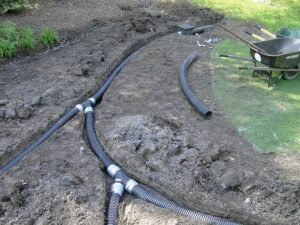
Effective drainage is essential for protecting concrete pavement and the surrounding property. Poor water management can contribute to erosion, soil movement, standing water, and deterioration around pavement edges.
Before installation, contractors should evaluate the property’s natural slope and identify where rainwater will flow. The finished pavement should be designed with suitable elevations and drainage provisions to prevent water from collecting in unwanted areas.
Ground conditions also matter. Soil that shifts, retains excessive moisture, or provides inadequate support may require additional preparation. Depending on the site, contractors may recommend improved subgrade conditions or a more suitable aggregate base.
These additional measures can increase the initial project budget, but they may help prevent expensive structural problems later.
7. Decorative Finishes and Custom Design Features
Concrete pavement can be finished in several ways depending on the property’s appearance and functional requirements. A standard broom finish is commonly selected for practical outdoor surfaces because it provides texture that can improve traction.
Other options include:
- Exposed aggregate: Reveals decorative stones within the concrete surface.
- Stamped concrete: Creates patterns resembling brick, stone, or other materials.
- Colored concrete: Adds customized tones to complement surrounding architecture.
- Decorative borders: Introduces contrasting finishes around the pavement edges.
- Specialized surface textures: Provides different visual and functional characteristics.
Decorative finishes generally require additional materials, labor, or finishing time. Property owners should consider whether these features fit their budget and maintenance expectations before finalizing the design.
8. Weather Conditions and Installation Timing
Weather can influence concrete placement, finishing, and curing. Excessive heat may cause moisture to evaporate too quickly, while cold conditions can slow concrete strength development. Rain during placement can also interfere with the surface finish and concrete quality.
Contractors should assess the forecast and site conditions before scheduling the work. Appropriate curing methods and protective measures may be necessary depending on the weather.
Planning the installation carefully helps reduce avoidable delays and supports better results. Property owners should also discuss how long the pavement needs to cure before vehicles or regular foot traffic can use it.
9. Comparing Estimates and Avoiding Unexpected Expenses
Obtaining multiple estimates is a practical way to understand the potential cost of a concrete pavement project. However, comparing prices only by the quoted square footage can be misleading if contractors include different services.
A detailed estimate should identify:
- Site clearing and excavation.
- Existing pavement removal and disposal.
- Aggregate base preparation.
- Concrete mix and specified thickness.
- Reinforcement requirements.
- Labor and equipment.
- Finishing and joint installation.
- Cleanup and project completion.
Property owners should also ask whether additional expenses could arise from hidden ground conditions, difficult access, or drainage improvements.
Choosing a contractor based on a complete project assessment rather than the lowest initial estimate can help reduce the risk of incomplete work and unexpected costs.
Finding the Right Professional for Your Project
A successful concrete pavement installation depends on careful planning, proper ground preparation, and a clear understanding of the property’s requirements. Property owners considering excavation, grading, or construction preparation may explore Brynion Excavation when evaluating potential solutions for their project. Discussing site conditions, access requirements, and the intended use of the paved area can help establish a practical starting point for planning the work.
Conclusion
Concrete pavement installation costs depend on several connected factors, including project size, excavation, material quality, thickness, labor, drainage, and finishing choices. Understanding these elements helps property owners compare estimates more effectively and avoid making decisions based only on the lowest price. Before starting your next pavement project, consult an experienced professional, request a detailed breakdown of expenses, and choose a construction plan that balances your budget with durability, functionality, and long-term value.