Effective property drainage begins with the shape and condition of the ground. When rainwater cannot move away from buildings, driveways, gardens, and other usable areas, it can create persistent problems for property owners. Standing water, muddy patches, soil erosion, and moisture around foundations are common signs that the land may not be graded correctly. Proper ground grading helps manage surface water before these issues become more difficult and expensive to address.
For homeowners and property managers considering grading and drainage in Colwyn, understanding how the land slopes and where water naturally collects is an important first step. A well-planned grading project can direct runoff toward suitable drainage areas, improve the usability of outdoor spaces, and help protect structures from unnecessary exposure to water. The right approach depends on the property’s layout, soil conditions, existing features, and the amount of water that needs to be managed.
What Is Ground Grading and Why Does It Matter?
Ground grading is the process of shaping or adjusting the soil surface to create appropriate slopes and elevations. It may involve removing excess soil, adding fill material, compacting the ground, or reshaping uneven sections of a property. The goal is to establish a stable surface that supports the intended use of the land while encouraging water to flow in the correct direction.
Without proper grading, rainwater may collect in low areas or travel toward buildings instead of away from them. Even a relatively small change in ground elevation can influence how water moves across a site. This is why grading should be treated as an important part of property preparation rather than simply a way to make the ground look level.
How Proper Grading Supports Better Drainage
Directing Rainwater Away From Buildings
One of the most important purposes of ground grading is to help prevent water from accumulating beside foundations. When the surrounding soil slopes toward a building, rainfall can collect near the structure and increase the risk of moisture-related problems.
A professional grading plan considers the elevation of the building, nearby pathways, garden beds, and surrounding ground. The surface is then shaped to encourage water to move away from vulnerable areas. The precise slope depends on site conditions, available drainage routes, and applicable requirements.
Reducing Standing Water
Low spots can develop naturally over time or result from previous construction, landscaping, or soil movement. These areas often become puddles after rainfall, leaving lawns muddy and outdoor spaces difficult to use.
Correcting uneven elevations helps reduce unnecessary water collection. Depending on the property, this may involve filling depressions, reshaping the surface, or improving the connection between different sections of the site. Proper compaction is also important because poorly compacted fill can settle later and create new low points.
Limiting Soil Erosion
Water moving too quickly across exposed or sloped ground can carry soil away. This may affect garden areas, paths, driveways, and other parts of a property. Over time, erosion can create uneven surfaces and expose roots or underground features.
Grading helps establish more controlled water movement. On properties with steeper sections, additional measures such as vegetation, erosion-control materials, or suitable drainage features may be needed to keep the soil stable.
Important Factors to Assess Before Starting a Grading Project
Every property has different drainage requirements. Before machinery is brought onto the site, it is important to understand the existing conditions and identify the source of the problem.
Existing Ground Levels and Natural Water Flow
A site assessment should identify high and low points, existing slopes, and the direction in which rainwater naturally travels. Property owners should also consider where water collects during heavy rainfall rather than relying only on how the ground appears in dry weather.
Changing one section of a property can affect drainage elsewhere. For example, raising a garden area or reshaping a driveway may redirect runoff toward a neighbouring boundary or another part of the site. A complete assessment helps reduce the risk of transferring the problem instead of solving it.
Soil Type and Ground Stability
Soil conditions influence how water drains and how well the ground holds its shape. Some soils allow water to pass through relatively easily, while others retain moisture and may become soft after prolonged rainfall.
The grading method should account for soil composition, ground stability, and the intended use of the area. In locations where the ground becomes saturated, simply adding more soil may not provide a lasting solution. The underlying drainage conditions may also need attention.
Existing Structures and Services
Before excavation or reshaping begins, contractors should identify relevant underground services and consider nearby buildings, retaining structures, fences, trees, and paved surfaces. These features can restrict machinery access and influence the safest way to carry out the work.
Property owners should discuss access limitations and any sensitive areas with the contractor before the project starts. This helps establish realistic plans for equipment movement, soil placement, and site protection.
The Role of Drainage Systems Alongside Ground Grading
Grading is an important part of surface water management, but it is not always enough on its own. Some properties need additional drainage features to collect or redirect water safely.
Depending on the site’s layout, possible solutions may include:
- Surface drains: These collect water from paved or landscaped areas where runoff tends to accumulate.
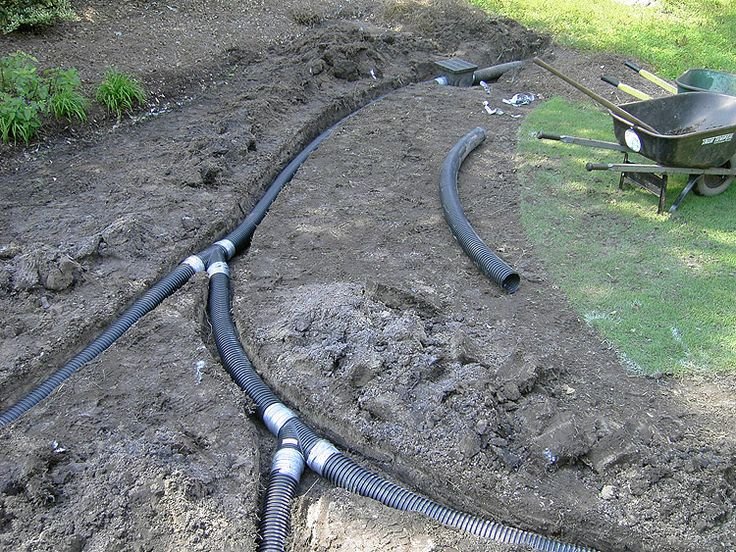
- French drains: These underground systems use a perforated pipe and drainage aggregate to help move excess subsurface water.
- Swales: Shallow, shaped channels can guide surface runoff across suitable areas.
- Downpipe connections: Properly directed roof drainage helps prevent concentrated water discharge beside foundations.
- Erosion-control measures: Vegetation and suitable protective materials can help stabilise exposed soil.
The appropriate option depends on the source of the water, the property’s levels, and the availability of a suitable discharge point. Drainage systems should be designed so that water is not simply redirected into another problem area or onto neighbouring land.
Common Ground Grading Mistakes to Avoid
Some drainage problems become worse because grading work is completed without considering the wider site. One common mistake is creating a surface that looks level but does not provide a suitable route for runoff. Another is adding soil over a low area without addressing why water collects there in the first place.
Poor compaction can also lead to settlement, leaving depressions that collect water after the project is finished. Similarly, grading too close to existing structures without considering foundation levels, pathways, or access points can create additional difficulties.
Property owners should avoid choosing a contractor based on price alone. A low initial quote may not account for proper site preparation, soil handling, drainage considerations, or final surface checks. Asking for a clear explanation of the proposed work can help prevent misunderstandings and unexpected costs.
Why Professional Planning Makes a Difference
Professional grading involves more than moving soil from one place to another. Experienced contractors assess the site, select suitable equipment, consider access restrictions, and plan how the finished ground should perform. They can also identify when additional drainage work may be necessary.
Before hiring a contractor, ask whether the proposed work includes an assessment of existing levels, how runoff will be managed, and whether soil removal or additional materials may be required. It is also useful to clarify the expected finish, project access arrangements, and any measures needed to protect surrounding areas.
A clear project plan helps property owners understand what is included and how the work is intended to improve the site. It also makes it easier to evaluate whether the proposed solution addresses the underlying drainage issue rather than providing only a temporary improvement.
For property owners planning site preparation or drainage improvements in the area, Brynion Excavation can be considered when comparing professional excavation and ground preparation services. Discussing the property’s drainage concerns, access conditions, and intended use of the land can help establish a practical scope of work and identify the grading approach that best suits the project.
Proper ground grading is an investment in the long-term condition and usability of a property. By assessing soil, slopes, and water movement before work begins, property owners can reduce standing water, limit erosion, and create more dependable outdoor spaces. If drainage problems continue after rainfall, consider arranging a professional site assessment to identify the cause and plan an effective solution.