Finding a small, silver-coloured insect moving quickly across your bathroom floor, cupboard, or wall can be an unpleasant surprise. Silverfish are common household pests that prefer dark, damp, and sheltered areas. While they are not known for biting people, an established infestation can become a nuisance and may cause damage to paper products, books, wallpaper, fabrics, and other materials.
Effective Silverfish Control Sydney involves more than removing the insects you happen to see. Silverfish can hide in cracks, wall spaces, cupboards, roof areas, bathrooms, and other protected locations. They can also survive for long periods when suitable food, moisture, and shelter are available.
The good news is that silverfish infestations can often be managed with a combination of moisture control, cleaning, habitat reduction, sealing entry points, monitoring, and appropriate pest treatment. Understanding why silverfish enter your property is the first step towards controlling them.
What Are Silverfish?
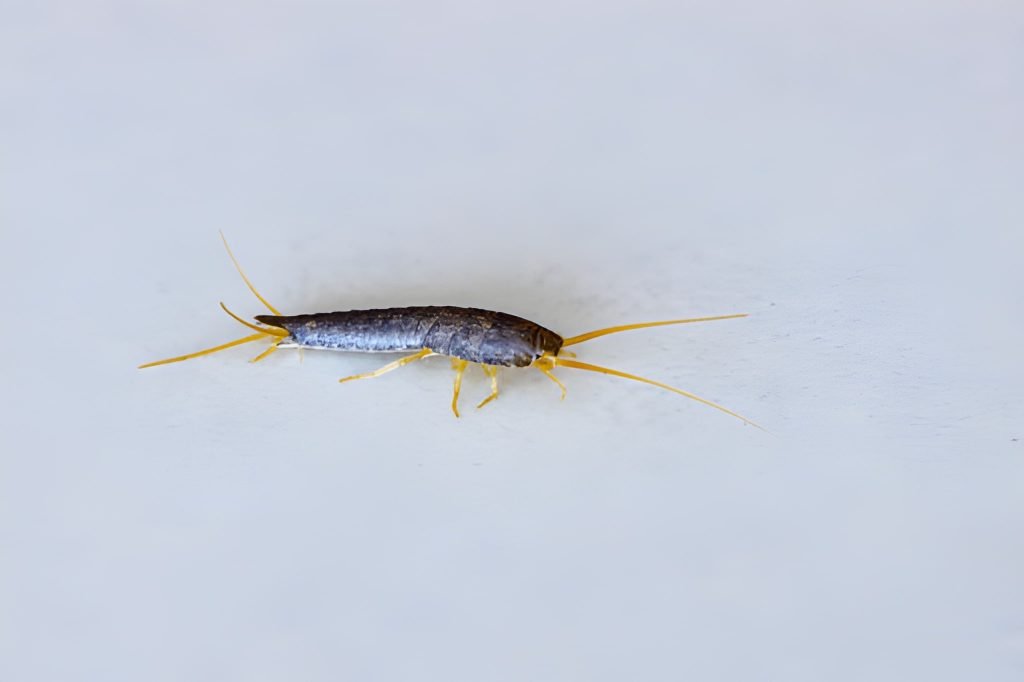
Silverfish are small, wingless insects recognised by their silvery appearance and fish-like movement.
They have elongated bodies, long antennae, and three tail-like appendages at the rear. They are generally nocturnal, which means they are most active at night.
Silverfish prefer environments where there is moisture and shelter. This is why they are commonly found in areas such as bathrooms, laundries, kitchens, cupboards, garages, roof spaces, and storage areas.
They feed on materials containing carbohydrates and starches. Depending on the environment, this can include:
- Paper
- Books
- Cardboard
- Wallpaper
- Glue
- Fabrics
- Starch-based materials
- Some stored products
Seeing one silverfish does not always mean you have a serious infestation. However, repeated sightings can indicate that suitable conditions exist for a population to establish.
Why Silverfish Are Common in Sydney
Sydney properties can provide many of the conditions silverfish prefer.
Humidity, moisture, warm temperatures, and sheltered spaces can create suitable environments for these insects.
They may enter properties through small cracks and gaps or be introduced through items such as cardboard boxes, books, furniture, and stored materials.
Once inside, silverfish can find hiding places in areas that are rarely disturbed.
Bathrooms and laundries are particularly attractive because they can provide moisture.
Storage areas can also provide food and shelter through cardboard, paper, and other materials.
Understanding the environmental conditions that attract silverfish is an important part of long-term pest management.
Signs of a Silverfish Infestation
Silverfish can be difficult to notice because they are small and mostly active at night.
However, several signs may indicate their presence.
Seeing Silverfish at Night
The most obvious sign is seeing silverfish moving across floors, walls, cupboards, or other surfaces.
Repeated sightings suggest that silverfish may be established nearby.
Damage to Books and Paper
Silverfish can feed on materials associated with books and paper products.
You may notice irregular damage, scraped surfaces, or small areas of feeding around stored documents.
Damaged Wallpaper
Silverfish may feed on adhesives and materials associated with wallpaper.
Damage can sometimes appear around edges, seams, or areas where adhesive is present.
Shed Skins
Silverfish moult as they develop.
Finding shed skins in cupboards, storage areas, or dark corners can indicate ongoing activity.
Droppings
Small dark marks or droppings may be present around areas where silverfish are active.
Silverfish Near Moisture
Repeated sightings around bathrooms, sinks, laundries, or damp storage areas can suggest that moisture is contributing to the problem.
Where Do Silverfish Hide?
Finding likely hiding places can help identify the source of an infestation.
Silverfish prefer dark, protected spaces that provide shelter and, where possible, moisture.
Common hiding areas include:
- Bathrooms
- Laundries
- Under sinks
- Kitchen cupboards
- Storage rooms
- Roof spaces
- Wall cavities
- Bookcases
- Cardboard storage
- Garages
- Behind furniture
- Around plumbing
- Cracks and gaps
They may also hide inside boxes and stored materials that remain undisturbed for long periods.
What Attracts Silverfish?
Silverfish are attracted to a combination of moisture, shelter, and available food.
Humidity
High humidity can create favourable conditions.
Poor ventilation in bathrooms, laundries, and storage areas may increase moisture levels.
Water Leaks
Leaking pipes, taps, roofs, or plumbing fixtures can create damp areas where silverfish can thrive.
Paper and Cardboard
Stored cardboard boxes, books, magazines, and paper products can provide food and shelter.
Clutter
Undisturbed piles of paper, boxes, fabrics, and stored materials can create hiding places.
Cracks and Gaps
Small openings can provide access to protected areas within walls, cupboards, and other parts of the building.
Silverfish Control Sydney: Why Moisture Management Matters
One of the most important steps in Silverfish Control Sydney is reducing unnecessary moisture.
Silverfish can survive in a range of environments, but damp conditions can make properties more attractive to them.
Start by checking for water leaks.
Inspect:
- Under sinks
- Around toilets
- Behind washing machines
- Around plumbing connections
- Bathroom fixtures
- Roof areas
- Gutters
- Air-conditioning systems
Repair leaks as soon as practical.
Improving ventilation can also help.
Use bathroom exhaust fans where available and allow damp areas to dry after use.
A dehumidifier may also be useful in particularly humid indoor spaces, depending on the circumstances.
How to Get Rid of Silverfish Naturally
Some basic household measures can reduce silverfish activity.
Start by removing clutter and improving storage.
Keep books, documents, and paper products in suitable containers where practical.
Reduce unnecessary cardboard storage inside the home.
Clean cupboards and storage areas regularly.
Improve ventilation in damp rooms.
Repair leaks and address moisture problems.
Seal suitable cracks and gaps around walls, skirting boards, windows, and plumbing.
These measures may not eliminate an established infestation by themselves, but they can make the environment less favourable for silverfish.
Does Cleaning Get Rid of Silverfish?
Cleaning can help reduce food sources and hiding places, but it may not eliminate an established infestation.
Regular vacuuming can remove insects, shed skins, eggs, dust, and debris from accessible areas.
Pay particular attention to:
- Cupboard corners
- Skirting boards
- Under furniture
- Storage areas
- Behind appliances
- Bathroom edges
- Gaps around fixtures
Cleaning should be combined with moisture control and other prevention measures.
If silverfish activity continues despite improved hygiene, professional pest assessment may be appropriate.
Silverfish Control in Bathrooms
Bathrooms can provide several conditions silverfish prefer.
Water, humidity, dark corners, plumbing gaps, and limited ventilation can all contribute to silverfish activity.
To reduce the attraction:
Keep bathroom surfaces dry where possible.
Use exhaust ventilation after showers.
Repair leaking taps and pipes.
Check around plumbing penetrations.
Clean behind and under bathroom furniture.
Seal suitable gaps around fixtures.
Avoid leaving damp towels or materials in poorly ventilated spaces for extended periods.
If silverfish continue appearing regularly, inspect areas outside the bathroom as well. The insects may be entering from wall cavities, storage areas, laundries, or other parts of the property.
Silverfish Control in Kitchens
Although silverfish are often associated with bathrooms, they can also appear in kitchens.
Kitchen cupboards can provide food, shelter, and moisture.
Check areas around:
- Sinks
- Plumbing
- Cupboards
- Pantries
- Appliances
- Storage boxes
- Gaps around cabinets
Keep food stored appropriately and clean spills promptly.
Do not overlook moisture. A small plumbing leak under a sink can create an environment that attracts pests.
Regularly clean dark and rarely disturbed areas to reduce potential harbourage.
Silverfish and Books, Documents, and Paper
Silverfish can be particularly frustrating for people who store large collections of books, documents, photographs, or paper materials.
Their feeding can damage paper surfaces and materials associated with books.
To protect valuable items:
- Store documents in suitable containers
- Avoid damp storage rooms
- Keep books away from moisture
- Improve ventilation
- Reduce cardboard clutter
- Inspect stored materials regularly
- Avoid placing paper directly against damp walls
Libraries, archives, offices, and businesses with large quantities of paper may need more structured pest monitoring.
Silverfish Control for Businesses
Silverfish can also affect commercial properties.
Offices, libraries, warehouses, retail stores, hotels, educational facilities, and storage businesses may encounter silverfish where paper products, cardboard, humidity, or concealed spaces are present.
Commercial pest management should consider the building as a whole.
Important measures can include:
- Regular inspections
- Monitoring
- Moisture management
- Storage improvements
- Clutter reduction
- Sealing access points
- Cleaning
- Targeted pest treatment
Businesses should also consider how pest activity could affect stored products, documents, customer areas, and workplace operations.
Professional Silverfish Pest Control in Sydney
DIY methods can help with minor activity, but professional pest control may be appropriate when silverfish sightings are frequent or persistent.
A professional pest controller can inspect the property and identify likely harbourage areas.
Treatment may involve targeted applications, monitoring, insecticide treatment, or recommendations for environmental changes.
The exact approach depends on the property and infestation.
Professional treatment should be performed according to product labels and applicable requirements.
If children, pets, food, or sensitive areas are present, ask the pest controller about preparation and safety instructions before treatment begins.
How Professional Silverfish Control Works
A professional service may involve several stages.
Inspection
The pest controller looks for evidence of silverfish activity and conditions that could support them.
Identification
Correct pest identification is important because different insects can require different management approaches.
Harbourage Assessment
The technician identifies likely hiding and breeding areas.
Treatment
Appropriate pest-control products or methods may be applied to relevant areas.
Prevention Advice
The technician may recommend moisture reduction, cleaning, storage changes, or sealing work.
Follow-Up
Depending on the infestation, a follow-up inspection may be recommended.
This approach focuses on both the insects and the environmental conditions supporting them.
How to Prevent Silverfish From Returning
Prevention is an important part of long-term pest control.
Reduce Humidity
Improve ventilation in bathrooms, laundries, and other damp areas.
Repair Leaks
Fix plumbing, roof, or other water leaks promptly.
Store Paper Carefully
Use suitable storage containers for books, documents, and other paper materials.
Reduce Cardboard
Avoid keeping large amounts of cardboard in damp storage areas.
Remove Clutter
Organise storage areas so they are easier to inspect and clean.
Seal Cracks
Seal suitable gaps around skirting boards, walls, windows, pipes, and other entry points.
Vacuum Regularly
Regular cleaning can help remove insects, debris, and potential food sources.
Do Silverfish Damage Clothes?
Silverfish can damage certain fabrics, particularly where the material contains starches, adhesives, or other substances they can feed on.
They may also hide in wardrobes and storage spaces.
If you notice damage to clothing or textiles, inspect storage areas carefully.
Keep clothes clean and dry and avoid storing fabrics in damp environments.
However, several other pests can damage fabrics, so proper identification is important before selecting a treatment.
Are Silverfish Dangerous?
Silverfish are generally not considered dangerous to people.
They do not typically bite humans and are not known for transmitting diseases in the same way as some other household pests.
However, they can become a nuisance and may damage paper, books, wallpaper, fabrics, and other materials.
An infestation can also indicate that a property has moisture or storage conditions that need attention.
For these reasons, persistent silverfish activity should not simply be ignored.
Silverfish vs Firebrats
Silverfish and firebrats are related insects and can look similar.
However, their preferred environments can differ.
Silverfish generally prefer cooler, damp environments, while firebrats are more commonly associated with warmer areas.
Correct identification can help determine what environmental conditions need to be addressed.
If you are unsure which insect you are dealing with, a pest professional can help identify it.
Common Mistakes When Controlling Silverfish
Several simple mistakes can make silverfish management less effective.
Ignoring Moisture
Treating the insects without addressing damp conditions may allow the problem to continue.
Keeping Cardboard for Too Long
Large amounts of cardboard can provide hiding places and potential food sources.
Treating Only Visible Areas
Silverfish can hide in cracks, storage spaces, wall cavities, and other concealed areas.
Ignoring Roof or Plumbing Problems
Moisture may originate from a leak that is not immediately visible.
Using Excessive Pesticide
More pesticide does not automatically mean better control. Always follow the product label.
Misidentifying the Pest
Different insects require different approaches. Correct identification is an important first step.
How to Prepare for Silverfish Treatment
If professional treatment is planned, follow the pest controller’s preparation instructions.
Depending on the treatment, you may be asked to:
- Remove food from treatment areas
- Clear clutter
- Provide access to cupboards
- Move certain furniture
- Store personal items
- Keep children and pets away during treatment
- Follow specified re-entry instructions
Do not apply additional insecticides immediately before professional treatment unless instructed.
The preparation requirements will depend on the treatment method and property.
How Long Does Silverfish Control Take?
The time required depends on the severity and source of the infestation.
A small number of silverfish in one area may be easier to manage than persistent activity throughout a property.
Factors include:
- Infestation size
- Moisture levels
- Number of hiding places
- Property layout
- Treatment method
- Storage conditions
- Building defects
- Follow-up requirements
If moisture problems or access points remain unresolved, silverfish may continue to appear even after treatment.
Long-term control therefore requires attention to the conditions supporting the insects.
Integrated Silverfish Management
Effective pest management usually works best when multiple measures are combined.
An integrated approach can include:
- Inspection
- Identification
- Moisture control
- Cleaning
- Clutter reduction
- Storage improvements
- Sealing suitable gaps
- Targeted treatment
- Monitoring
- Follow-up
This approach addresses both the insects and the environment that allows them to survive.
For example, treating silverfish while leaving a persistent plumbing leak unresolved may not provide lasting control.
Silverfish Control Sydney: Final Thoughts
Effective Silverfish Control Sydney starts with understanding why these pests are appearing.
Silverfish prefer protected environments where they can find suitable moisture, shelter, and food sources. Bathrooms, laundries, kitchens, storage areas, roof spaces, bookcases, and cluttered rooms can all provide suitable conditions.
The first step is to look for signs such as live insects, shed skins, damage to paper products, and repeated nighttime activity.
Next, address the conditions that may be attracting them. Repair leaks, improve ventilation, reduce clutter, manage cardboard and paper storage, and seal suitable cracks and gaps.
For persistent infestations, professional pest control can provide a more detailed inspection and targeted treatment plan.
The goal should not simply be to remove the silverfish you can see. Long-term management means reducing harbourage, controlling moisture, protecting stored materials, and monitoring the property for continuing activity.
With the right combination of prevention and treatment, you can make your Sydney property less attractive to silverfish and reduce the chances of the problem returning.
Frequently Asked Questions
What is Silverfish Control?
Silverfish control involves identifying and managing silverfish activity through inspection, cleaning, moisture control, habitat reduction, sealing access points, monitoring, and appropriate pest treatments.
Why are silverfish common in Sydney?
Sydney properties can provide suitable conditions through humidity, moisture, warmth, shelter, and access to materials such as paper and cardboard. Leaks and poorly ventilated areas can make some locations more attractive to silverfish.
How do I know if I have a silverfish infestation?
Common signs include repeated sightings, particularly at night, shed skins, small droppings, and damage to paper, books, wallpaper, cardboard, or some fabrics.
Where do silverfish hide?
Silverfish can hide in bathrooms, laundries, cupboards, roof spaces, wall cavities, bookcases, storage areas, cardboard boxes, and cracks or gaps around a property.
What attracts silverfish to a house?
Moisture, humidity, shelter, clutter, paper products, cardboard, wallpaper adhesives, and other carbohydrate-containing materials can provide suitable conditions.
Can I get rid of silverfish without professional pest control?
Minor activity may sometimes be reduced through cleaning, moisture control, improved ventilation, clutter reduction, and sealing suitable gaps. Persistent or widespread infestations may require professional assessment and treatment.
Does moisture attract silverfish?
Yes. Silverfish often prefer damp or humid environments. Reducing unnecessary moisture and repairing leaks can help make a property less suitable for them.
Can silverfish damage books?
Yes. Silverfish can feed on paper and materials associated with books, potentially causing damage over time. Keeping books dry and stored appropriately can help protect them.
Are silverfish dangerous to humans?
Silverfish are generally not considered dangerous to humans and are not known for biting people. However, they can become a nuisance and may damage household materials.
Can silverfish damage clothes?
Silverfish can damage certain fabrics, particularly materials containing substances they can feed on. If clothing damage is discovered, inspect storage areas and identify the pest before choosing a treatment.
How can I prevent silverfish from returning?
Reduce humidity, repair leaks, improve ventilation, remove clutter, limit cardboard storage, protect paper products, clean regularly, and seal suitable cracks and gaps.
How long does silverfish treatment take?
The timeframe depends on the infestation, property conditions, moisture levels, treatment method, and whether follow-up work is required. Persistent infestations may require ongoing monitoring.
Is professional silverfish treatment safe?
Professional pest treatments should be applied according to approved product labels and applicable requirements. Ask your pest controller about preparation, re-entry periods, children, pets, food, and any precautions before treatment.
Should I clean before silverfish treatment?
Follow the preparation instructions provided by your pest controller. Cleaning and reducing clutter may be recommended, but avoid applying additional pesticides unless the professional advises you to do so.
Do silverfish mean my house is dirty?
No. Silverfish can occur in clean homes. Their presence is more closely associated with factors such as moisture, humidity, shelter, building conditions, and accessible food sources than cleanliness alone.