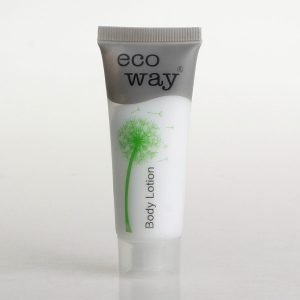
A hotel bathroom is more than a practical space. It is one of the places where guests interact directly with the details of a property, from the quality of the towels to the toiletries placed beside the sink and shower. Shampoo is used by almost every guest, which makes the choice of hair-care products an important part of the overall stay.
Hotel conditioning shampoo can offer a convenient solution for properties that want to provide cleansing and conditioning in one product. It can help simplify housekeeping routines while giving guests a smoother and more comfortable hair-washing experience.
However, not every conditioning shampoo is suitable for hotel use. Hospitality businesses need to consider formulation, fragrance, packaging, hair types, guest expectations, dispenser options, cost, sustainability, storage, and supply reliability.
Whether you manage a boutique hotel, luxury resort, serviced apartment, motel, guesthouse, or larger accommodation group, selecting the right product can help create a consistent bathroom experience.
This guide explains what hotel conditioning shampoo is, its benefits, how to choose the right formula, packaging options, bulk supply, private labelling, sustainability, storage, and common questions hotels should consider before placing an order.
What Is Hotel Conditioning Shampoo?
Hotel conditioning shampoo is a hair-care product designed to cleanse the hair while providing some conditioning benefits in the same formula.
Instead of providing separate shampoo and conditioner bottles, hotels can use a combination product to simplify their bathroom amenities.
Depending on the formulation, conditioning shampoo may help:
- Clean the hair
- Leave hair feeling softer
- Improve manageability
- Reduce the need for a separate conditioner
- Simplify bathroom presentation
- Reduce the number of products housekeeping needs to replenish
The exact benefits depend on the formulation and ingredients.
For hotels, convenience is one of the main reasons to consider a two-in-one product.
Why Hotels Use Conditioning Shampoo
Hotel bathrooms need to balance guest comfort with practical housekeeping requirements.
Providing separate shampoo and conditioner can create more products for staff to stock, replenish, and manage.
A conditioning shampoo can simplify the amenity range.
This can be particularly useful for:
- Budget hotels
- Business hotels
- Motels
- Serviced apartments
- Guesthouses
- Large accommodation properties
Luxury hotels may still choose separate premium shampoo and conditioner products because guests may expect a more extensive hair-care experience.
The right choice depends on the property’s positioning.
Benefits of Hotel Conditioning Shampoo
There are several reasons a hotel may choose a conditioning shampoo for guest rooms.
Two Products in One
Guests can wash and condition their hair without needing separate bottles.
Simple Bathroom Presentation
Using fewer products can create a cleaner and less cluttered shower area.
Easier Housekeeping
Staff have fewer individual products to replenish.
Potentially Lower Amenity Costs
Combining products may reduce the number of individual bottles required.
Convenient for Short Stays
Guests staying for one or two nights may appreciate a simple product that performs both functions.
Suitable for Dispensers
Conditioning shampoo can be supplied through wall-mounted dispensers, depending on the product and dispenser design.
Choosing the Right Hotel Conditioning Shampoo
The product should be selected according to guest expectations rather than price alone.
Consider the following factors.
Formula
The shampoo should provide effective cleansing while offering appropriate conditioning benefits.
Fragrance
Choose a fragrance that fits the hotel’s environment.
A clean, subtle fragrance may appeal to a broad range of guests.
Texture
The product should be easy to dispense and apply.
Packaging
Packaging should match the hotel’s bathroom design and brand identity.
Ingredients
Hotels may want to consider ingredients based on their guest profile and brand positioning.
Consistency
A supplier should be able to provide the same formulation consistently across repeat orders.
Hotel Conditioning Shampoo for Different Hotel Types
Different properties have different requirements.
Luxury Hotels
Luxury properties may prefer premium conditioning shampoo with sophisticated packaging and carefully selected fragrance profiles.
The product can become part of the hotel’s wider bathroom amenity collection.
Boutique Hotels
Boutique properties may use toiletries to reinforce their unique identity.
Private-label packaging or a distinctive fragrance can complement the hotel’s branding.
Budget Hotels
Budget properties often prioritise value, convenience, and reliable supply.
A two-in-one conditioning shampoo can reduce the number of individual amenities required.
Resorts
Resorts may need larger quantities due to higher amenity usage.
They may also choose products that fit spa, pool, or wellness facilities.
Serviced Apartments
Longer-stay guests may appreciate larger bottles or refillable dispensers.
A conditioning shampoo can also simplify the bathroom amenity setup.
Hotel Conditioning Shampoo in Bulk
Hotels typically need more shampoo than individual consumers.
Buying in bulk can simplify procurement and potentially lower the cost per unit.
Before placing a large order, consider:
- Minimum order quantity
- Cost per unit
- Shipping
- Delivery schedule
- Storage space
- Product shelf life
- Packaging
- Reorder lead times
- Supplier reliability
The lowest unit price is not always the best deal.
If a supplier regularly experiences stock shortages or long delivery delays, a slightly higher-priced product with dependable availability may be more practical.
How Much Conditioning Shampoo Does a Hotel Need?
The quantity required depends on several factors.
Hotels should consider:
- Number of rooms
- Average occupancy
- Average length of stay
- Number of bathrooms
- Product size
- Guest usage
- Replenishment frequency
- Dispenser capacity
- Seasonal occupancy
A hotel that is almost fully booked during peak periods may use substantially more product than during quieter months.
Monitoring actual consumption can help create more accurate purchasing forecasts.
Individual Bottles vs Dispensers
Packaging is an important decision when selecting hotel conditioning shampoo.
Individual Bottles
Small bottles remain popular in hospitality.
Advantages include:
- Individual portions
- Easy replacement
- Convenient guest use
- Custom branding opportunities
- Familiar hotel presentation
They can also create more packaging waste, depending on the materials and disposal system.
Wall-Mounted Dispensers
Dispensers can offer a practical alternative.
Benefits may include:
- Reduced packaging
- Easier replenishment
- Larger product capacity
- Consistent bathroom presentation
- Potentially lower amenity waste
Hotels should select dispensers that are compatible with the product and easy for housekeeping staff to clean and refill.
Sustainability and Hotel Conditioning Shampoo
Sustainability is becoming an important consideration for many hospitality businesses.
Hotels can explore ways to reduce packaging and product waste without compromising the guest experience.
Possible options include:
- Refillable dispensers
- Larger refill containers
- Recyclable packaging
- Reduced plastic packaging
- Concentrated formulations
- Responsible sourcing
A sustainability strategy should consider the full product lifecycle.
Hotels should also ensure that environmental claims made on packaging and marketing materials are accurate and supported by appropriate information.
Private-Label Hotel Conditioning Shampoo
Private-label products allow hotels to offer toiletries under their own brand.
A custom product can include:
- Hotel logo
- Brand colours
- Product name
- Fragrance information
- Ingredient details
- Usage instructions
- Brand messaging
Private labelling can be particularly useful for boutique hotels, resorts, and hotel groups that want their amenities to feel distinctive.
Before choosing a private-label supplier, ask about:
- Minimum order quantities
- Formulation options
- Bottle sizes
- Label design
- Packaging
- Lead times
- Samples
- Production capacity
Custom products often require more planning than standard stock products.
What Ingredients Should Hotel Conditioning Shampoo Contain?
There is no universal ingredient list that is right for every hotel.
The formulation should be evaluated based on the intended guest experience and applicable cosmetic requirements.
Hotels may consider products containing ingredients intended to support:
- Hair cleansing
- Conditioning
- Moisture
- Smoothness
- Manageability
- Fragrance
Some properties may also look for specific formulation characteristics based on their brand positioning.
For example, a hotel may prefer a vegan, plant-derived, or silicone-free formula if those characteristics align with its product strategy.
Claims should always be based on accurate product information.
Fragrance Selection for Hotel Conditioning Shampoo
Fragrance can influence how guests perceive a bathroom product.
Hotels generally need a scent that feels fresh and pleasant without becoming overwhelming.
Potential fragrance directions include:
- Citrus
- Herbal
- Floral
- Fresh
- Woody
- Clean
- Light botanical
A luxury hotel may choose a signature fragrance that appears across shampoo, conditioner, body wash, and lotion.
For properties serving a broad guest population, a subtle fragrance can be a practical choice.
Hotels should also consider that fragrance preferences vary significantly between individuals.
Packaging for Hotel Conditioning Shampoo
Packaging should be practical as well as attractive.
Consider:
- Bottle size
- Bottle shape
- Cap design
- Label readability
- Dispenser compatibility
- Material
- Branding
- Ease of handling
Small bottles should be easy to open, particularly in wet shower environments.
Labels should remain readable after exposure to water.
For dispensers, the pump or dispensing mechanism should be simple enough for guests to operate and easy for housekeeping staff to refill.
Hotel Conditioning Shampoo and Guest Experience
Small details can influence the overall perception of a hotel.
Guests may notice whether toiletries look clean, professional, modern, premium, or poorly presented.
A good bathroom amenity collection should complement:
- Towels
- Bathroom fixtures
- Lighting
- Interior design
- Guest-room branding
- Other toiletries
Consistency matters.
For example, a premium hotel may not want a basic-looking shampoo bottle alongside carefully selected towels and high-end bathroom fixtures.
The toiletries should fit the visual language of the property.
Hotel Conditioning Shampoo for Long-Stay Guests
Long-stay accommodation may have different requirements from traditional hotels.
Guests staying for several days or weeks are likely to use more hair-care products.
Larger bottles or refillable dispensers can be practical for:
- Serviced apartments
- Extended-stay hotels
- Corporate accommodation
- Holiday apartments
- Resorts
Inventory planning is especially important for longer stays because rooms may require more frequent product replenishment.
Hotel Conditioning Shampoo for Spas and Resorts
Hotels with spas and wellness facilities may need products that fit a broader personal-care collection.
Conditioning shampoo can be provided in:
- Guest rooms
- Spa showers
- Pool changing rooms
- Wellness facilities
- Fitness areas
Different areas may require different packaging and dispensing formats.
For example, a pool or gym may benefit from wall-mounted dispensers, while premium guest suites may use individually packaged amenities.
Managing Hotel Shampoo Inventory
Inventory management is an important part of hospitality operations.
A hotel should track how much conditioning shampoo is used over time.
Monitor:
- Starting stock
- Weekly consumption
- Monthly consumption
- Peak-season usage
- Supplier lead time
- Damaged stock
- Expired stock
- Reorder levels
A simple inventory system can help housekeeping and purchasing teams coordinate.
Hotels with multiple locations can also standardise products to simplify purchasing.
Storing Hotel Conditioning Shampoo
Correct storage helps protect product quality.
Store products in a clean and dry environment according to the manufacturer’s recommendations.
Avoid excessive heat and direct sunlight where applicable.
Keep cartons organised so staff can access stock easily.
Hotels should also monitor product shelf life and use appropriate stock rotation practices.
Good storage can reduce unnecessary waste and help maintain consistent product quality.
Hotel Conditioning Shampoo for Housekeeping Teams
A product may be excellent for guests but difficult for housekeeping staff to manage.
The practical side of the product should therefore be considered.
Housekeeping teams need products that are:
- Easy to identify
- Easy to carry
- Simple to refill
- Clearly labelled
- Easy to store
- Consistent between orders
If the hotel uses multiple toiletries, consistent packaging can make room servicing faster.
Common Hotel Conditioning Shampoo Supply Mistakes
Choosing Only on Price
The cheapest product may not provide the quality or guest experience you expect.
Selecting a Strong Fragrance
An overpowering fragrance may not appeal to all guests.
Ordering Too Much
Excess inventory can occupy valuable storage space and tie up purchasing budgets.
Ordering Too Little
Stock shortages can create problems for housekeeping teams.
Ignoring Packaging
A poor-quality bottle can undermine an otherwise good product.
Changing Products Too Frequently
Frequent changes can create inconsistent guest experiences and complicate housekeeping.
Ignoring Supplier Lead Times
Private-label and bulk products may require additional production time.
How to Choose a Hotel Conditioning Shampoo Supplier
A reliable supplier is essential for maintaining consistent hotel operations.
When comparing suppliers, consider:
- Product quality
- Hospitality experience
- Minimum order quantities
- Pricing
- Delivery reliability
- Lead times
- Private-label options
- Packaging choices
- Sustainability options
- Customer service
- Product consistency
Request samples before making a large purchase.
Testing the product in guest rooms can provide useful feedback on fragrance, texture, packaging, and ease of use.
Questions to Ask Your Supplier
Before ordering hotel conditioning shampoo, ask:
- Is the product specifically designed for hospitality use?
- What sizes are available?
- Can you provide samples?
- What is the minimum order quantity?
- Is bulk packaging available?
- Can the product be private labelled?
- What packaging options are available?
- What is the expected shelf life?
- What are the storage requirements?
- What is the standard delivery lead time?
- Can you provide consistent supply for recurring orders?
- Are refillable dispenser options available?
- Can you provide ingredient information?
- Are matching body wash and lotion products available?
- What happens if the product becomes temporarily unavailable?
Clear answers can help you choose a supplier that can support your property over the long term.
Matching Conditioning Shampoo With Other Hotel Amenities
Hotels often create a coordinated bathroom amenity range.
A collection might include:
- Conditioning shampoo
- Body wash
- Hand wash
- Body lotion
- Soap
- Conditioner
- Shower caps
- Dental kits
Matching packaging and fragrance can make the bathroom feel more organised.
For luxury properties, a complete amenity collection can also become part of the hotel’s branding.
How to Improve Your Hotel Conditioning Shampoo Strategy
Start by reviewing what guests currently receive.
Ask housekeeping teams which products are easiest to manage.
Review guest feedback where available.
Then compare:
- Product quality
- Guest satisfaction
- Consumption
- Cost
- Packaging waste
- Supplier reliability
- Storage requirements
If the current product creates frequent stock or housekeeping problems, changing suppliers or formats may be worthwhile.
A good procurement strategy should balance guest experience with practical hotel operations.
Hotel Conditioning Shampoo: Final Thoughts
Choosing the right hotel conditioning shampoo can help hotels provide a convenient hair-care product while simplifying bathroom amenity management.
A two-in-one formula can be especially practical for properties that want to reduce the number of products housekeeping teams need to replenish. It may also provide a cleaner bathroom presentation and work well with refillable dispensing systems.
However, product selection should not be based on convenience alone.
Hotels need to consider formula, fragrance, packaging, ingredients, guest expectations, sustainability, cost, storage, and supplier reliability.
Luxury properties may choose premium formulas and custom packaging, while budget hotels may prioritise value and consistent bulk availability. Boutique properties can use private-label conditioning shampoo to reinforce their brand identity.
Packaging is another important decision. Individual bottles offer familiar hotel presentation and convenient portions, while dispensers can reduce packaging and simplify replenishment.
Before placing a large order, request samples and test the product in real hotel bathrooms. Consider how it feels, smells, looks, and performs from both the guest’s and housekeeping team’s perspective.
Inventory management should also be part of the purchasing strategy. Track actual usage, account for seasonal occupancy, maintain suitable backup stock, and understand supplier lead times.
Ultimately, the right product is one that fits your hotel’s brand, guest expectations, operational needs, and budget.
With careful product selection and a reliable supplier, conditioning shampoo can become a practical and polished part of your hotel’s bathroom amenity collection.
Frequently Asked Questions
What is hotel conditioning shampoo?
Hotel conditioning shampoo is a hair-care product designed to cleanse hair while also providing conditioning benefits. It combines two functions into one product and can simplify hotel bathroom amenities.
Is conditioning shampoo suitable for hotels?
Yes. Conditioning shampoo can be suitable for hotels that want a convenient two-in-one hair-care product. The best choice depends on the property’s guest expectations, budget, bathroom setup, and brand positioning.
What are the benefits of hotel conditioning shampoo?
It can simplify bathroom amenities, reduce the number of separate products, make housekeeping replenishment easier, and provide guests with a convenient cleansing and conditioning product.
Is hotel conditioning shampoo the same as regular shampoo?
Not necessarily. Hotel conditioning shampoo is typically selected and packaged for hospitality use, while regular consumer shampoo is generally designed for individual retail customers. Formulations and packaging can vary considerably.
Can hotels buy conditioning shampoo in bulk?
Yes. Hospitality suppliers may offer bulk quantities suitable for hotels, resorts, serviced apartments, and other accommodation businesses.
Can hotel conditioning shampoo be private labelled?
Yes. Depending on the supplier, hotels may be able to customise the product packaging with their own logo, colours, product name, and other branding elements.
Should hotels use bottles or dispensers?
Both options can work. Individual bottles offer convenience and traditional hotel presentation, while dispensers can reduce packaging waste and simplify replenishment.
What fragrance is best for hotel shampoo?
A fresh, subtle fragrance is often practical for hotels serving a wide range of guests. However, fragrance selection should match the hotel’s brand and guest experience.
How much conditioning shampoo should a hotel order?
The required quantity depends on the number of rooms, occupancy, guest usage, bottle size, replenishment frequency, and seasonal demand. Tracking actual consumption can help create accurate purchasing forecasts.
How should hotel conditioning shampoo be stored?
Store the product in a clean, dry environment according to the manufacturer’s recommendations. Protect it from unsuitable temperatures and direct sunlight where required, and rotate stock appropriately.
Can hotel conditioning shampoo be used in dispensers?
Many conditioning shampoo products can be supplied through suitable dispensers, but compatibility depends on the formulation and dispenser design. Always confirm compatibility with the supplier.
What should hotels look for in conditioning shampoo?
Hotels should consider the formula, cleansing and conditioning performance, fragrance, packaging, ingredients, guest expectations, sustainability, cost, shelf life, and supplier reliability.
Is expensive conditioning shampoo better for hotels?
Not necessarily. The product should match the hotel’s positioning and guest expectations. A practical, well-formulated product may be more appropriate than a premium option that does not fit the property’s needs.
Can hotels get matching body wash and lotion?
Many hospitality suppliers offer coordinated amenity collections containing conditioning shampoo, body wash, hand wash, lotion, soap, and other bathroom products.
How can hotels reduce shampoo packaging waste?
Hotels can consider refillable dispensers, larger refill containers, recyclable packaging, reduced-plastic options, and other suitable packaging strategies.
Should hotels test conditioning shampoo before ordering?
Yes. Samples allow hotel managers and housekeeping teams to evaluate fragrance, texture, packaging, usability, and overall suitability before committing to a large order.
How often should hotels reorder conditioning shampoo?
There is no universal reorder schedule. Hotels should consider consumption, occupancy, current stock, seasonal demand, supplier lead times, and desired safety stock when setting reorder points.
What makes a good hotel conditioning shampoo supplier?
A reliable supplier should offer consistent product quality, dependable delivery, suitable hospitality packaging, clear pricing, reasonable minimum order quantities, responsive customer service, and the capacity to support recurring hotel orders.