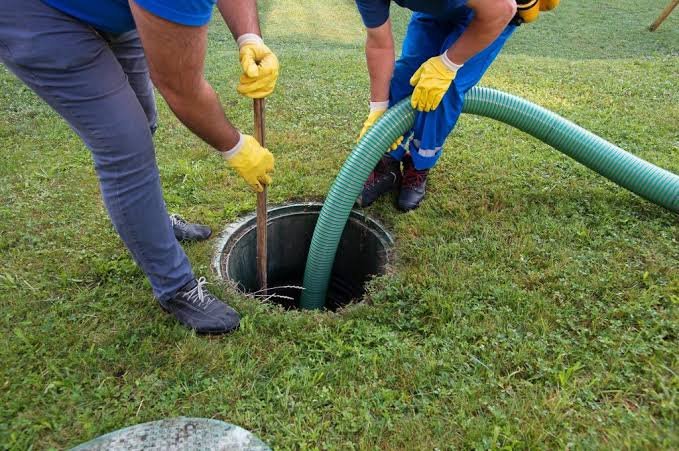
The majority of rural houses situated near Riceboro, GA, should consider Septic tank pumping in Riceboro every 3 to 5 years. It depends on household size, capacity of the tank, amount of water, and presence of garbage disposers. Overlooking that timeframe will result in backups, drainage system failures, and costly repairs. This guide reveals the key factors so that you can understand what to do.
Why Rural Houses Near Riceboro Require Septic Pumping
Being located in the countryside implies managing your own wastewater treatment since there are no municipal sewage lines to do the work. The septic tank does the job, yet it requires proper care which includes not allowing the sludge levels to rise to a critical point. Unfortunately, some people realize the importance of pumping only when sewage backs up in toilets or the whole yard becomes a pool. And the repair expenses become much higher than just one service.
What Is the Typical Septic Pumping Frequency?
The general recommendation, which is used by specialists and the Georgia Department of Public Health, is every 3 to 5 years. It concerns 1,000 gallons of capacity for a septic tank and 4 people per household. For smaller households with larger tanks, the frequency can Big families or small tanks need it sooner. It’s not guesswork. Solids settle on the bottom as sludge and a scum layer floats on top. When those layers take up too much space, the tank can’t hold wastewater long enough for the bacteria to do their thing. Solids start heading out to the drain field and that’s when the real problems begin.

How Riceboro Soil and Rural Living Affect Septic Systems
Around Riceboro the soil and the way people live play into it too. A lot of these places sit on sandy or mixed soils that drain pretty well if the system is healthy. But if you skip pumping, the field clogs and you end up with standing water or sewage smells after a hard rain. Rural homes here often have older systems or ones that got expanded when the family grew. An old 750-gallon tank serving six people is going to need attention a lot faster than a new 1,500-gallon unit for a couple of empty-nesters. You can’t treat every house the same.
How Household Size Changes Pumping Frequency
The primary factor is household size. One or two individuals in a 1,000-gallon tank may go for five years or more without accumulating sludge. Three or four people will likely get the three-to-four-year range. With five or six individuals, you can expect every two years, and perhaps even shorter. With a garbage disposal, reduce that timeframe by a third because food particles will become sludge quickly. A lot of laundry washing, long showers, and constant use of the dishwasher will increase the water flow and decrease that time as well. High water usage should warrant regular septic tank checkups.
Why Is the Septic Tank Size Important
The size of the septic tank is an important factor as well. Most three-bedroom houses in our area had the 1,000-gallon tanks installed. Four or five-bedroom houses got either 1,250 or 1,500 gallon tanks. With bigger tanks, you get additional space for solids to settle before they reach the outlet. However, not knowing the size of the tank you have is a problem.A quick inspection by a local septic pro will measure the sludge and scum layers and tell you exactly where you stand. Don’t wait for the calendar. Measure the layers. The tank is due for pumping when there is sludge buildup of about one-third of the tank depth.
Impact of Water Consumption on Septic System Pumping
Water usage plays a significant role as well. Saving water not only saves on the bill, but it slows down the filling process. Leaky toilets, shorter showers, and distribution of clothes washing during the week all contribute to that. Inversely, a household that includes a lot of teens or an apartment building rented out weekly will have to pump their septic tanks more often. Seasonal locations that stay unoccupied during most of the year can possibly increase the period between pumpings, but still, these systems have to be serviced every few years due to slow accumulation of sludge.
Signs Your Riceboro Septic Tank Needs Pumping
Signs you waited too long are pretty clear once they show up. Slow drains in more than one fixture. Sewage odors near the tank or drain field. Wet spots or unusually green grass over the field. Toilets that flush slow or back up. If you notice any of that, call for pumping right away and get the system looked at. Waiting longer just risks a full failure that can cost thousands to dig up and replace the drain field. Regular pumping is cheap insurance compared to that.
How to Choose a Septic Tank Pumping Service in Riceboro
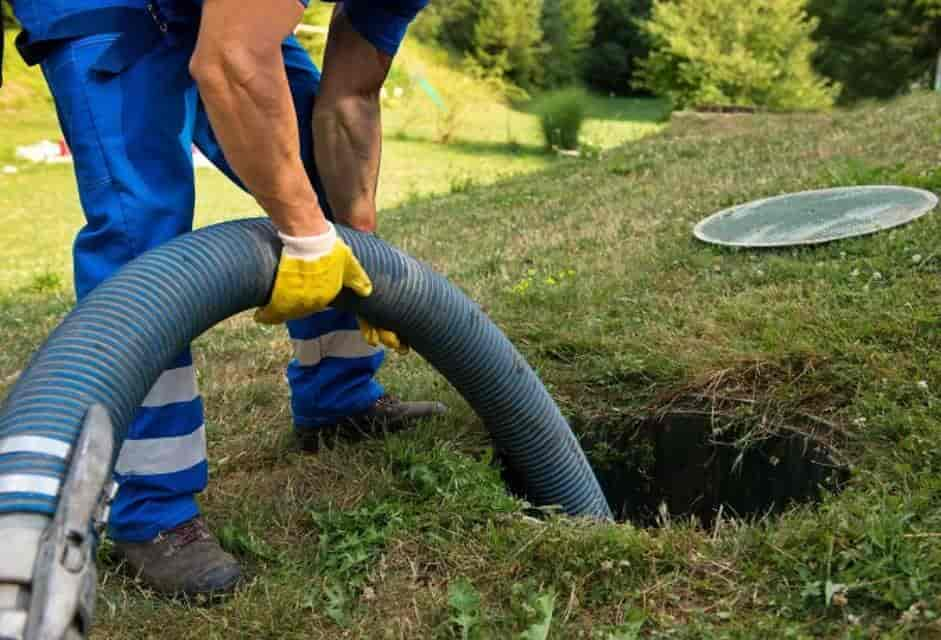
Finding an efficient septic tank pumping service in Riceboro is quite easy provided you know where to look for the right local service providers. You should ask about the disposal of septage and if the tanks will be inspected during the process. A professional team will check the sludge level and baffles of your tank and give you a time frame of the next pump-out.They help if you ever sell the place or need to prove maintenance history. Skipping service because it “seems fine” is the fastest way to end up with a mess in the yard.
Do Septic Tank Additives Reduce Pumping Frequency?
Some folks think additives or special bacteria will stretch the time between pumpings. They don’t. The solids still accumulate. The only real way to clear them is to pump the tank. Georgia doesn’t force a strict statewide schedule on homeowners, but the health department tables line up with the three-to-five-year guidance. Following that keeps your system working and protects the groundwater that a lot of rural wells around Riceboro rely on.
Conclusion
Getting the timing right on septic tank pumping keeps rural homes around Riceboro running without the headaches of backups or field failures. Measure the solids, match the schedule to your household and tank size, and stick with it. Most places need service every three to five years, sometimes sooner if the load is heavy. Don’t wait for problems. A regular pump-out is the simplest way to protect the system and avoid bigger bills later. Consistent septic tank pumping is just part of taking care of a rural property the right way.