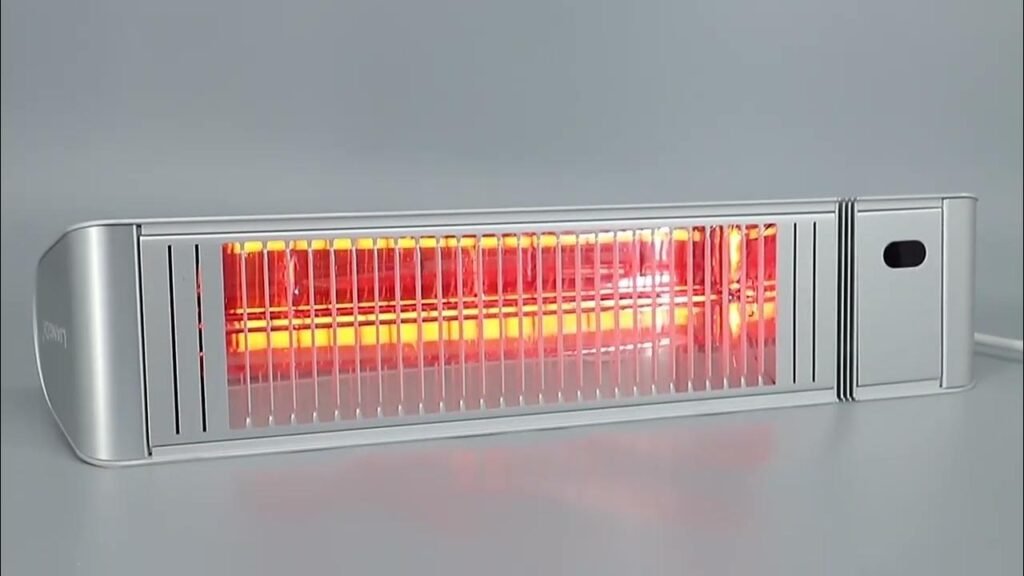
An outdoor infrared heater provides a practical and efficient way to maintain warmth in outdoor spaces during cooler weather. By using infrared radiation, these heaters deliver direct heat to people and objects, rather than dispersing warmth into the air. This method ensures effective heating in open areas where traditional heaters may struggle to perform efficiently. Suitable for various settings, radiant heaters are increasingly utilised in both residential gardens and commercial venues, offering a reliable solution for outdoor comfort regardless of the season.
Understanding How Radiant Heaters Work
Radiant heaters function by emitting infrared radiation, a form of energy that transfers heat directly to objects and individuals without relying on air as a medium. This process mirrors the natural heating effect of sunlight, ensuring warmth is delivered efficiently and precisely.
Unlike convection heaters, which warm surrounding air, radiant heaters focus energy on specific areas, minimising heat loss in open spaces. This targeted heating approach makes them particularly well-suited to outdoor environments, where wind or open layouts can disperse warmed air quickly.
The efficiency of this heating method is further enhanced by the rapid heat transfer provided by infrared technology. Radiant heaters begin warming surfaces and individuals almost immediately upon activation, ensuring a quick and consistent temperature increase. This design allows them to perform effectively in a variety of outdoor applications, maintaining comfort even in colder conditions.
Benefits of Radiant Heaters for Outdoor Use
Radiant heaters offer a practical solution for maintaining comfort in outdoor spaces, providing consistent warmth even in open or breezy environments. Their targeted heating approach ensures energy is directed efficiently towards individuals and objects, minimising unnecessary heat loss. This makes them especially effective in settings such as patios, terraces, and outdoor dining areas.
In addition to energy efficiency, radiant heaters enhance outdoor usability by allowing spaces to be enjoyed during colder months. Their silent operation ensures minimal disruption, creating a peaceful atmosphere for social gatherings or relaxation. By providing instant warmth, they eliminate the need for extended preheating times, making them both convenient and efficient.
Furthermore, radiant heaters help reduce overall energy consumption compared to traditional heating methods, offering an environmentally conscious way to enjoy outdoor comfort without compromising on functionality.
Installation Considerations
Proper positioning is essential when installing radiant heaters to ensure even heat distribution across the intended area. Overhead mounting or wall placement is often recommended to maximise coverage while maintaining safety. Attention must be given to maintaining adequate clearance from combustible materials to minimise fire risks. Electrical connections should be inspected for compliance with safety standards and securely installed to avoid hazards.
The height at which the heater is mounted can also influence its effectiveness, as it should provide sufficient warmth without being obstructive. For fixed installations, brackets or mounts must be sturdy to support the unit.
In outdoor environments, selecting weather-resistant heaters and ensuring proper sealing of electrical components can enhance longevity. Following installation guidelines provided by manufacturers and consulting qualified professionals for installation can ensure both safety and optimal performance in any outdoor setting.
Environmental Impact of Radiant Heaters
The environmental impact of radiant heaters is influenced by the energy source used to power them. Electric radiant heaters, when powered by renewable energy, contribute significantly less to greenhouse gas emissions compared to gas-powered models. Gas heaters, particularly those reliant on fossil fuels, can have a higher carbon footprint due to emissions during combustion.
The efficiency of radiant heaters also plays a role in reducing energy consumption, as they deliver targeted heat without significant energy wastage. This efficient heating method can minimise overall environmental strain compared to less focused alternatives.
Additionally, the durability and longevity of radiant heaters help reduce waste by limiting the need for frequent replacements. Choosing models designed with recyclable materials further supports environmentally conscious practices, ensuring that radiant heating remains a sustainable option for outdoor spaces.
Types of Radiant Heaters Available
Radiant heaters are categorised into electric and gas-powered models, each offering distinct features suited to various outdoor settings. Electric radiant heaters are often lightweight and straightforward to install, relying only on a power source for operation. They are typically quieter and produce no direct emissions, making them a cleaner option for outdoor use.
Gas-powered heaters, on the other hand, utilise propane or natural gas and are often chosen for their high heat output. These models can be more powerful and effective in larger spaces but may require additional considerations for fuel storage and ventilation.
Radiant heaters also differ in their mobility, with portable options providing flexibility for repositioning, while fixed units deliver a permanent heating solution. Design variations, including freestanding and mounted styles, ensure suitability for diverse outdoor layouts and functional needs.
Design Aesthetics and Outdoor Decor
Radiant heaters are designed with a range of aesthetics to blend harmoniously into various outdoor environments. Modern designs often feature minimalist structures with clean lines and neutral finishes, suitable for contemporary patios or terraces. Traditional designs, on the other hand, incorporate ornate details or classic materials, complementing more rustic or vintage settings.
Many radiant heaters are available in diverse colours, materials, and finishes, such as stainless steel, matte black, or brushed copper. These options allow for seamless integration into outdoor furniture and decor themes. Certain models are designed with discreet mounting capabilities, ensuring they remain unobtrusive while still providing effective heating.
Whether positioned as a focal point or subtly incorporated into the overall layout, radiant heaters combine functionality with visual appeal, enhancing the ambience of outdoor spaces without compromising their design integrity.
Cost-Effectiveness of Outdoor Radiant Heater
An outdoor radiant heater is considered cost-effective due to their energy-efficient operation and targeted heating capabilities. By focusing heat directly on specific areas, they minimise energy wastage compared to traditional heating methods. This efficient design often translates to reduced energy costs over time, particularly in outdoor settings where heat loss is common.
The durability of radiant heaters further enhances their cost-effectiveness, as their long lifespan reduces the need for frequent replacements. Maintenance requirements are generally minimal, which helps to keep ongoing expenses low.
Additionally, the availability of various models allows users to select options that align with their budget and specific requirements. Features such as adjustable heat settings can also contribute to savings by enabling precise control of energy consumption. Over time, these attributes make radiant heaters a practical and economical choice for outdoor heating solutions.
Seasonal Use and Maintenance
Radiant heaters are built to endure varying outdoor conditions, making them practical for year-round use. Many models feature weather-resistant materials and designs, ensuring reliable operation even in damp or cold climates. To maintain performance, regular cleaning of surfaces is recommended to remove dirt or debris that may hinder heat output. Electrical connections and components should be routinely inspected for wear or damage, particularly in harsh environments.
Proper storage during prolonged periods of non-use can further extend their lifespan, protecting the unit from unnecessary exposure to extreme weather. Performing periodic maintenance checks, such as tightening loose fittings or examining seals, ensures consistent functionality. Adhering to manufacturer guidelines for care and maintenance can help retain the efficiency of the heater over time.
Regulations and Compliance
Adhering to regulations and compliance standards is crucial when installing radiant heaters in outdoor spaces. Specific guidelines often dictate factors such as minimum clearance requirements, appropriate mounting positions, and safety measures to prevent fire hazards. Electrical installations must meet applicable safety standards to ensure secure and hazard-free operation. Some regions may have restrictions regarding the use of certain fuel types or emissions limits, particularly for gas-powered models.
Consulting local building codes and regulatory bodies can help ensure the installation adheres to legal and safety requirements. Additionally, periodic inspections may be necessary to confirm ongoing compliance with updated regulations, promoting safe and efficient heater operation throughout its lifespan. Compliance ensures the heater functions effectively while maintaining safety in outdoor settings.
Popular Outdoor Applications
Radiant heaters are widely utilised across various outdoor settings to ensure comfort in cooler conditions. They are frequently installed in residential gardens, allowing for extended use of patios, terraces, or decking areas throughout the year. In commercial environments, such as outdoor dining spaces at restaurants or cafes, they create a welcoming atmosphere by maintaining consistent warmth for patrons. Events and public gatherings held in open-air venues also benefit from radiant heaters, as they provide targeted heating without disrupting the ambience.
Additionally, they are employed in recreational spaces like poolside areas or pergolas, offering a practical solution for maintaining a comfortable temperature. Their adaptability ensures they cater to diverse outdoor needs across both personal and professional applications.
Innovations in Radiant Heating Technology
Advancements in radiant heating technology have introduced energy-efficient designs and enhanced control mechanisms. Smart heating systems now enable remote operation and customisable heat settings through mobile applications or integrated home systems. Infrared technology has been further refined to optimise heat distribution, improving both efficiency and performance.
Newer models also incorporate eco-friendly features, such as compatibility with renewable energy sources, reducing their environmental impact. Enhanced materials and coatings have improved durability, ensuring heaters can withstand diverse outdoor conditions. These innovations continue to improve the functionality and sustainability of radiant heaters, supporting their widespread use in outdoor environments.
Conclusion
An outdoor infrared heater provides an exceptionally practical and energy-efficient solution for extending the usability of outdoor entertaining areas, patios, and commercial spaces across Australia. By utilizing targeted infrared technology, these systems warm people and surfaces directly, eliminating the heat loss typical of traditional convection heaters in open or breezy environments. Available in electric and gas options, radiant heaters seamlessly blend functionality with stylish design aesthetics to enhance outdoor decors. Operating with minimal noise and requiring negligible maintenance, investing in a high-performance radiant heater ensures year-round comfort, optimized energy consumption, and sustainable outdoor heating for both residential and commercial applications.
FAQs
How does an outdoor infrared heater differ from a traditional convection heater?
An outdoor infrared heater emits radiant energy that directly warms solid objects and people without heating the surrounding air. In contrast, convection heaters attempt to warm the air itself, which quickly disperses in outdoor or breezy conditions. This direct heat transfer ensures immediate, efficient, and targeted warmth regardless of outdoor wind conditions across Australia.
What are the primary benefits of electric radiant heaters over gas models?
Electric radiant heaters are lightweight, quiet, produce zero direct emissions, and can be easily powered by renewable energy like solar. They offer simple wall or ceiling mounting with minimal clearance requirements. Gas models deliver high heat output for larger spaces but require dedicated fuel storage, ongoing gas refills, and ventilation considerations across Australia.
What safety considerations should be managed during installation?
Proper installation requires maintaining mandatory clearances from combustible materials, securing sturdy mounting brackets, and hiring qualified professionals for electrical or gas connections. Outdoor units must feature appropriate weather-resistant IP ratings to withstand rain and moisture. Adhering to local building codes ensures safe, long-term operation for residential or commercial spaces across Australia.
How do I maintain an infrared heater to ensure long-term durability?
Maintaining an infrared heater involves routine inspection and cleaning. Ensure the unit is turned off and cool, then gently wipe external surfaces to remove dust, debris, and salt residue. Inspect electrical cables or gas fittings periodically for wear. Utilizing protective covers during extended periods of non-use further extends heater lifespan across Australia.
Are outdoor radiant heaters energy efficient and cost-effective to run?
Yes, radiant heaters are highly cost-effective because they deliver instant, directional warmth without preheating periods or wasted energy. By heating objects directly rather than vast volumes of open air, they minimize power consumption. Electric models paired with solar panel systems further reduce operational expenses, supporting eco-friendly outdoor heating across Australia.
| Related Business Listings |
| Contact Directory |
| Local Business Profiles |