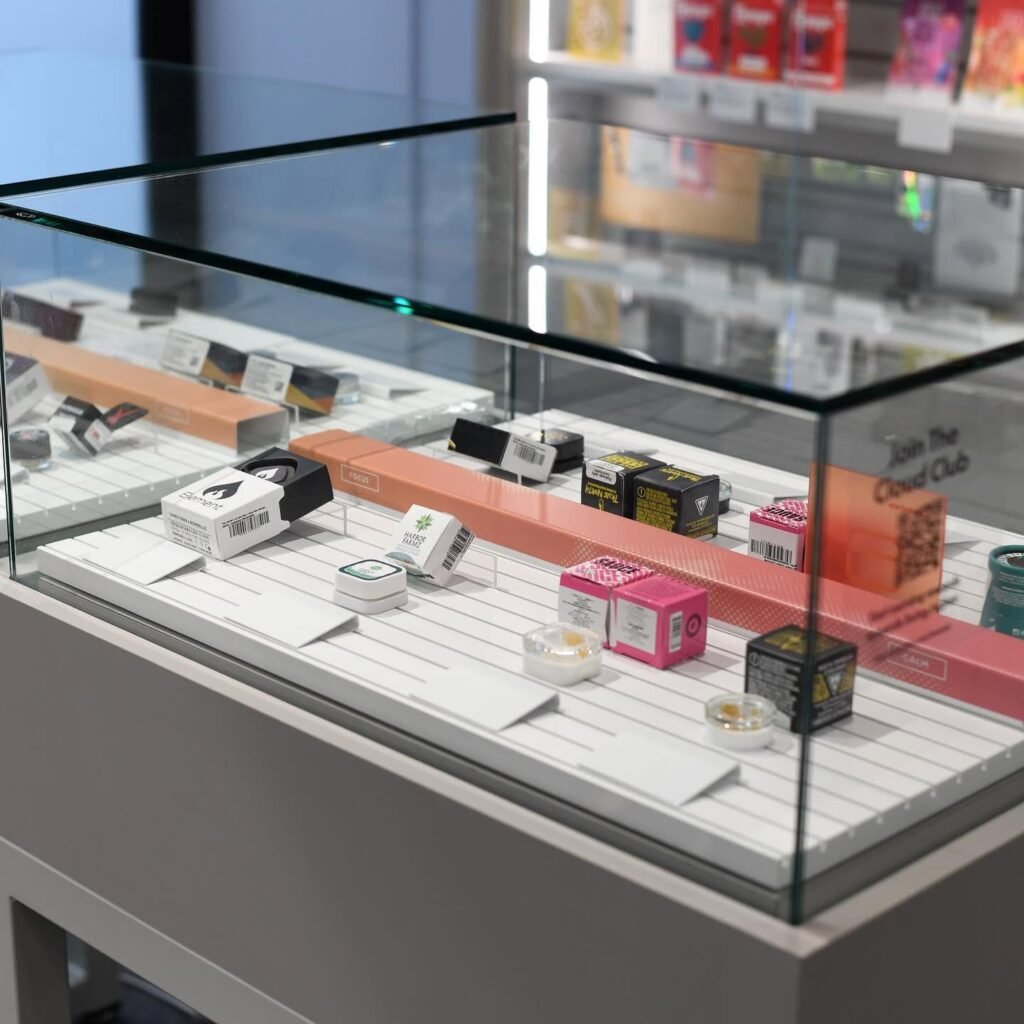
Walk into a dispensary and look at the products on the shelves. Some packages catch your eye straight away, while others barely get noticed. It happens quickly, often before a customer has even checked the product details. That’s where a cannabis branding company can make a real difference. Packaging is not just something that holds a product together. It shapes first impressions, communicates what a brand stands for, and helps customers decide which products deserve a closer look. In a competitive cannabis market, the way a product looks and feels can influence buying decisions more than businesses might expect. But attractive packaging alone isn’t enough. It needs to be practical, clear, compliant, and suited to the people who will actually use the product.
First Impressions Start With the Packaging
Customers often see the package before they know much about the product inside. They may be comparing several options, looking at different price points, or trying to find a brand they recognize. Packaging helps them make sense of those choices.
A clean design with readable text and a clear brand identity can make a product easier to understand. On the other hand, a package crowded with graphics, tiny lettering, and too many colors can leave customers confused. There’s a limit to how much information people want to process while shopping.
This doesn’t mean every cannabis product needs a minimal design. Some brands benefit from bold artwork, unusual illustrations, or strong colors. Others work better with a quieter, more understated look. The important thing is consistency. The design should fit the brand rather than follow whatever packaging trend happens to be popular that month.
Color and Typography Influence Customer Perception
Color has a practical role in packaging design. Dark colors might help a brand create a more restrained appearance, while brighter shades can make certain visual elements stand out. Typography matters just as much. If customers can’t read the product name, potency information, or important warnings, the design isn’t doing its job.
Cannabis businesses need to think carefully about how these elements work together. A package can look interesting on a computer screen but become difficult to read under dispensary lighting or when printed at a smaller size.
Fonts should be legible, the layout should have a clear visual order, and important information shouldn’t disappear beneath decorative elements. Good design gives customers a reason to look closer without making them work too hard to understand what they’re seeing.
Building Trust Through Clear Product Information
Cannabis consumers want to know what they’re buying. Depending on the product and local regulations, they may look for information about cannabinoid content, product type, ingredients, serving size, testing, or usage instructions. Packaging provides an important place for these details.
When information is organized clearly, customers can compare products and make more informed decisions. Confusing labels can have the opposite effect. If someone has to turn a package around several times just to find basic details, they may lose interest.
Trust also comes from honesty. Packaging shouldn’t make unsupported health claims or suggest that a product offers benefits that haven’t been established. Claims about effects, quality, or ingredients need to be accurate and appropriate under applicable laws.
In a regulated industry, clarity is not just a design preference. It is part of responsible product communication.
How Packaging Helps a Cannabis Brand Stand Out
Many cannabis products compete for attention in the same retail environment. If every brand uses similar colors, familiar leaf graphics, and nearly identical layouts, customers can struggle to tell them apart.
A distinctive visual identity gives people something recognizable. That might be a particular illustration style, a memorable logo, an unusual but readable typeface, or a consistent color system across product lines. The goal is to make the brand recognizable without sacrificing clarity.
Packaging should also make sense across different formats. A design that works on a large box may not translate well to a small jar or pouch. Brands need to consider how their identity appears on each package size, not just on the original design mockup.
There is no need to make a package complicated to make it memorable. Sometimes a strong idea, applied consistently, does the job better than a dozen decorative features.
Practical Packaging Matters After the Purchase
Looks may attract a customer, but usability influences the experience after they leave the dispensary. Packaging that is difficult to open, poorly sealed, or awkward to store can frustrate people. That frustration may affect how they view the brand, even if the product itself meets their expectations.
Cannabis packaging also has specific functional responsibilities. Depending on the product and jurisdiction, requirements may include child-resistant features, tamper evidence, product protection, and restrictions on how products are presented. Businesses need to account for these needs from the beginning instead of treating compliance as an afterthought.
Material choice matters as well. The package should help protect product quality while fitting the product’s storage and handling requirements. A design that looks great but fails to protect what is inside isn’t a good design.
Sustainability and Material Choices
Packaging waste is another issue cannabis businesses increasingly need to consider. Customers may pay attention to recyclable materials, reduced excess packaging, or designs that avoid unnecessary components. These choices can influence how people view a company, especially when environmental responsibility is part of its stated values.
Still, sustainable packaging needs to be practical. Cannabis products may require particular barriers, seals, or safety features, and not every material works for every application. A business shouldn’t make broad environmental claims unless it can support them.
The better approach is to examine the entire package, including its protective function, material use, local recycling options, and applicable regulations. Reducing unnecessary waste is worthwhile, but product safety and legal requirements cannot be ignored.
Choosing the Right Design Partner
Creating effective cannabis packaging usually takes more than choosing a logo and picking a color palette. Brands need to consider customer expectations, retail conditions, production costs, packaging materials, and regulatory requirements. This is where experienced Packaging design services can help bring those pieces together into one workable design.
A useful design partner should ask questions before jumping into artwork. Who is the intended customer? Where will the product be sold? What information must appear on the label? Will the design work across multiple formats? These questions help prevent expensive revisions later.
It also helps to review prototypes and printed samples before approving a full production run. Small issues with contrast, label placement, material finish, or readability can become obvious once the design exists in the real world. Better to catch them early.
Conclusion: Packaging Is Part of the Customer Experience
Product packaging influences cannabis consumer choices by shaping first impressions, communicating useful information, building recognition, and making products easier to evaluate. It can help a brand stand out, but only when appearance works alongside functionality and responsible communication.
The strongest packaging doesn’t simply look good on a shelf. It tells customers what they need to know, protects the product, follows applicable regulations, and feels consistent with the brand behind it.
Cannabis businesses don’t need to chase every new design trend to compete. They need a clear identity and packaging that works in practice. Get those fundamentals right, and the package becomes more than a container. It becomes a meaningful part of how customers discover, understand, and remember a product.