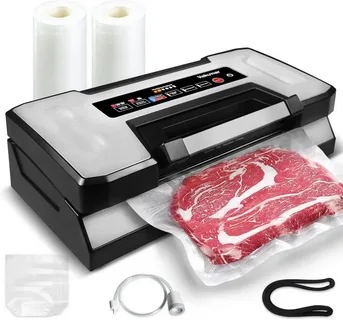
A vacuum food sealer machine serves as a practical tool for preserving food by creating an airtight seal around items. This process removes air, which is a primary factor in food spoilage, and helps maintain the quality, taste, and freshness of various perishable goods. It is widely used for extending the storage life of fruits, vegetables, meats, and other items, making it particularly useful in reducing food waste. Vacuum sealing not only supports efficient food management but also provides an effective method for preparing ingredients for freezing or long-term storage. By minimising exposure to oxygen, it aids in preventing freezer burn and degradation of food quality. These machines are versatile and suitable for home kitchens as well as commercial environments, offering a convenient and effective solution for improving food preservation practices.
Understanding Vacuum Food Sealing Machines
A vacuum food sealing machine operates by extracting air from specially designed bags or containers and securely sealing them to create an airtight environment. This process is facilitated by a powerful vacuum pump, which ensures the removal of oxygen, a key factor in food spoilage. The airtight seal inhibits the growth of bacteria and mould, effectively extending the freshness and shelf life of perishable items. These machines are particularly beneficial for storing a variety of foods, including meats, fruits, and dry goods.
By limiting exposure to air, they also help retain the texture, flavour, and nutritional value of food over time. Some models are equipped with adjustable settings, enabling efficient sealing of both solid and delicate items. Their ability to preserve food quality makes them suitable for both household kitchens and commercial settings.
Benefits of Using a Vacuum Food Sealer
Using a vacuum food sealer offers significant advantages in preserving perishable items. It removes air, which is a key factor in food spoilage, enabling extended storage periods without compromising freshness. This method helps to maintain the original taste, texture, and nutritional value of foods over time, making it particularly beneficial for long-term storage. By minimising food wastage, it provides an efficient way to manage surplus ingredients or leftovers.
Another notable benefit is its ability to save freezer space. Vacuum-sealed packages are more compact, allowing for better organisation in storage areas. Furthermore, vacuum sealing supports portion control by enabling pre-portioned meals or ingredients to be stored individually. This not only simplifies meal preparation but also enhances convenience when retrieving specific items. These benefits collectively make vacuum sealing an effective and practical solution for food preservation.
How Vacuum Food Sealers Preserve Food Quality
Vacuum food sealers help to maintain food quality by reducing exposure to oxygen, which is a primary cause of spoilage. By creating an airtight seal, these machines inhibit the growth of bacteria and mould that thrive in oxygen-rich environments, thereby extending the freshness of stored items. The process also slows down enzymatic reactions and oxidation, which can degrade the texture, flavour, and nutritional content of food.
This method is particularly effective in preserving the integrity of frozen foods, as it reduces the risk of freezer burn. Freezer burn occurs when moisture evaporates from food exposed to air, leading to dry patches and loss of flavour. Additionally, vacuum sealing locks in the natural juices and aromas of food, ensuring that their original quality is retained over longer storage periods. This makes vacuum sealing a reliable choice for maintaining food standards.
Different Types of Vacuum Food Sealers
Vacuum food sealers are categorised into two primary types: external vacuum sealers and chamber vacuum sealers. External vacuum sealers are compact and designed for sealing individual bags by removing air from outside the bag before sealing. They are commonly used in domestic kitchens for their convenience and ease of operation.
Chamber vacuum sealers, by contrast, are designed for more extensive tasks, as the entire bag is placed within the chamber for air extraction and sealing. These machines are ideal for commercial applications due to their ability to handle larger volumes and seal liquids more effectively.
Each type serves specific needs, with external sealers better suited for small-scale use and chamber sealers offering advanced functionality for high-capacity requirements. Their diverse features cater to a variety of preservation tasks, depending on storage needs and operational settings.
Features to Consider in a Food Saver Vacuum Sealer
When evaluating a food saver vacuum sealer, durability is a key consideration, as it ensures long-term reliability and consistent performance. Machines with multiple sealing modes offer greater flexibility for preserving various types of food, from dry to moist items. The inclusion of a pulse function is particularly useful for handling delicate foods without crushing them. Compact designs are advantageous for saving space in smaller kitchens, while a removable drip tray simplifies cleaning.
Noise levels may also be a consideration for those prioritising quieter operation. Some models feature bag storage compartments and built-in cutters, which enhance convenience by enabling customisation of bag sizes. Additionally, machines with clear controls and automatic settings streamline the sealing process, making them suitable for varied preservation tasks.
Suitable Foods for Vacuum Sealing
Vacuum sealing is suitable for preserving a diverse range of foods, ensuring they remain fresh and of high quality for extended periods. Meats, poultry, and seafood benefit greatly from this method as it helps retain their natural juices and flavours. Fresh produce such as fruits and vegetables can also be vacuum sealed to maintain their texture and nutritional value.
Dry goods, including grains, nuts, and coffee, are well-suited to this process, as it protects them from moisture and air exposure. While liquids like soups and sauces can be sealed, pre-freezing is often recommended to prevent spills during the sealing process. Vacuum sealing also works effectively for items such as cheese, herbs, and baked goods, safeguarding them from spoilage and freezer burn.
Steps to Vacuum Seal Food
The process of vacuum sealing food begins with the preparation of the items to be sealed, ensuring they are clean, dry, and portioned appropriately for storage. The selected food is then placed into a suitable vacuum sealing bag, leaving enough space near the open end for an effective seal. The open edge of the bag is positioned within the sealer, ensuring it aligns correctly for air extraction.
Once the machine is activated, air is removed from the bag, creating an airtight environment. Following this, the sealer securely seals the bag, ensuring no air re-enters. For liquid-based foods, pre-freezing may be necessary to prevent spills during the process. This method ensures the contents are preserved for extended storage periods.
Maintenance Tips for Vacuum Food Sealers
Regular care ensures the efficient operation of a vacuum food sealer. Cleaning the sealing strip and vacuum area after each use helps to prevent residue build-up, which can interfere with sealing performance. Inspecting components like gaskets or filters is also essential, as worn-out parts can affect the machine’s functionality.
Storing the sealer in a clean, dry location protects it from dust or moisture damage. Following specific maintenance instructions provided by the manufacturer can further enhance its longevity and reliability.
Comparing Vacuum Food Sealers to Traditional Storage Methods
Vacuum food sealers differ significantly from traditional storage methods such as plastic wrap or airtight containers. Traditional methods often allow some air to remain in contact with food, which can lead to quicker spoilage and reduced quality. In contrast, vacuum sealing removes air entirely, creating an airtight environment that slows down spoilage processes like oxidation and bacterial growth. Foods stored using vacuum sealing also experience less freezer burn compared to those kept in standard packaging.
Additionally, vacuum-sealed packages are more compact, optimising storage space in refrigerators or freezers. These differences make vacuum sealing a more effective option for preserving freshness, texture, and flavour over longer periods, while traditional methods may not provide the same level of protection against deterioration.
Environmental Impact of Using Vacuum Food Sealers
Vacuum food sealers contribute to reducing food waste by prolonging the freshness of perishable items, which helps decrease the amount of discarded spoiled food. This aligns with sustainable consumption practices, as preserving food for longer periods reduces the frequency of waste disposal.
Additionally, many vacuum sealing bags are designed to be reusable, allowing multiple uses before needing replacement. This feature minimises the reliance on single-use plastics and promotes more eco-friendly storage solutions.
By preventing freezer burn and spoilage, vacuum sealing also reduces the need for frequent food repurchasing, indirectly conserving resources used in food production and transportation. The combined effects of waste reduction and reusable materials highlight the potential of vacuum food sealers in supporting environmentally responsible practices.
Common Misconceptions about Vacuum Food Sealers
Some misconceptions surround vacuum food sealers, leading to misunderstandings about their capabilities. A common belief is that they are only effective for dry foods, yet these machines are designed to handle various items, including meats, fresh produce, and pre-frozen liquids.
Another misconception is that vacuum sealing can negatively impact food quality, when in fact it preserves freshness, texture, and nutritional content by reducing exposure to air. Some also assume that vacuum sealers are exclusively for large-scale use, but compact models are widely available, making them suitable for domestic kitchens as well as commercial settings. These machines offer versatile applications in food preservation.
Conclusion
A vacuum food sealer machine is an essential investment for enhancing food preservation, reducing household waste, and optimizing kitchen management across Australia. By extracting atmospheric oxygen and forming a tight, airtight seal, these versatile devices inhibit bacterial growth, prevent freezer burn, and preserve the natural flavours, textures, and nutrients of perishable goods. Whether utilizing compact external sealers for domestic meal preparation or heavy-duty chamber sealers for commercial operations, vacuum sealing dramatically extends food shelf life. Adopting proper sealing techniques and routine machine maintenance ensures long-term operational performance, significant financial savings, and sustainable, eco-friendly food storage practices.
FAQs
How does a vacuum food sealer machine extend food freshness?
A vacuum food sealer machine extracts air from packaging before creating an airtight seal. By removing oxygen, it inhibits the growth of aerobic bacteria, mould, and fungi, while slowing down oxidation and enzymatic degradation. This process preserves food flavor, texture, and nutritional value, extending shelf life up to five times longer across Australia.
What is the difference between external and chamber vacuum sealers?
External vacuum sealers extract air directly from textured bags attached to the outside of the machine, making them ideal for dry foods and domestic kitchens. Chamber vacuum sealers place the entire bag inside an internal chamber to equalize pressure, making them perfect for sealing liquids, high-volume production, and commercial applications across Australia.
Can liquid-based foods be processed using a vacuum sealer?
Yes, liquid-based foods like soups, stews, and sauces can be vacuum sealed. For external sealers, pre-freezing liquids in solid blocks before sealing prevents fluid from entering the vacuum channel. Chamber vacuum sealers, however, can seal liquids directly without pre-freezing by maintaining equalized pressure throughout the extraction process across Australia.
How does vacuum sealing prevent freezer burn on stored produce?
Freezer burn occurs when moisture evaporates from exposed food surfaces in cold environments. Vacuum sealing removes all surrounding air and creates an impermeable barrier over the food item. This prevents moisture loss, dehydration, and ice crystal formation, ensuring frozen meats, seafood, and vegetables retain their quality, texture, and taste across Australia.
Are vacuum sealer bags reusable and environmentally friendly?
Many high-quality vacuum sealer bags are washable, reusable, and recyclable, making them an eco-friendly storage option. Reusing clean bags for dry goods or fresh produce reduces single-use plastic consumption. Additionally, by preventing food spoilage and extending ingredient usability, vacuum sealers significantly minimize organic household waste across Australia.
| Related Business Listings |
| Contact Directory |
| Local Business Profiles |