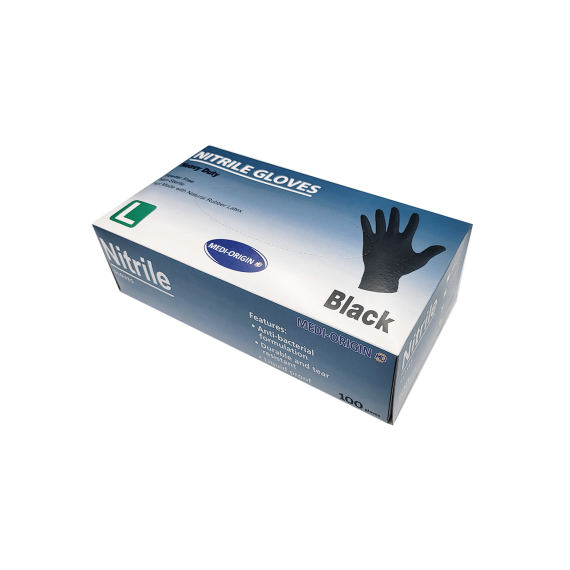
Healthcare PPE suppliers play an important role in helping hospitals, clinics, laboratories, nursing homes, dental practices, and other medical facilities maintain a consistent supply of personal protective equipment. From disposable examination gloves and surgical masks to protective gowns, respirators, and face shields, these suppliers help healthcare organizations obtain products needed for workplace safety and infection prevention.
Choosing a reliable supplier involves more than comparing prices. Healthcare facilities need products that meet their intended use, comply with applicable standards, arrive on schedule, and maintain consistent quality across orders. An unreliable supply chain can create operational difficulties, particularly when essential protective equipment is needed for daily patient care.
As healthcare requirements continue to evolve, purchasing teams must evaluate supplier reliability, product documentation, inventory availability, delivery arrangements, and customer support. Understanding these factors helps organizations make informed purchasing decisions and develop long-term supplier relationships.
This guide explains what healthcare PPE suppliers do, which products they provide, how to evaluate potential partners, and what healthcare organizations should consider when purchasing protective equipment in bulk.
What Are Healthcare PPE Suppliers?
Healthcare PPE suppliers are businesses that provide personal protective equipment to healthcare organizations and related industries. They may operate as manufacturers, authorized distributors, wholesalers, importers, or specialized medical supply companies.
Their role is to make suitable protective products available to healthcare professionals according to the requirements of different clinical and operational environments.
Common products supplied include medical examination gloves, surgical masks, respirators, isolation gowns, protective eyewear, face shields, coveralls, and selected disposable protective accessories.
Some suppliers focus on general medical consumables, while others specialize in particular product categories or serve specific industries, such as dentistry, laboratory research, long-term care, or emergency medical services.
Suppliers may also offer services such as bulk ordering, scheduled deliveries, product documentation, inventory planning, and assistance with product selection.
However, the range of services varies between businesses. Healthcare buyers should verify that a supplier can meet their product, quality, delivery, and regulatory requirements before establishing a purchasing agreement.
Why Reliable Healthcare PPE Suppliers Matter
Maintaining a Consistent Supply
Healthcare facilities depend on protective equipment for routine procedures and specific exposure risks. A shortage of essential items can disrupt daily operations and make it more difficult for staff to follow established safety procedures.
Reliable suppliers help organizations plan replenishment and maintain suitable inventory levels. They may provide information about stock availability, expected delivery times, and alternative products when particular items are unavailable.
Facilities should avoid relying entirely on last-minute purchasing. Establishing reorder points and maintaining appropriate reserve stock can help reduce the risk of interruptions.
Supporting Product Quality
PPE products must be appropriate for their intended use. Gloves, masks, gowns, and respirators have different performance characteristics, and not every product is suitable for every clinical task.
A dependable supplier should provide clear product specifications and relevant documentation. Depending on the product, this may include technical data sheets, conformity information, manufacturer details, and evidence of applicable testing or certification.
Healthcare organizations should assess these documents rather than relying only on marketing terms such as premium quality or medical grade.
Helping Manage Procurement Costs
Purchasing PPE in large quantities can involve significant expenditure, particularly for hospitals and multi-location healthcare businesses.
Reliable suppliers can help purchasing teams compare product options, understand pricing structures, and plan deliveries around expected consumption.
The lowest advertised price is not always the most economical option. Buyers should consider the total cost, including shipping, storage, product performance, potential wastage, and the risk of receiving unsuitable or inconsistent supplies.
Supporting Workplace Safety
Appropriate PPE helps reduce exposure to specific hazards when correctly selected and used.
Suppliers contribute to workplace safety by making suitable products available and providing accurate information about their intended applications.
However, suppliers do not replace a healthcare organization’s responsibility to conduct risk assessments, train employees, establish infection prevention procedures, and ensure that PPE is used correctly.
Types of Products Offered by Healthcare PPE Suppliers
Medical Examination Gloves
<AsyncImage query=”blue nitrile disposable medical examination gloves healthcare supplies product photography” aspectRatio=”5:4″ width=”100%”/>
Disposable examination gloves are among the most frequently purchased healthcare PPE products.
They are available in materials such as nitrile, natural rubber latex, and vinyl. Each material offers different characteristics related to flexibility, fit, durability, and intended use.
Nitrile gloves are a common latex-free option. Latex gloves can provide excellent elasticity and tactile sensitivity for suitable tasks, while vinyl gloves may be appropriate for selected lower-risk applications when they meet the relevant requirements.
Healthcare buyers should verify glove suitability, sizing, and product documentation. Gloves should be changed according to clinical procedures and must not replace hand hygiene.
Surgical Masks and Respirators
<AsyncImage query=”medical surgical masks and N95 filtering facepiece respirators healthcare PPE supplies” aspectRatio=”5:4″ width=”100%”/>
Surgical masks and respirators serve different purposes and should not be treated as interchangeable products.
Surgical masks provide a barrier against droplets and can help control the release of respiratory particles from the wearer, depending on their specifications and intended use.
Respirators, including appropriate N95 models in the United States, are designed to reduce inhalation of airborne particles when correctly selected and fitted.
Healthcare facilities should purchase products that meet applicable standards and follow current infection prevention and occupational safety guidance.
Where tight-fitting respirators are required, fit testing, user seal checks, and training may be necessary.
Protective and Isolation Gowns
<AsyncImage query=”disposable blue medical isolation gowns protective healthcare personal protective equipment” aspectRatio=”5:4″ width=”100%”/>
Protective gowns help cover clothing and exposed skin during tasks where contamination or liquid exposure may occur.
Healthcare PPE suppliers offer different gown designs, materials, and barrier-performance levels. Some are intended for routine isolation precautions, while others may be designed for more demanding exposure conditions.
The correct choice depends on the anticipated exposure, the coverage required, and the applicable standards.
Buyers should review the product’s intended use and tested performance instead of assuming that all disposable gowns offer the same protection.
Face Shields and Protective Eyewear
Face shields and protective eyewear help protect the eyes and, depending on their design, other parts of the face from splashes and sprays.
Goggles generally provide protection around the eyes, while face shields cover a larger area of the face.
These products are commonly used in clinical environments where splash exposure is foreseeable. However, a face shield alone may not provide the same eye protection as properly designed goggles.
Healthcare facilities should choose compatible products according to the risks involved and any requirements for additional PPE.
Protective Coveralls and Accessories
Some suppliers provide protective coveralls, shoe covers, head covers, and other disposable accessories.
These products may be required for selected healthcare procedures, laboratory activities, or controlled environments.
Their suitability depends on material performance, coverage, contamination risks, and the facility’s procedures.
Not every disposable accessory provides a specific protective rating. Buyers should verify the product’s intended application before including it in a PPE purchasing program.
Industries Served by Healthcare PPE Suppliers
Hospitals and Medical Centers
Hospitals require a wide range of PPE across emergency departments, patient wards, operating areas, intensive care units, and specialist services.
Different departments may require different glove specifications, masks, respirators, gowns, and eye protection.
Large facilities often benefit from centralized purchasing and standardized inventory procedures. However, product standardization should account for the different risks associated with individual departments and clinical activities.
Dental Practices
Dental clinics may require examination gloves, masks or respirators, eye protection, protective gowns, and face shields depending on the procedure.
Dental professionals should select equipment according to the anticipated exposure and current infection prevention guidance.
Suppliers serving dental practices should be able to provide products that meet the requirements of the intended dental applications.
Laboratories and Diagnostic Centers
Laboratories handle specimens, reagents, and other materials that may create biological or chemical exposure risks.
The appropriate PPE depends on the type of testing, the materials involved, and the laboratory’s safety procedures.
Some tasks may require standard laboratory gloves and protective clothing, while others need specialized chemical-resistant equipment or additional respiratory protection.
Healthcare buyers should ensure that products are suitable for the specific laboratory environment.
Nursing Homes and Long-Term Care Facilities
Nursing homes and residential care facilities use PPE during personal care, wound care, cleaning, and other activities where exposure may occur.
Maintaining adequate stock helps staff follow infection prevention procedures without unnecessary interruptions.
Facilities should consider consumption rates, storage space, delivery schedules, and the product requirements of different care activities when selecting suppliers.
Home Healthcare Providers
Home healthcare organizations may need portable and conveniently packaged PPE for employees who travel between patients.
Supplier reliability, manageable order quantities, delivery flexibility, and clear product information can be especially important for these businesses.
The equipment selected must still meet the requirements of the task, even when care is delivered outside a traditional healthcare facility.
How to Choose the Best Healthcare PPE Suppliers
Verify Product Documentation
Start by reviewing the products offered and their intended uses.
Ask for technical specifications, manufacturer details, applicable conformity documentation, and evidence of relevant testing or certification.
Regulatory requirements vary by product and country. For example, some products in the United States may fall under FDA requirements, occupational safety regulations, or both, depending on their intended use.
Do not assume that every product sold by a medical supply company has the same regulatory status.
Assess Product Quality and Consistency
Consistency matters when healthcare facilities purchase the same products repeatedly.
Check whether the supplier can maintain stable specifications across orders and communicate any changes to product design, manufacturing source, or packaging.
For important products, buyers may request samples for evaluation before committing to a large order.
Facilities should also establish procedures for reviewing damaged packaging, defective products, or supplies that do not match the agreed specifications.
Compare Pricing and Order Terms
Healthcare PPE suppliers may offer different pricing structures depending on order quantity, product category, delivery arrangements, and contract terms.
Compare equivalent products using the cost per item or unit of use.
Also review minimum order quantities, shipping fees, taxes, payment terms, and policies for returns or damaged goods.
A low price may offer limited value if the product does not meet the facility’s needs or if delivery is unreliable.
Review Stock Availability and Lead Times
Ask suppliers which products they keep in stock and which require advance ordering.
Understand the expected lead time for routine orders and how the supplier handles temporary shortages.
For critical products, healthcare organizations may benefit from maintaining an approved alternative supplier, provided the alternative product meets the required specifications.
Evaluate Delivery and Customer Support
Timely delivery is important when PPE is used every day.
A supplier should communicate order status, delivery estimates, and any unexpected delays clearly.
Responsive customer support can also help purchasing teams resolve issues involving specifications, substitutions, invoicing, or incomplete orders.
Before entering a long-term agreement, review the supplier’s service commitments and escalation procedures.
Consider Supplier Experience
A supplier’s experience serving healthcare organizations can be useful, particularly when products have specific regulatory or technical requirements.
Ask about the types of facilities served, the product categories offered, and the documentation available.
References or relevant customer feedback may provide additional insight, although they should not replace independent verification of product quality and compliance.
Benefits of Buying Healthcare PPE Supplies Wholesale
Potential Savings on Bulk Orders
Wholesale purchasing may reduce the price per unit when compared with smaller orders.
The extent of the savings depends on the product, quantity, supplier, and delivery terms.
Buyers should compare total costs and avoid purchasing excessive quantities simply to qualify for a discount.
Better Inventory Control
Bulk purchasing can help healthcare organizations maintain predictable stock levels.
By reviewing historical usage and expected demand, purchasing teams can calculate reorder points and plan deliveries in advance.
This is particularly helpful for facilities with multiple departments or locations.
More Consistent Product Selection
Working with established suppliers can make it easier to standardize approved PPE products where appropriate.
Consistency can simplify staff training, product evaluation, and inventory management.
However, different tasks may require different protection levels, so a single product should not be used across all applications without a risk assessment.
Fewer Emergency Purchases
Planning purchases around expected demand can reduce the need for urgent orders.
Emergency purchasing may involve higher shipping costs, limited product choice, and difficulty verifying alternatives.
A structured supply plan helps organizations balance regular purchasing with suitable reserve stock.
Healthcare PPE Supplier Checklist
Before selecting a supplier, healthcare purchasing teams should review several important areas.
Confirm that the products meet the intended use and applicable requirements. Review documentation and verify the manufacturer’s identity where appropriate.
Compare prices, minimum order quantities, delivery terms, and stock availability. Check that the supplier can accommodate expected demand without requiring excessive inventory.
Review packaging condition, product shelf-life information where applicable, and storage recommendations.
Finally, establish a process for handling product complaints, delivery problems, and changes in specifications. These measures can help support a more reliable purchasing relationship.
Storage and Inventory Management
PPE should be stored according to the manufacturer’s instructions.
Keep supplies in a clean, dry location protected from excessive heat, direct sunlight, moisture, and substances that may damage packaging or materials.
Maintain products in their original packaging until needed, and inspect packages before distribution.
Where expiration dates apply, use a first-expiring, first-out approach to help prevent stock from expiring unused.
Inventory records should track stock levels, usage, deliveries, and upcoming reorder requirements. This information helps facilities forecast demand and identify shortages before they affect operations.
Damaged or deteriorated PPE should be assessed according to manufacturer guidance and workplace policy before use.
Sustainability and Responsible PPE Purchasing
Disposable PPE supports many healthcare hygiene procedures, but it can also create significant waste.
Many products are made from plastic or composite materials that are difficult to recycle, especially when contaminated.
Healthcare organizations can reduce avoidable waste by forecasting demand accurately, preventing damage during storage, and selecting appropriate products for each task.
Reusable protective equipment may be considered when it is suitable for the application and can be cleaned or reprocessed according to approved procedures.
Environmental considerations should never override the required protection level or lead to the inappropriate reuse of single-use products.
Facilities should follow applicable waste-management requirements and evaluate sustainability alongside safety, hygiene, and regulatory compliance.
Common Mistakes to Avoid When Selecting Healthcare PPE Suppliers
One common mistake is choosing a supplier solely because it offers the lowest price. Product quality, documentation, and delivery reliability are equally important.
Another mistake is assuming that all products within a category provide the same level of protection. A surgical mask and a respirator, for example, serve different purposes.
Healthcare organizations should also avoid ordering excessive quantities without considering storage space, shelf life, and expected usage.
Failing to verify supplier documentation can create compliance and quality concerns. Buyers should confirm the intended use and applicable requirements for each product.
Finally, relying on a single source for every critical product may increase supply-chain risk. Where appropriate, qualified backup suppliers can help organizations manage unexpected shortages.
Conclusion
Healthcare PPE suppliers help healthcare organizations obtain the protective equipment needed for patient care, workplace safety, and infection prevention procedures.
From examination gloves and surgical masks to respirators, gowns, face shields, and protective coveralls, each product serves a different purpose. Healthcare facilities must select equipment according to the task, anticipated exposure, and applicable standards.
The best supplier is not necessarily the one with the lowest price. Product quality, documentation, stock availability, delivery reliability, and customer support all contribute to long-term value.
By evaluating suppliers carefully, planning purchases around actual demand, and maintaining suitable storage and inventory procedures, healthcare organizations can build a more dependable PPE supply system.
Frequently Asked Questions
1. What do healthcare PPE suppliers provide?
Healthcare PPE suppliers provide protective products such as medical gloves, surgical masks, respirators, isolation gowns, face shields, protective eyewear, and selected coveralls and accessories.
2. How can I choose reliable healthcare PPE suppliers?
Review product documentation, applicable certifications, supplier experience, pricing, stock availability, delivery schedules, and customer support. Verify that each product meets the requirements of its intended use.
3. Can healthcare facilities buy PPE wholesale?
Yes. Many suppliers offer wholesale quantities for hospitals, clinics, laboratories, nursing homes, and other healthcare organizations. Bulk purchasing can improve stock planning and may reduce unit costs.
4. What is the difference between medical masks and respirators?
Medical masks are generally designed for droplet barrier protection and source control, depending on their specifications. Respirators are designed to reduce inhalation of airborne particles when properly selected and fitted.
5. What documents should healthcare PPE suppliers provide?
Depending on the product, buyers may need technical data sheets, manufacturer details, conformity documentation, applicable testing information, and evidence of required regulatory status.
6. How should healthcare PPE supplies be stored?
Store PPE in a clean, dry environment according to the manufacturer’s instructions. Protect it from excessive heat, sunlight, moisture, and packaging damage, and monitor expiration dates where applicable.
7. Why is bulk purchasing useful for healthcare facilities?
Bulk purchasing can help maintain stock availability, reduce repeat ordering, and potentially lower unit costs. Quantities should still reflect actual demand, storage capacity, and product shelf life.
8. Are all healthcare PPE products suitable for every medical procedure?
No. Different products provide different levels and types of protection. Facilities should conduct risk assessments and select equipment according to the task, exposure, and applicable safety guidance.
9. Should healthcare organizations work with more than one PPE supplier?
For critical products, maintaining a qualified backup supplier can help reduce the risk of shortages. Any alternative products should be checked to ensure they meet the required specifications.
10. How can healthcare organizations reduce PPE waste?
They can forecast demand accurately, store supplies properly, prevent avoidable damage, and consider suitable reusable products where permitted. Safety and infection prevention requirements must remain the priority.