AC vents repairs help restore proper airflow, improve indoor comfort, and keep your air conditioning system working as intended. When air conditioning vents become damaged, blocked, loose, or poorly connected, your cooling system may struggle to distribute air evenly throughout your property. You might notice warm rooms, weak airflow, unusual noises, or air leaking around vent covers.
These problems can affect homes, apartments, offices, retail stores, and other commercial buildings. Although some vent issues require simple cleaning or adjustment, others may indicate damaged ductwork, insulation problems, or an underlying air conditioning fault.
Understanding the cause is important because replacing a vent cover will not solve every airflow problem. A proper inspection helps identify the issue and determine whether the vent, ductwork, or another system component needs attention.
This guide explains common air conditioning vent problems, available repair options, warning signs to watch for, and practical maintenance tips. Whether you need to repair a ceiling vent, fix a wall-mounted outlet, or investigate uneven cooling, these recommendations will help you make informed decisions.
What Are AC Vents and Why Do They Matter?
Air conditioning vents are openings that allow conditioned air to enter a room or return air to the cooling system. Their design and location depend on the type of air conditioning system installed in the building.
Supply vents deliver cooled air into living spaces, while return vents allow indoor air to travel back to the system for conditioning. Some properties use ceiling vents connected to ducted air conditioning, while others have wall-mounted grilles or floor outlets.
Each vent plays a role in the system’s overall airflow. When a vent becomes damaged or obstructed, it can affect air distribution and indoor comfort.
For example, a loose ceiling grille may produce rattling noises, while a disconnected duct can allow conditioned air to escape into a ceiling cavity. A blocked return vent may also restrict airflow and affect system performance.
Professional AC vents repairs focus on identifying these problems and restoring the proper operation of the affected components.
Common Signs You Need AC Vents Repairs
Air conditioning vent problems can develop gradually. Recognising the early warning signs helps you address faults before they cause ongoing discomfort or unnecessary energy use.
Weak Airflow From AC Vents
Weak airflow is one of the most common reasons homeowners investigate vent repairs. You may notice that the air coming from one vent feels weaker than the airflow from other rooms.
Several factors can cause this problem, including dust accumulation, blocked grilles, closed dampers, damaged ductwork, or a malfunctioning air conditioning system.
Start by checking whether the vent is fully open and whether furniture or curtains obstruct the airflow. If the problem continues, a technician can inspect the vent and the connected ductwork.
Weak airflow across several rooms may indicate a broader system issue rather than a problem with one vent.
Uneven Cooling Between Rooms
Some rooms may feel comfortable while others remain warm, even when the air conditioner runs continuously.
Uneven cooling can occur when vents distribute air poorly, ducts leak, dampers are incorrectly adjusted, or the system cannot meet the building’s cooling demand.
Room orientation, insulation, sunlight exposure, and ceiling height can also affect temperatures.
A professional assessment can help determine whether vent adjustments, duct repairs, airflow balancing, or other air conditioning work would provide the best solution.
Rattling or Whistling Noises
Unusual noises around air conditioning vents may indicate loose fittings, vibrating grilles, airflow restrictions, or excessive air pressure.
A rattling sound may come from a poorly secured vent cover. Whistling can occur when air passes through a narrow opening or an improperly adjusted damper.
Do not assume that every noise means the air conditioner needs replacing. Identifying the exact source can prevent unnecessary repairs and help restore quieter operation.
Air Leaking Around Vent Covers
If you feel air escaping around the edges of a ceiling or wall vent, the grille may not fit correctly. Loose mounting points, damaged seals, or gaps around the opening can contribute to the problem.
However, air escaping from the vent itself may be normal when the system operates. The concern is unwanted leakage around the fitting or from damaged duct connections.
A technician can inspect the mounting, seal suitable gaps, and check whether the connected ductwork remains secure.
Dust Around Air Conditioning Vents
Dust accumulating around vent edges may result from normal indoor dust, dirty grilles, air leakage, or inadequate filtration.
A dirty vent cover does not automatically mean the ductwork needs professional cleaning. However, persistent dust buildup combined with weak airflow or unusual odours may justify a closer inspection.
Clean accessible vent covers according to the manufacturer’s instructions and replace air filters at the recommended intervals.
What Causes Air Conditioning Vent Problems?
Understanding the underlying cause helps you choose the correct repair instead of repeatedly addressing the same symptoms.
Dust and Debris Accumulation
Dust, pet hair, and other airborne particles can collect on vent covers over time. Heavy buildup may restrict airflow, particularly when the opening is already narrow.
Return air grilles can collect substantial dust because they draw indoor air toward the air conditioning system.
Regular cleaning helps maintain airflow, but avoid pushing debris into the ductwork. If you notice heavy contamination or persistent restrictions, arrange a professional assessment.
Damaged or Disconnected Ductwork
Ducted air conditioning systems rely on connected ducts to distribute conditioned air around a property. A damaged, crushed, or disconnected section can reduce airflow to certain rooms.
Leaks may also allow cooled air to escape into roof spaces, wall cavities, or other unintended areas.
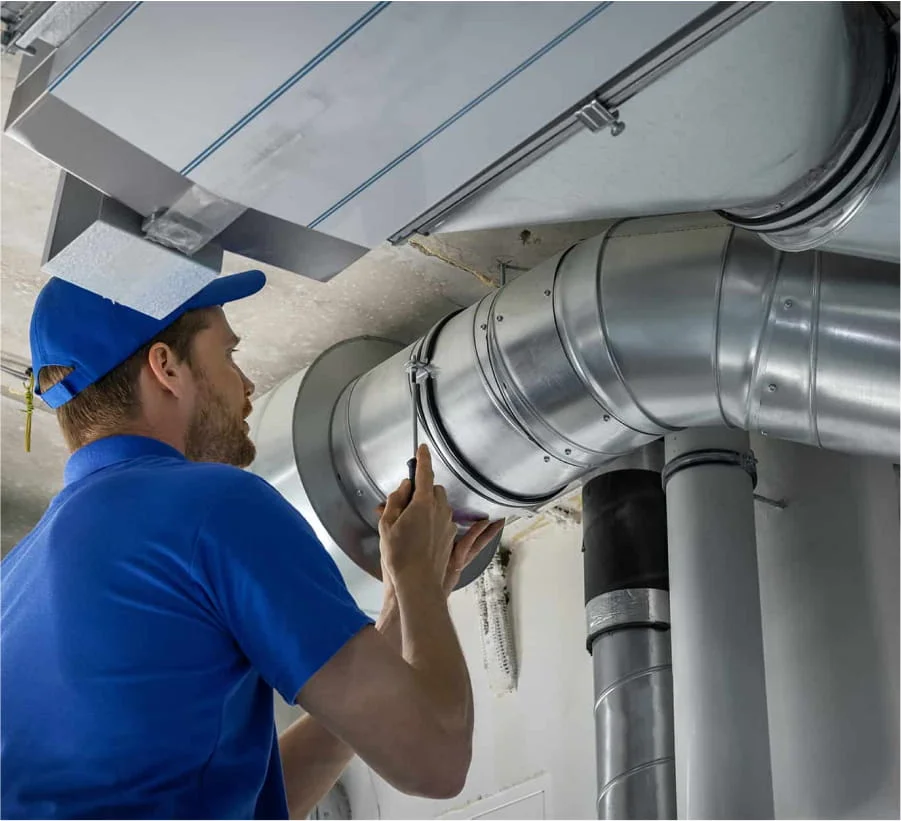
A technician can inspect accessible ductwork, repair connections, replace damaged sections, and check the system after completing the work.
Loose or Broken Vent Grilles
Vent grilles can become loose because of ageing materials, damaged clips, poor installation, or repeated removal during cleaning.
A cracked grille may rattle when air passes through it. Damaged mounting points can also prevent the cover from sitting securely against the ceiling or wall.
Depending on the damage, the repair may involve tightening the fitting, replacing mounting components, or installing a compatible grille.
Incorrect Vent Size or Placement
A vent that does not suit the system’s airflow requirements may create noise, poor air distribution, or uncomfortable draughts.
Vent placement also affects how conditioned air reaches different parts of a room. Furniture, curtains, and architectural features can further influence airflow.
A qualified technician can assess whether the vent size, position, or design contributes to the problem and recommend an appropriate adjustment.
Air Conditioning System Faults
Sometimes, the vent itself works correctly, but the air conditioning system cannot deliver enough air.
Dirty filters, fan problems, coil restrictions, control faults, and other mechanical issues can affect airflow. These problems require system-level diagnosis rather than vent repairs alone.
If several vents experience weak airflow simultaneously, ask a technician to inspect the broader system before replacing individual grilles.
Types of AC Vents Repairs
The right repair depends on the vent’s design, the nature of the damage, and the type of air conditioning system installed.
Ceiling AC Vent Repairs
Ceiling vents are common in ducted air conditioning systems. They distribute conditioned air through openings connected to ceiling-mounted ductwork.
Common problems include loose grilles, damaged clips, restricted airflow, and disconnected ducts.
A technician may secure the grille, replace damaged components, inspect the connected duct, or check the airflow reaching the room.
If the vent sits unevenly against the ceiling, the technician should also check the mounting and surrounding material before completing the repair.
Wall AC Vent Repairs
Wall vents may appear in residential and commercial buildings with different air conditioning arrangements.
They can develop loose fittings, cracked covers, damaged mounting points, or airflow problems caused by obstructions.
Repairs may involve cleaning, replacing the grille, securing the opening, or investigating the connected air passage.
The replacement component should match the system’s requirements and allow the intended amount of air to pass through.
Floor AC Vent Repairs
Some properties use floor vents to distribute conditioned air. These vents may collect dust, debris, and small objects because of their position.
Heavy furniture can also obstruct airflow or damage the grille.
Repairs may involve replacing a bent cover, securing the fitting, removing obstructions, or inspecting the duct below the opening.
Avoid placing heavy objects directly on floor grilles unless the product is designed to support that load.
Return Air Vent Repairs
Return vents allow indoor air to travel back to the air conditioning system. They are important because the system needs an appropriate return airflow to operate effectively.
A blocked return grille, damaged fitting, or restricted return duct can affect system performance.
A technician can inspect the grille, check for obstructions, and assess whether the return pathway provides adequate airflow.
Never cover a return air vent with furniture, curtains, or decorative panels that significantly restrict air movement.
Ducted AC Vent Repairs
Ducted systems contain multiple components that work together to distribute conditioned air.
Problems may involve damaged duct sections, loose joints, crushed flexible ducts, poorly sealed connections, or incorrectly adjusted dampers.
Professional repairs may include resealing joints, replacing damaged ductwork, securing connections, and testing airflow after the work.
If the problem affects several rooms, a broader duct and system inspection may be more effective than repairing individual vents separately.
How Professional AC Vents Repairs Work
A structured repair process helps identify the source of the fault and ensures that the selected solution addresses the actual problem.
Initial Inspection
The technician begins by discussing the symptoms you have noticed. These may include weak airflow, unusual noises, uneven cooling, visible damage, or air leakage.
They then inspect the affected vents and accessible components. Depending on the system, this may include grilles, dampers, duct connections, filters, and other relevant parts.
The inspection helps determine whether the problem originates at the vent or elsewhere in the air conditioning system.
Fault Diagnosis
After the initial inspection, the technician investigates the likely cause.
For example, a loose grille may require a simple adjustment, while weak airflow could indicate a duct restriction or mechanical fault.
Where necessary, the technician may check airflow, inspect duct connections, or recommend further testing.
Correct diagnosis is important because replacing a damaged grille will not resolve a blocked duct or faulty fan.
Repair Recommendations
Once the cause becomes clear, the technician explains the available options.
These may include cleaning, securing fittings, replacing a vent cover, repairing ductwork, or investigating another system component.
The recommendation should consider the extent of the damage, compatibility with the existing system, access requirements, and expected performance after the repair.
Repair and Testing
After you approve the work, the technician completes the agreed repairs.
They should then check that the repaired vent is secure and that the affected system operates as intended.
Depending on the fault, testing may include checking airflow, listening for unusual noises, or confirming that the duct connection remains secure.
If the problem continues, additional diagnosis may be necessary.
DIY AC Vents Repairs vs Professional Services
Some basic maintenance tasks are suitable for homeowners. However, problems involving concealed ductwork, electrical components, or difficult access require greater care.
Cleaning an accessible grille is usually straightforward when you follow the manufacturer’s instructions. Tightening a simple fitting may also be possible if you can reach it safely without damaging the surrounding surface.
More complex work should be left to an appropriately qualified professional.
Electrical repairs to powered ventilation equipment should be completed by a licensed electrician where required. Roof cavities, elevated ceilings, and concealed services can also create safety risks.
Avoid using tape or improvised materials to cover significant duct damage without understanding the problem. Such temporary fixes may fail to provide a secure, durable, or suitable repair.
Professional AC vents repairs are particularly useful when several rooms experience airflow problems, ductwork appears damaged, or repeated DIY attempts fail to resolve the issue.
How Much Do AC Vents Repairs Cost?
The cost of AC vents repairs depends on the type of vent, the extent of the damage, the accessibility of the affected area, and whether replacement parts are required.
A loose grille may need only a minor adjustment, while damaged ductwork inside a ceiling cavity can require additional labour and materials.
The following factors commonly influence the final price.
Type of Repair
Cleaning a vent or tightening a fitting usually involves less work than repairing a duct connection or replacing a damaged mechanical component.
The technician should explain whether the problem requires a local repair or a broader investigation.
Accessibility
A vent that is easy to reach may require less labour than one located in a high ceiling or difficult roof space.
Restricted access can increase the time needed to inspect, repair, and test the affected components.
Replacement Materials
The cost may increase if the job requires a new grille, mounting clips, dampers, seals, or duct sections.
The replacement parts should be compatible with the existing system and appropriate for the intended airflow.
Additional System Problems
If the vent problem results from a faulty fan, damaged ductwork, or another air conditioning fault, the repair may involve additional work.
Request a written quotation that outlines the inspection, labour, parts, and any potential extra charges before approving the job.
Benefits of Timely AC Vents Repairs
Repairing damaged vents promptly can improve comfort and help maintain the intended operation of your air conditioning system.
More Consistent Airflow
A secure, unobstructed vent helps conditioned air reach the intended room. Correcting damaged fittings or duct restrictions may reduce differences in airflow between spaces.
However, room temperature differences can also result from insulation, sunlight, system sizing, and other building conditions.
Reduced Air Leakage
Repairing suitable duct connections and sealing unintended gaps can help reduce conditioned air escaping into unwanted spaces.
The potential benefit depends on the location and severity of the leakage.
Quieter Operation
Loose grilles, vibrating fittings, and airflow restrictions can produce irritating noises.
Identifying and correcting the source may help reduce rattling, whistling, or vibration during operation.
Better System Maintenance
Vent repairs provide an opportunity to identify other visible issues, such as dust buildup, damaged fittings, or poorly secured duct connections.
Addressing these problems can support routine air conditioning maintenance and reduce the likelihood of recurring faults.
How to Maintain Your AC Vents
Regular maintenance helps keep vents clean, secure, and free from obvious obstructions.
Clean accessible grilles periodically, following the manufacturer’s instructions. Turn off the equipment when necessary and avoid allowing water or cleaning products to enter electrical components.
Check that furniture, curtains, and decorative items do not obstruct supply or return vents. Keep an eye out for loose covers, unusual noises, and changes in airflow.
Replace or clean air filters according to the system manufacturer’s recommendations. A dirty filter can restrict airflow and affect the operation of the wider air conditioning system.
If you notice persistent warm rooms, unusual smells, or weak airflow, arrange an inspection instead of repeatedly adjusting the vent without identifying the cause.
Regular professional servicing may also help identify duct damage, mechanical faults, and other problems that routine surface cleaning cannot resolve.
Frequently Asked Questions About AC Vents Repairs
1. How do I know if my AC vents need repairs?
Common signs include weak airflow, rattling noises, loose grilles, visible damage, and uneven cooling between rooms. Air leaking around a vent cover may also indicate a fitting or sealing problem. An inspection can help identify the cause.
2. Why is my air conditioner blowing weakly through the vents?
Weak airflow may result from dirty filters, blocked grilles, closed dampers, damaged ductwork, or a mechanical fault. Check accessible vents and filters according to the manufacturer’s instructions. If the problem continues, arrange a professional assessment.
3. Can damaged AC vents increase energy costs?
Damaged vents or leaking ductwork may reduce system efficiency and cause the air conditioner to work harder to maintain comfortable temperatures. However, energy use also depends on system condition, insulation, thermostat settings, and outdoor temperatures.
4. Should I repair or replace a damaged AC vent?
The decision depends on the type and extent of damage. A loose grille or minor fitting problem may need only a repair. A severely cracked vent, incompatible component, or extensively damaged duct section may require replacement.
5. Why does my AC vent make a whistling noise?
Whistling may occur when air passes through a restricted opening or when a damper or grille creates excessive turbulence. It can also indicate a pressure imbalance or another airflow issue. A technician can investigate the source and recommend an appropriate solution.
6. Can I repair AC vents myself?
You can usually clean accessible grilles and remove simple obstructions safely. However, concealed ductwork, electrical components, difficult ceiling access, and persistent airflow faults require professional assessment. Follow manufacturer instructions and avoid unsafe repairs.
7. How often should AC vents be cleaned?
Cleaning frequency depends on dust levels, pets, system use, and the manufacturer’s recommendations. Inspect accessible grilles periodically and clean them when dust accumulates. Replace or clean system filters according to the specified maintenance schedule.
8. Do AC vents repairs improve cooling?
Repairs can improve cooling when damaged vents, loose connections, or airflow restrictions cause the problem. However, if the underlying issue involves system capacity, insulation, or a mechanical fault, additional work may be necessary.
Conclusion
AC vents repairs play an important role in maintaining proper airflow, comfortable indoor temperatures, and reliable air conditioning performance. Loose grilles, blocked openings, damaged ductwork, and faulty connections can all affect how effectively a system distributes conditioned air.
The best solution begins with identifying the actual cause of the problem. Simple cleaning may resolve minor restrictions, while damaged fittings, leaking ducts, and mechanical faults may require professional attention.
Regular maintenance also helps prevent recurring problems. Keep accessible vents clean, avoid blocking airflow, maintain filters, and investigate unusual noises or changes in cooling performance.
Whether you need to repair a ceiling vent, secure a wall grille, or investigate weak airflow throughout your property, timely action can help prevent minor issues from becoming more disruptive.
If your air conditioning vents show visible damage or fail to distribute air properly, arrange an inspection with a suitable technician. A correct diagnosis and quality repair can help restore airflow and support the long-term performance of your air conditioning system.