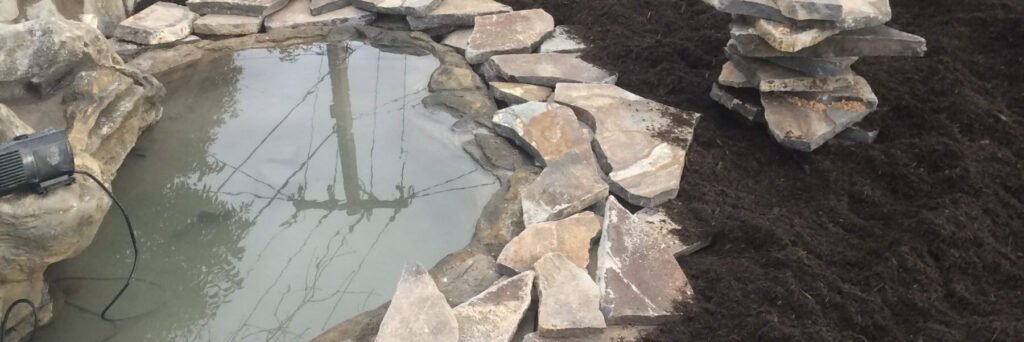
A well-designed outdoor space brings together attractive landscaping, practical pathways and durable paved surfaces. Whether improving a residential garden, upgrading a driveway or creating an inviting commercial courtyard, the right combination of materials and thoughtful planning can make a property more functional and appealing. Property owners researching JPB Group landscaping and outdoor improvement ideas should also understand how quality paving contributes to the overall landscape design. In Canberra, changing seasonal conditions and different soil characteristics make suitable material selection and professional installation particularly important.
Paving is more than a decorative feature. It provides access between different areas, creates usable outdoor living spaces and helps organise a landscape. From concrete driveways to natural stone patios, the right paving solution should complement the property while meeting its everyday requirements.
Choosing the Right Paving Materials
Different paving materials offer distinct advantages in terms of appearance, durability and maintenance. The best choice depends on the intended application, surrounding landscape and expected level of use.
Concrete Pavers for Versatile Outdoor Areas
Concrete pavers are widely used for residential driveways, patios, garden pathways and commercial walkways. They come in various colours, shapes, sizes and textures, making them suitable for different architectural styles.
Their consistent dimensions allow installers to create organised patterns across large surfaces. They are also available in options designed for different traffic requirements. For driveways, selecting pavers with suitable thickness and strength is essential.
Clay Pavers for Traditional Landscaping
Clay pavers provide a warm, natural appearance that works well with traditional Australian homes, brick buildings and established gardens. Their colour variations can add character to courtyards, pathways and outdoor entertainment areas.
They are a practical option for property owners who prefer a classic finish. Regular cleaning and appropriate joint maintenance help preserve their appearance.
Natural Stone Pavers for Elegant Finishes
Natural stone offers a distinctive appearance because each piece has its own texture, pattern and colour characteristics. Sandstone, granite, limestone and travertine are popular choices for garden paths, patios and outdoor living areas.
Before choosing a natural stone, consider its porosity, slip resistance and suitability for outdoor exposure. Some varieties may require sealing or specialised cleaning to maintain their condition.
Cobblestone Pavers for Character
Cobblestone paving creates a traditional appearance that complements heritage-inspired properties and landscaped gardens. It can be used for decorative driveways, pathways and courtyards.
The individual stones can be arranged in different patterns, creating visual interest. A stable foundation and properly installed joints are important to prevent movement and unevenness.
Permeable Pavers for Better Drainage
Permeable pavers allow water to pass through joints or purpose-designed openings into an underlying aggregate system. They can help manage stormwater runoff and reduce surface pooling in suitable locations.
These systems may be appropriate for selected driveways, garden pathways and landscaped areas. Their effectiveness depends on suitable soil conditions, correct installation and regular maintenance to prevent sediment build-up.
How Paving Complements Landscape Design
Paving and landscaping should be planned together to create a balanced outdoor environment. Pathways connect different garden areas, while paved patios provide practical spaces for dining, relaxing and entertaining.
For example, a garden pathway can connect the front entrance with the backyard, while a paved sitting area can create a clear boundary between the lawn and garden beds.
When considering JPB Group landscaping concepts or any broader outdoor improvement project, it is useful to think about how paving will interact with plants, trees, lawn areas and existing structures.
The colour and texture of pavers should complement surrounding materials. Property owners should also leave enough room for plants to grow and ensure that paved surfaces do not interfere with natural water movement.
The Importance of Proper Paver Installation
The durability of a paved surface depends heavily on the preparation work beneath it. Even high-quality pavers can become unstable when installed over an unsuitable foundation.
The first stage is excavation. Existing soil, vegetation and unsuitable materials must be removed to the required depth. The excavation depth depends on soil conditions, the paving material and expected pedestrian or vehicle traffic.
After excavation, a suitable base material is spread in controlled layers. Each layer must be compacted properly to create a firm foundation and minimise future settlement.
A consistent bedding layer is then prepared before the pavers are positioned. Accurate alignment, spacing and surface levels help achieve an attractive and stable finish.
Drainage is equally important. Paved areas should have suitable gradients to direct rainwater away from buildings and prevent water from collecting in low spots. Poor drainage can contribute to erosion, foundation movement and premature paving damage.
Residential and Commercial Paving Applications
Residential paving projects often focus on improving outdoor living areas and garden accessibility. Common applications include driveways, patios, garden pathways, pool surrounds and entertaining spaces.
Homeowners should consider how each area will be used. A driveway needs pavers that can support vehicle loads, whereas a garden path may place greater emphasis on appearance, comfort and integration with surrounding plants.
Commercial paving projects have different requirements. Office entrances, business courtyards, retail walkways and shared access areas may experience frequent pedestrian traffic.
These spaces need materials that can withstand regular use while maintaining a safe and professional appearance. Accessibility, slip resistance, load capacity and maintenance requirements should all influence the design.
Common Paving Problems and Their Repairs
Paved surfaces can develop problems over time due to weather exposure, heavy traffic, ground movement or inadequate installation.
Loose pavers: Individual units may become loose when bedding material shifts or jointing deteriorates. The affected pavers should be lifted, the underlying foundation inspected and the units reset correctly.
Uneven surfaces: Sunken or raised sections can create trip hazards and affect drainage. These issues may indicate poor compaction, soil settlement or water erosion beneath the paving.
Cracked pavers: Cracks can result from impact damage, excessive loading or unsuitable materials. Damaged units should be replaced, and nearby sections should be checked for underlying problems.
Weed growth: Weeds can develop between pavers when joints deteriorate or gaps appear. Removing unwanted growth and replenishing suitable jointing material helps maintain a tidy surface.
Water pooling: Standing water may indicate poor surface gradients or blocked drainage. Identifying the underlying cause is important before repairs are completed.
Addressing minor issues early can help prevent more extensive damage and unnecessary restoration work.
Maintaining Paved Areas Throughout the Year
Regular maintenance helps preserve the appearance and performance of paved surfaces. Sweeping away leaves, dirt and other debris prevents material from accumulating between joints.
Occasional cleaning can remove stubborn grime, but always use products suitable for the paving material. Avoid harsh chemicals and excessive pressure washing, particularly on delicate natural stone surfaces.
Inspect driveways, patios and pathways periodically for cracks, loose units and drainage concerns. Replacing damaged pavers and restoring jointing material when necessary helps maintain surface stability.
Natural stone may need additional care depending on its characteristics. Where sealing is recommended, follow the manufacturer’s instructions and select an appropriate product.
For recurring problems or extensive damage, professional assessment can help establish whether localised repairs or more substantial foundation work is required.
Improving Long-Term Paving Durability
Durable paving begins with selecting materials that suit the property’s location and intended use. A decorative garden path has different requirements from a vehicle driveway or a busy commercial entrance.
Professional installation helps bring together material selection, excavation, base preparation, compaction and drainage. It also allows potential site challenges to be identified before construction begins.
Cutting corners during groundwork can lead to uneven surfaces, loose pavers and recurring repairs. Careful planning and appropriate installation methods provide a more reliable foundation for long-term performance.
Conclusion
Creating attractive outdoor spaces in Canberra requires a balance between landscaping, suitable paving materials and practical construction. Concrete, clay, natural stone, cobblestone and permeable pavers each offer different benefits for residential and commercial properties.
By planning the landscape carefully, preparing the ground properly and maintaining paved surfaces regularly, property owners can create outdoor areas that remain functional and attractive. Good material selection and professional workmanship are essential for achieving paving that complements the surrounding landscape and supports everyday use.